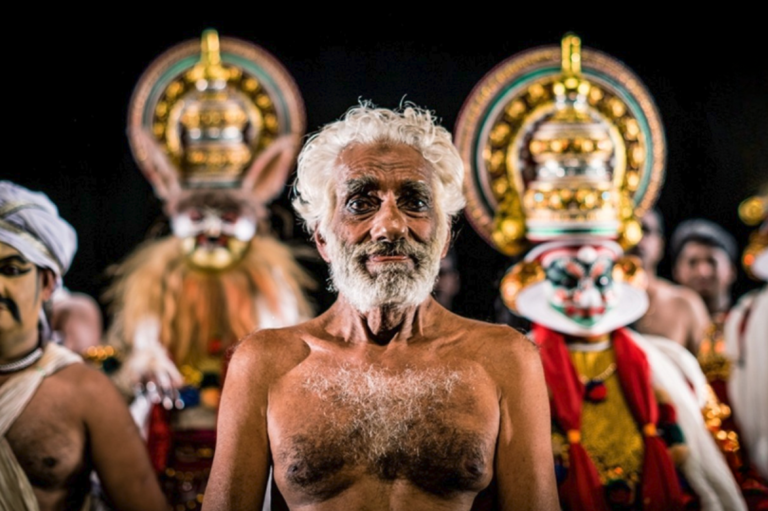
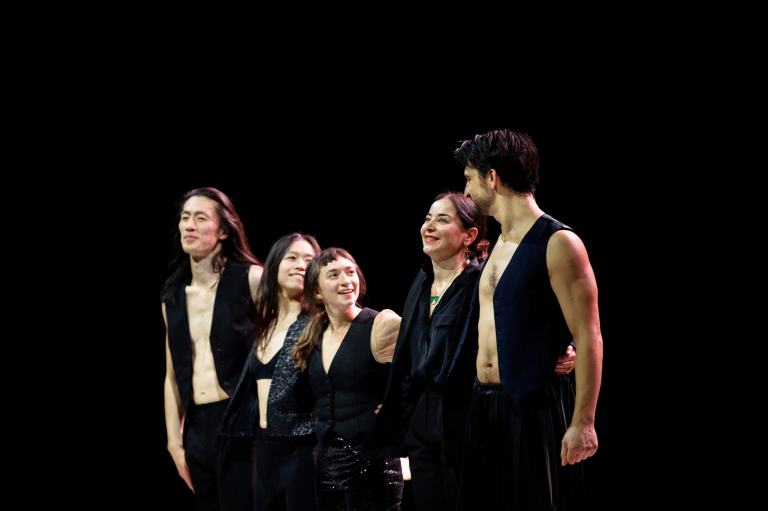
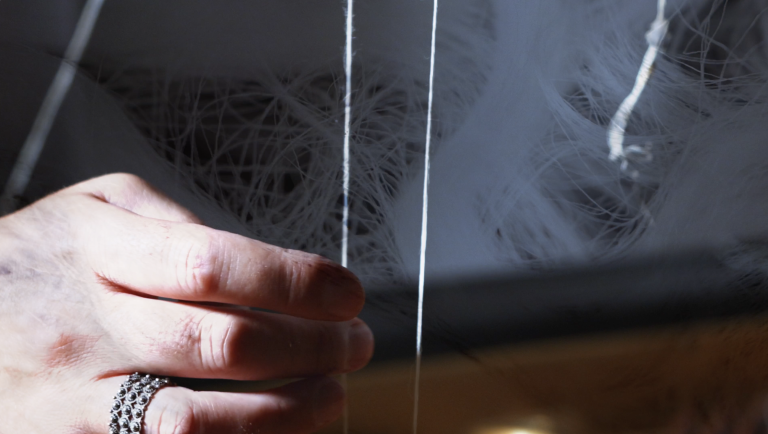
WE SPEAK WITH FILM DIRECTOR LUIS CUENCA CASTRO ABOUT HIS JOURNEY ACROSS CHINA, WHERE HE CAPTURED THE EVERYDAY RITUALS AND TRADITIONS OF ITS MANY PEOPLES AND CULTURES FOR HIS LATEST WORK, CHINA 354, PRESENTED AT THE ASIA-EUROPE CULTURAL FESTIVAL 2025.
1.As a filmmaker and experimental visual artist, what sort of subjects and moments catch your attention and compel you to create art?
I’m drawn to the ephemeral , gestures, rituals, and fragments of daily life that might otherwise vanish unnoticed. I seek out moments that resist categorization: a grandmother sweeping her doorstep at dawn, the flicker of neon against fog, the silence between two strangers on a train. These micro-events carry the weight of entire histories. I’m compelled by what’s overlooked, by the poetry embedded in the mundane. My work often begins with a question: what does it mean to witness? And how can witnessing become a form of devotion?
2. CHINA354 has been exhibited in prominent museums worldwide as an immersive installation, featuring dozens of 1-minute clips playing simultaneously across multiple screens, allowing viewers to move freely and engage with the work in a non-linear manner. For the Asia-Europe Cultural Festival 2025, however, the project will be presented in its film-documentary format, weaving these clips into a continuous narrative. How do you think this shift , from a spatial, fragmented experience to a linear cinematic journey , will influence the way audiences perceive the message and emotional depth of your work?
The installation invites wandering , it’s a pilgrimage through simultaneity, where viewers construct their own temporal paths. The film format, by contrast, offers a guided journey, a rhythm shaped by montage and breath. This shift doesn’t dilute the emotional depth; it reframes it. In the linear version, the viewer is held, there’s a pulse, a continuity that allows for accumulation and reflection. It’s less about choosing your own thread and more about surrendering to the weave. I believe both formats honor the work’s essence: the tension between chaos and order, between the fleeting and the eternal.
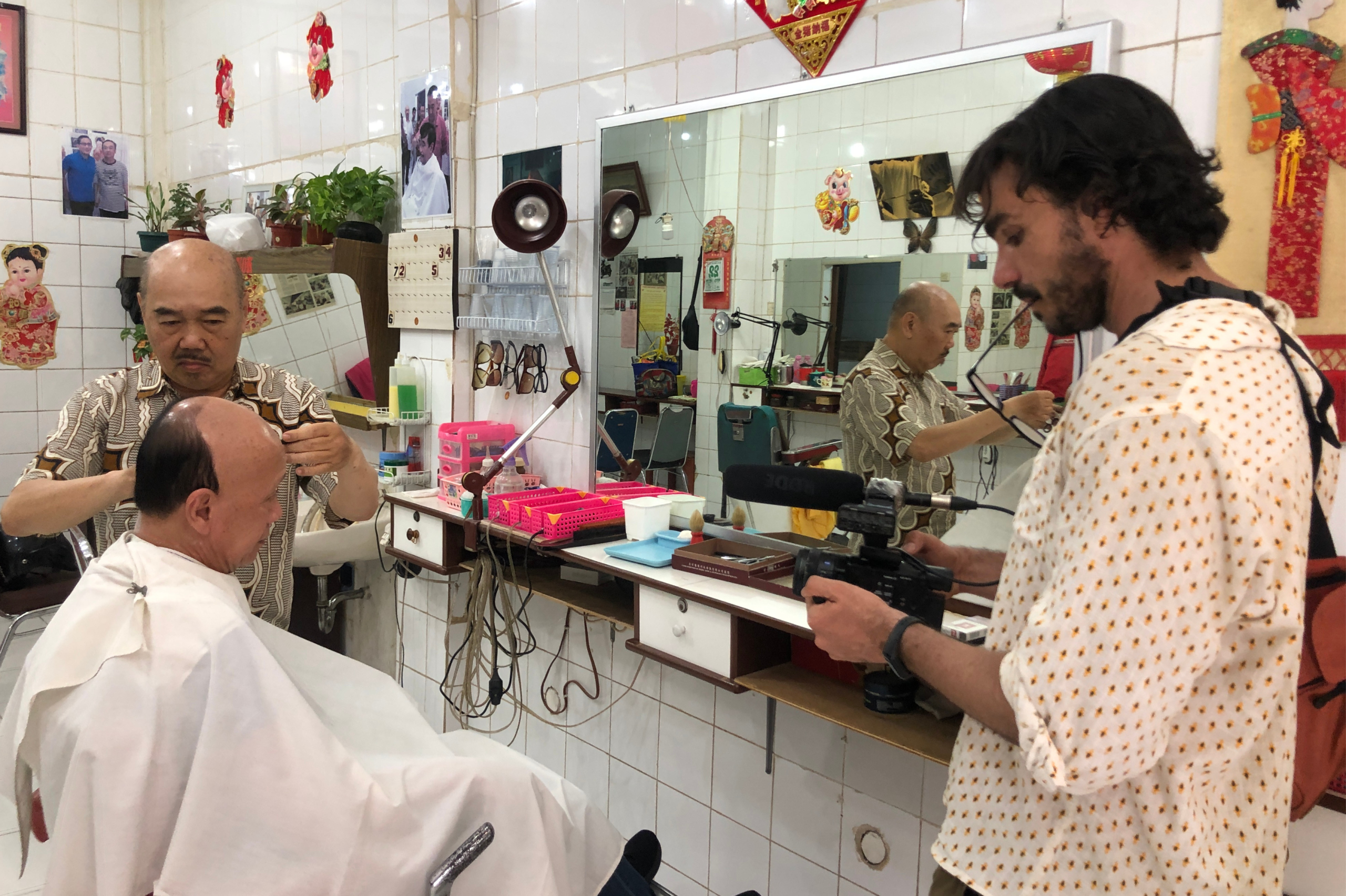
3.The title of the work is a nod to the total amount of days of the year the film was shot, measured in the traditional Chinese lunar calendar, where in the number of days per year vary. The notion of a 354-day year is often surprising to audiences, even those from China, who are more familiar with the consistency of the 365-day Gregorian calendar. Could you tell us more about this title choice and why the perception of time holds such prominence in your work?
Time, in CHINA354, is not a neutral backdrop, it’s the protagonist. The lunar calendar, with its fluidity and embedded cosmology, offered a way to measure experience that felt more organic, more attuned to the rhythms I was witnessing. The number 354 isn’t just a count of days; it’s a gesture toward a different worldview, one where time bends, breathes, and listens. I wanted to challenge the tyranny of the 365-day grid, to remind us that time is cultural, emotional, and political. In this sense, CHINA354 is a calendar of encounters, each day a capsule, each minute a ritual.
4. Your work with CHINA354 uniquely embraces very short video formats , episodes under one minute , which are typical of social media platforms like Instagram, TikTok, and YouTube Shorts. These formats are often criticised for their brevity and perceived superficiality. What motivated you to adopt these current digital codes for your artistic quest, and how does working within such concise time frames influence the storytelling? Additionally, how did this choice affect your shift from a personal perspective to a broader exploration of society?
I see brevity not as a limitation, but as a discipline. The one-minute format forces clarity, precision, and poetic compression. It’s closer to haiku than to essay. By embracing the codes of digital media, I’m not surrendering to them, I’m repurposing them. These fragments become meditations, not distractions. They allow me to document the pulse of a place, the texture of a moment, without imposing narrative scaffolding. Over time, the accumulation of these micro-stories revealed patterns, tensions, and harmonies that transcended my own gaze. What began as a personal diary evolved into a collective portrait , a mosaic of contemporary China seen through the lens of ritual, labour, and longing.
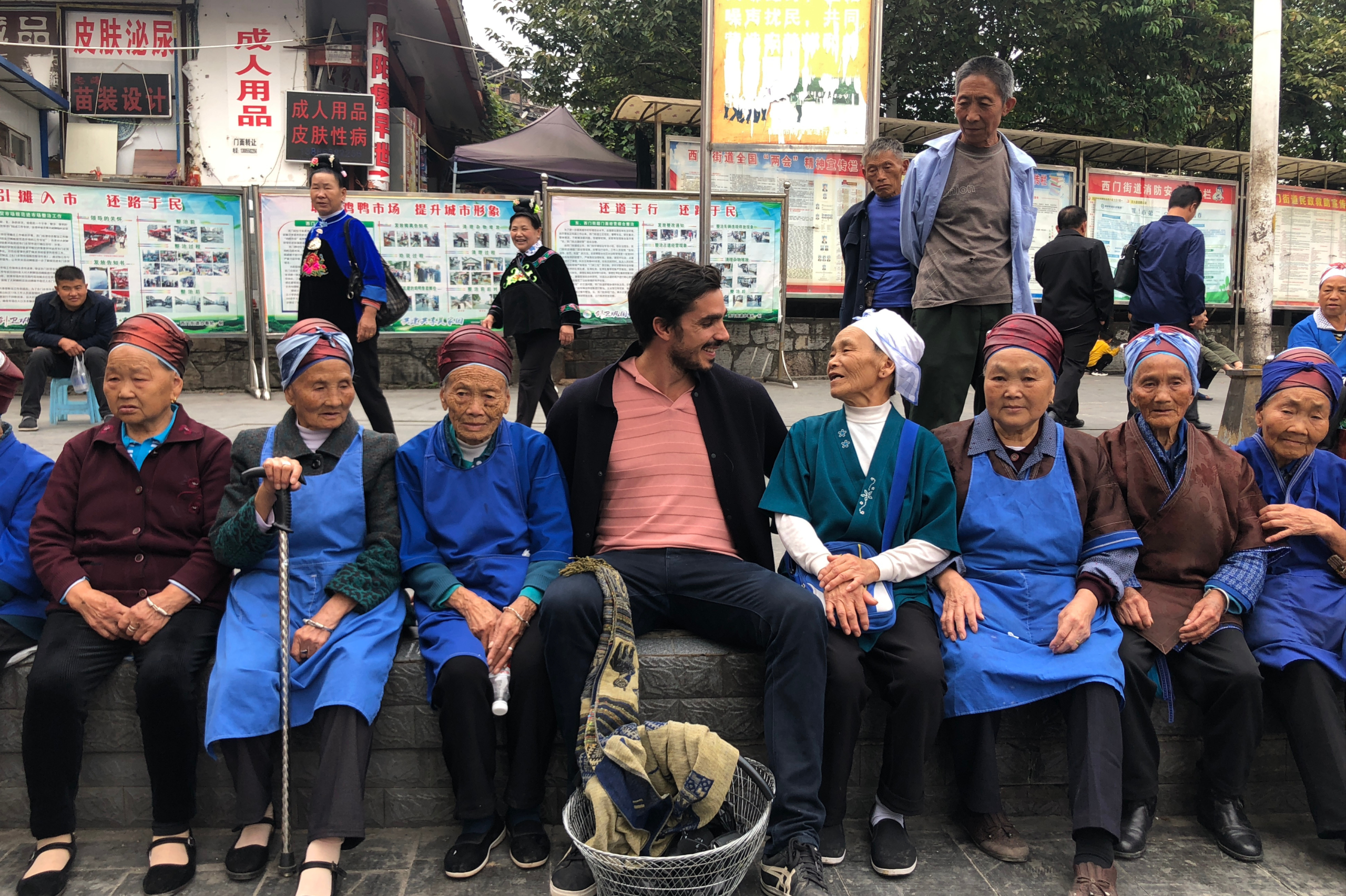
5. In previous interviews, you’ve spoken about the immediate cinematic impact China had on you , its cities, its people, its rhythm. What compelled you to transform that initial impression into a deep, multi-city journey with CHINA354? What were you hoping to uncover or portray about the everyday lives, customs, and aspirations of the people you encountered along the way?
China overwhelmed me, not with spectacle, but with density. Every corner held a story, every face a contradiction. I felt a responsibility to stay, to listen longer. CHINA354 became a way to honour that impulse. I wasn’t chasing answers; I was cultivating presence. Through the journey, I hoped to reveal the invisible architectures of daily life, the gestures that sustain families, the rituals that anchor identity, the dreams whispered in alleyways. I wanted to portray China not as a monolith, but as a constellation of lived experiences. The project is less about explaining and more about witnessing , with humility, with reverence, and with the belief that cinema can still be a sacred act.
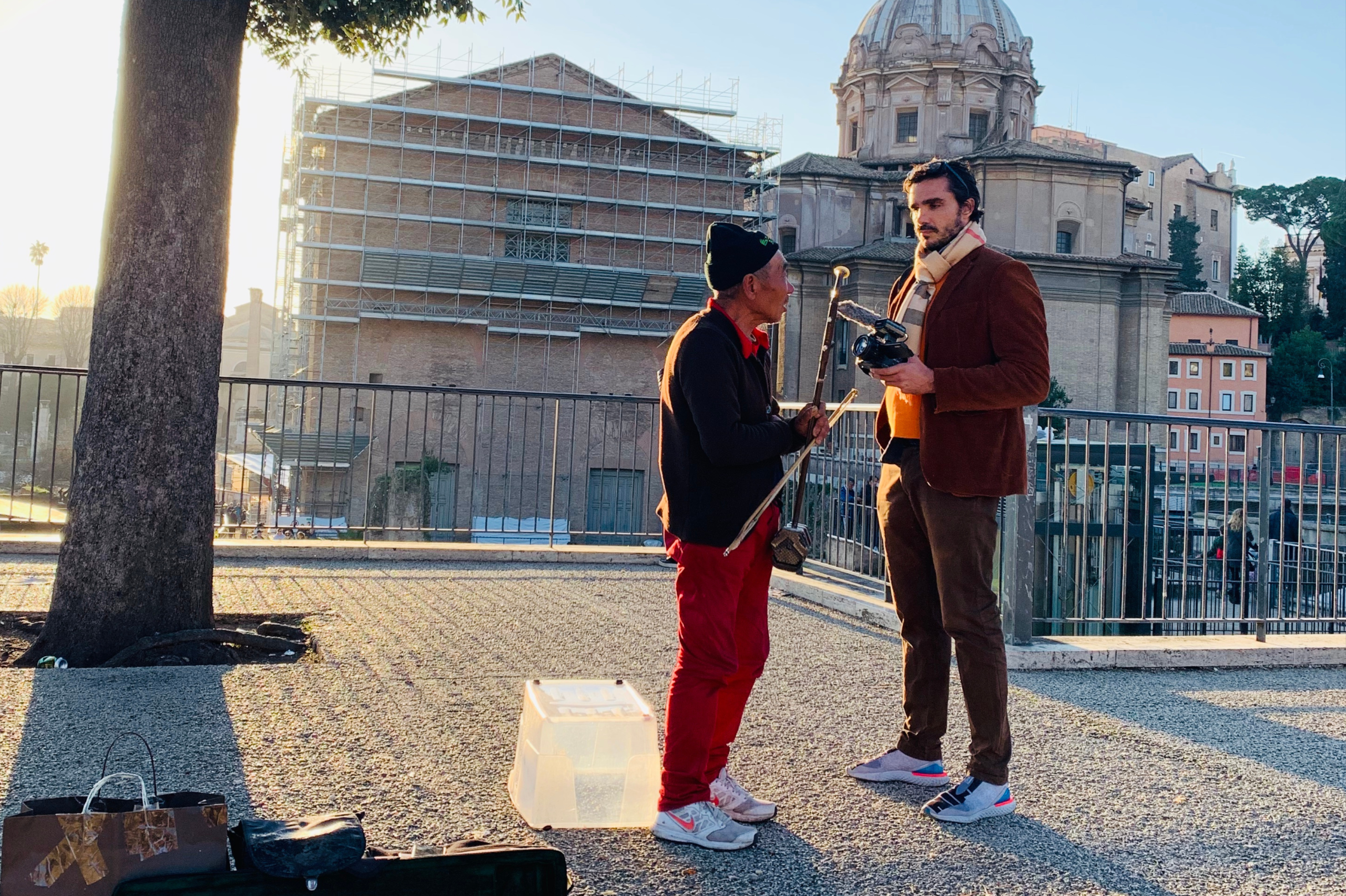
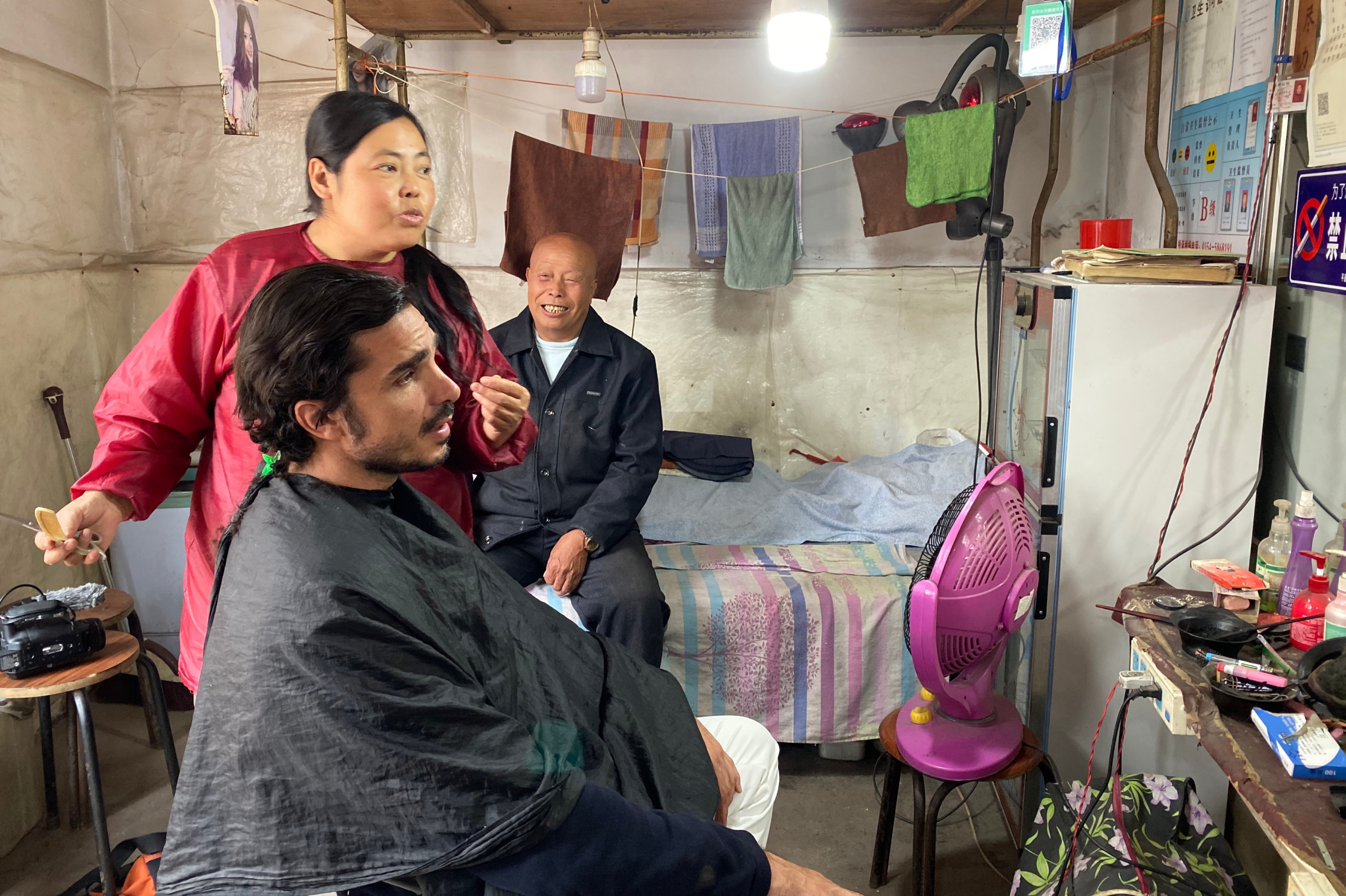
Luis Cuenca Castro was born in Madrid, Spain in 1973. After relocating to the USA in 1999, he studied Film Production at NYU and USC summer programs, with additional training in screenwriting at UCLA. He later worked with legendary producer Roger Corman as both an editor and assistant director. In 2003, he established his own production company, Mudbath Film, where he produced his independent films alongside commercial projects. His work rejects polished conventions in favour of a cinéma vérité aesthetic rooted in ritual, presence, and personal mythmaking. Arriving in China in 2012, he learned the language and immersed himself in its culture. The country offered the spatial and cultural expanse needed to develop a style he’d unconsciously awaited for decades—a vision that would take another ten years to fully crystallize as his own Kino-Primitiva, a Lumière-influenced cinematic language. This artistic evolution unfolded alongside his decade-long immersion in the production of CHINA 354.
Admission is free. Attend this special screening of CHINA 354 at the Cervantes Institute of Shanghai, as part of AECF2025 by scanning the QR code below (CN):

Discover the full AECFest programme.
SHARE THIS ARTICLE