How do we live together across distances — cultural, historical, geographical? Today, distance is not only spatial, but also temporal, digital, and emotional, shaping how we connect, understand, and belong.
Unfolding as a “festival within the festival” in collaboration with SPRING Performing Arts Festival in Utrecht from 14 to 23 May 2026, the 8th Edition of the Asia–Europe Cultural Festival (AECFest) explores Asia–Europe collaboration as a lived condition: embodied, negotiated, and constantly shifting. Rather than treating it as a geopolitical abstraction, the festival considers how connection unfolds in practice — through migration and mythology, public gathering and digital culture, shared rituals, and everyday gestures.
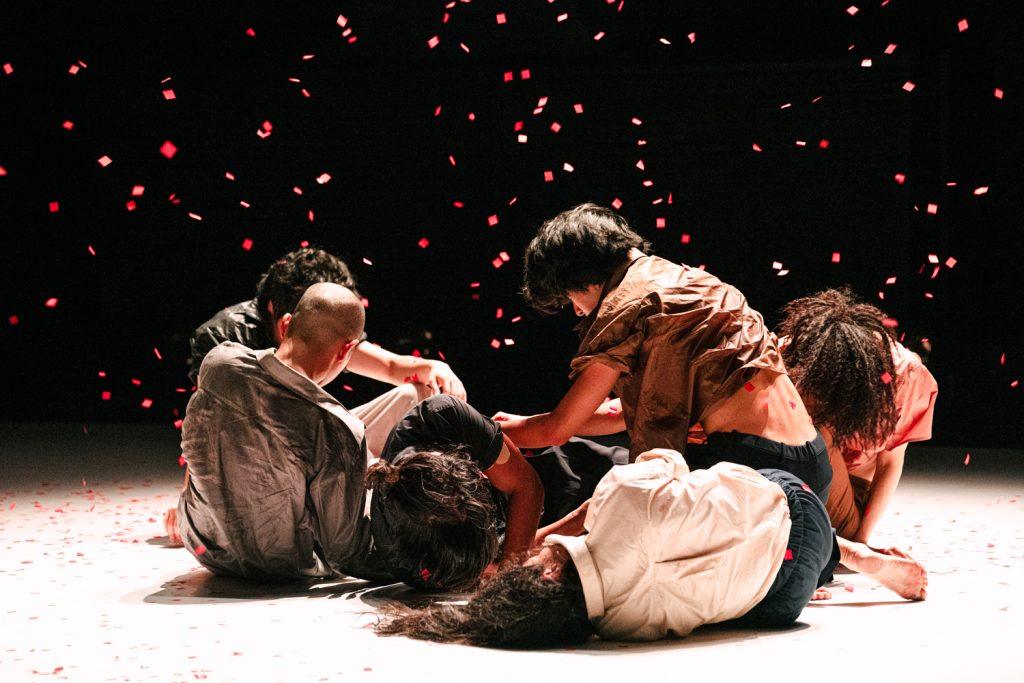
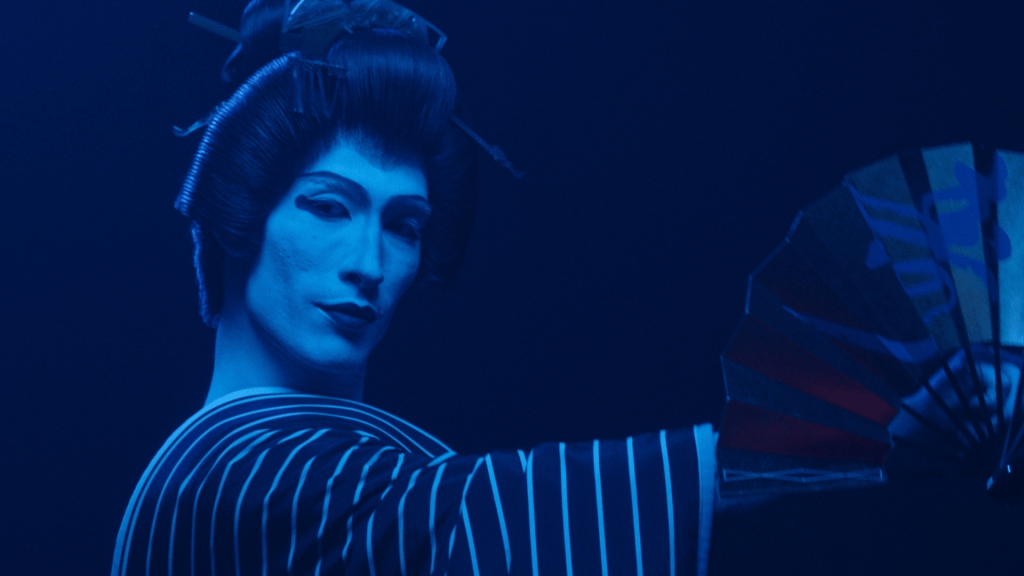
Presence at the Centre. The festival opens on 14 May with South Korean choreographer Sung Im Her’s contemporary dance double bill: Everything Falls Dramatic and Tomorrowisnowtodayisyesterday (TiNTiY). The first explores fragility and resilience, offering a meditation on vulnerability and solidarity amid continual loss. TiNTiY extends this reflection into the mediated gaze of digital culture, where time collapses, identity fractures, and visibility become both currency and burden. Together, these works hold a mirror to a hyperconnected world where Asia and Europe are only a scroll apart — yet understanding remains fragile.
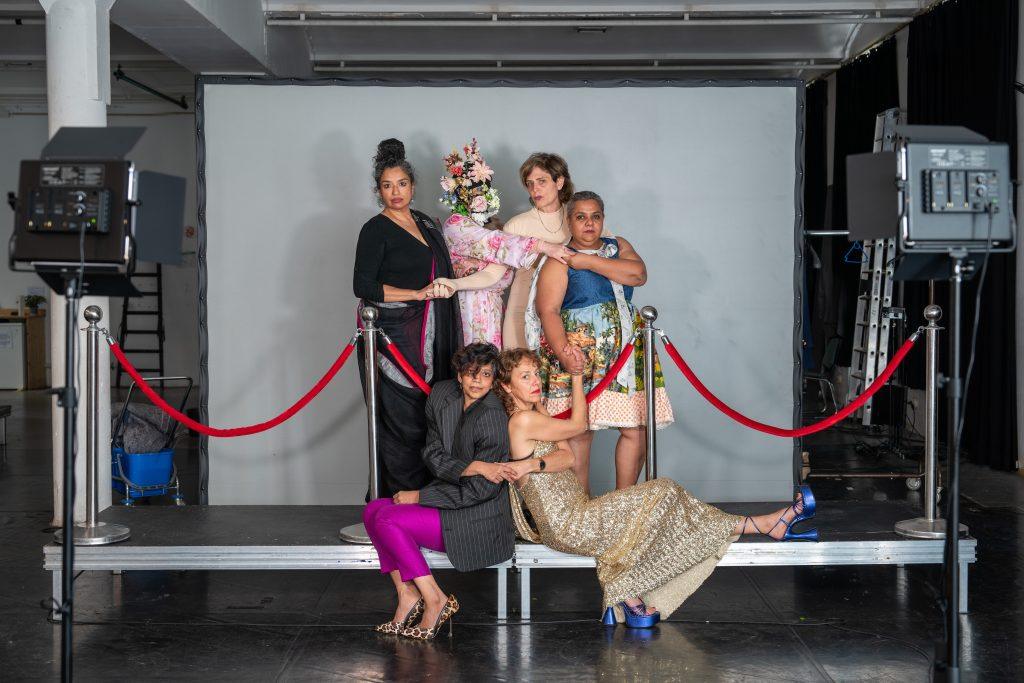
Access, Hospitality, and Power. Also during the opening weekend, Wait To Be Seated, a theatre collaboration between Sandbox Collective (Bangalore) and She She Pop (Berlin), will reflect on hierarchy, inclusion, and the imbalances of voice between different cultural and institutional contexts.
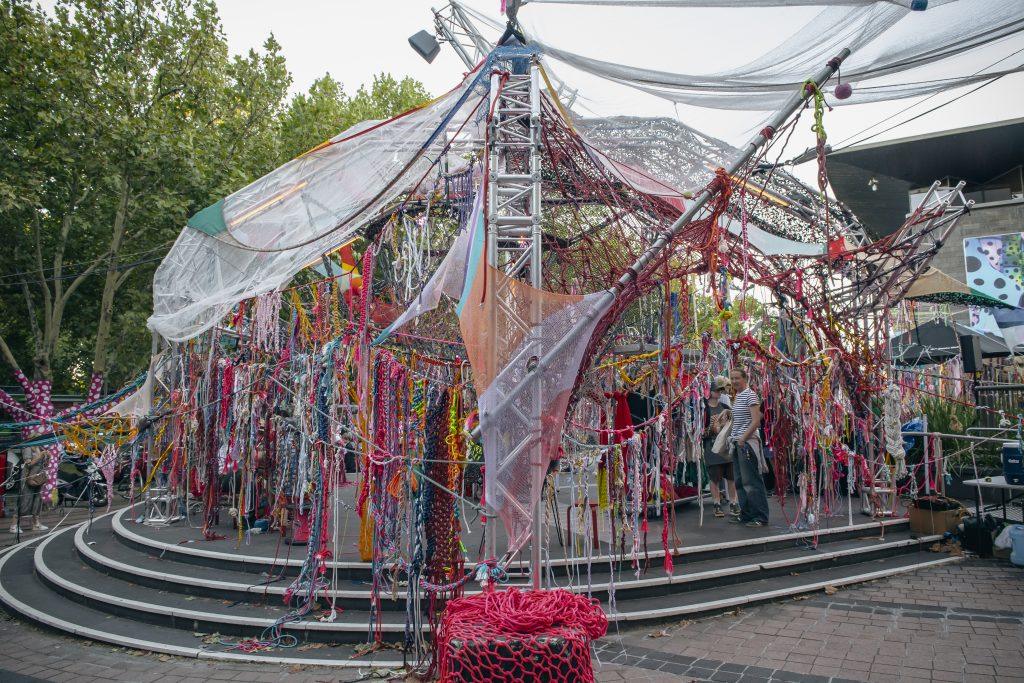
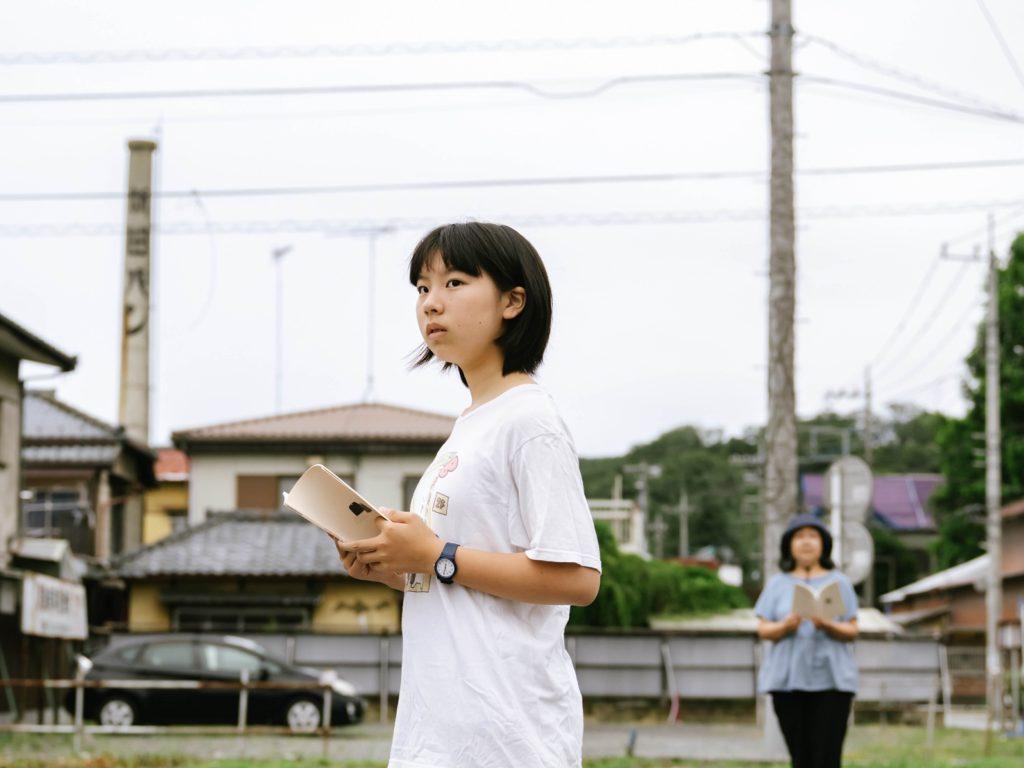
Public Spaces as Encounter. Two ongoing projects unfold throughout the festival turning spectators into participants and collapsing the distance between stage and audience. Singaporean artist Daniel Kok and Naarm/Melbourne-based Luke George present Homebound, a giant tactile woven installation, exploring “home” through weaving as a metaphor for social interaction. The work examines attachment to people and place, showing how our lives intertwine across migration, language, and memory. Orangcosong’s Engeki Quest, a guidebook of Utrecht mapped by social relations rather than landmarks, offers new perspectives on everyday environments.
Cinema as Attentive Listening. On Sunday 17 May, Holding the Unsaid brings Adrià Guxens’ films into the reflection. Across Asia and Europe, and across generations, the four short films dwell in pauses and atmospheres, revealing how memory, identity, and belonging are negotiated.
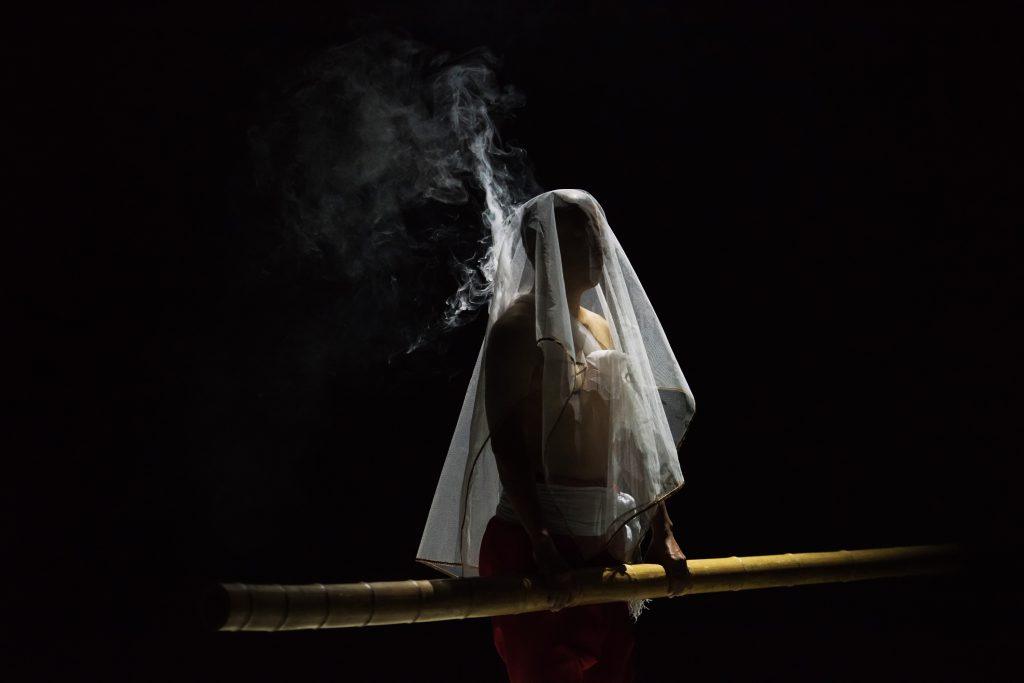
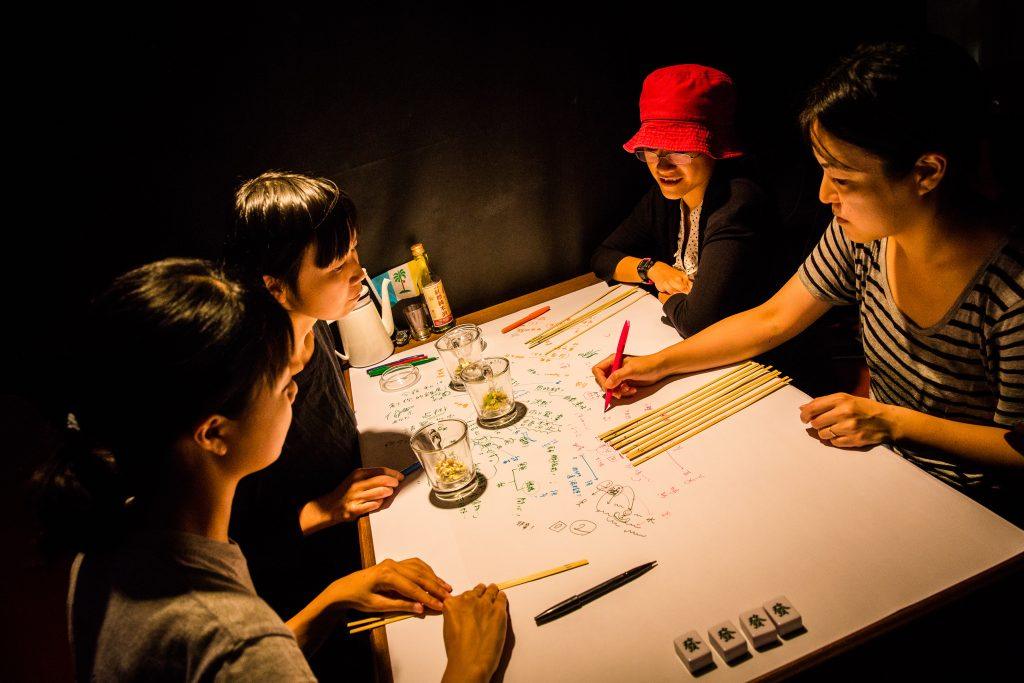
Myth, Play, and Alternative Frameworks. The second weekend opens with Japanese-French duo Aoí + Esteban’s LILITH.AEON, a durational immersive performative installation that unsettles dominant narratives and proposes alternative frameworks of power, presence, and legacy. In IsLand Bar, Japanese duo Orangcosong transforms city bars into temporary gathering points collaborating with Asia-based European artists to explore migration, displacement, and cross-cultural encounter. Similarly attentive to the micro-politics of gathering, The Bench (By Accident) by Singapore-German duo Ashley+Domenik, builds on the collaboration supported by AECFest since 2024, turning everyday seating into moments of accidental diplomacy.
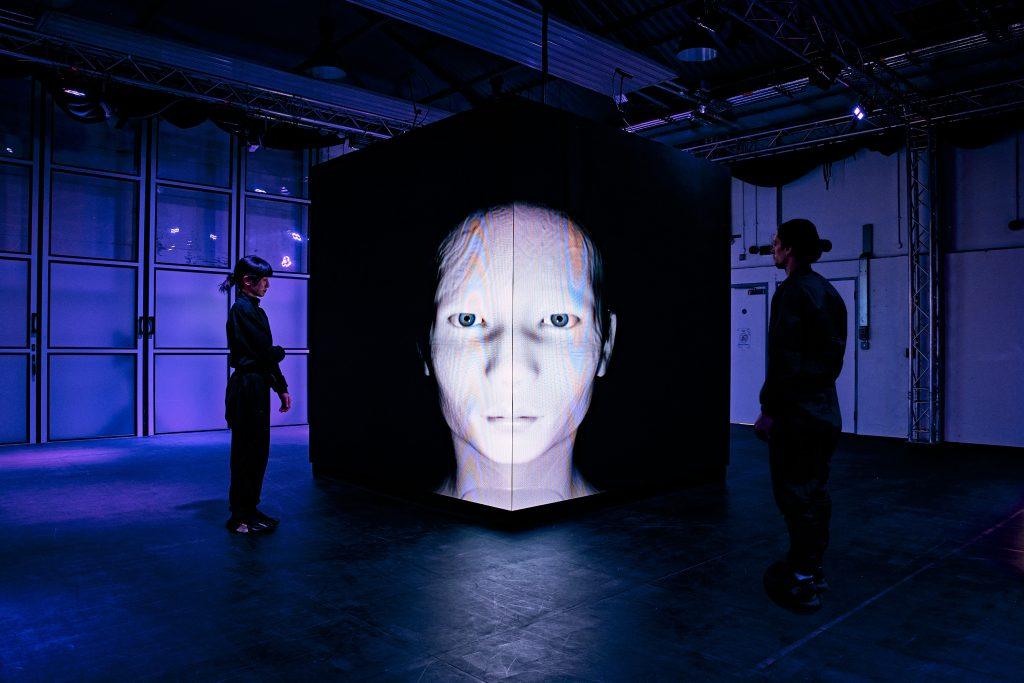
Decolonising Narratives. On 22 May, Singaporean performance maker Choy Ka Fai presents SoftMachine, a decade-long multidisciplinary project developed across Asia. In Utrecht, Ka Fai shares chapters created with artists in Indonesia and India, exploring how connection persists, shifts, or falters across geography, memory, and cultural difference. The same day, a panel discussion will bring together artists and institutional voices, to address questions of restitution, representation, authorship and equitable storytelling.
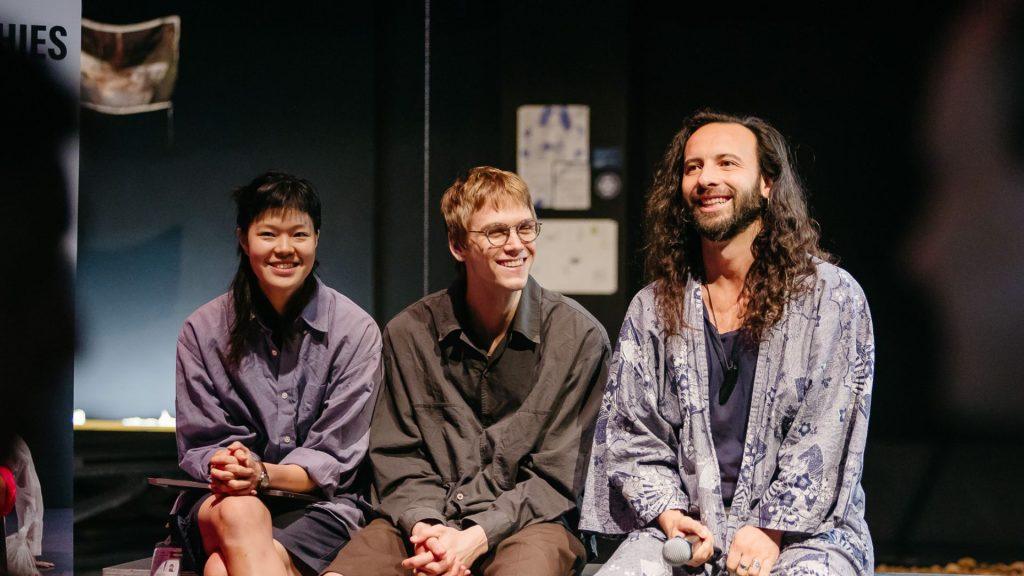
A Living Collective Reflection. This year, AECFest also launches the CAMP, a discursive and communal platform for sustained encounter. Mid-career producers from Asia and Europe gather in a temporary shared environment to reflect, coverse and navigate moments of friction and care.
Through the programme, Asia–Europe relations appear in motion: sometimes harmonious, sometimes tense, always in the making. Dialogue is enacted in bodies, in public space, in shared rituals, and in contested histories.
AECFest 2026 embraces multiplicity, acknowledges asymmetries, and encourages mutual presence. It reminds us that equality begins not with agreement, but with the willingness to sit together — to wait, to listen, to move.
Discover the full AECFest 2026 Main Festival programme and other SPRING here.