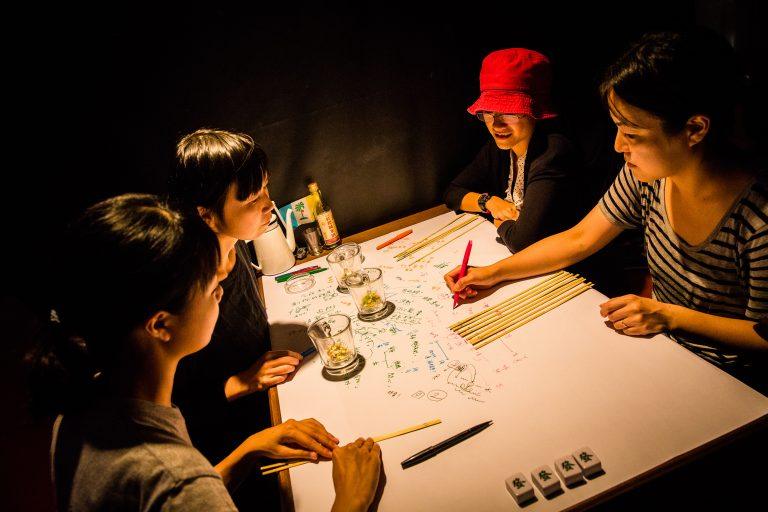
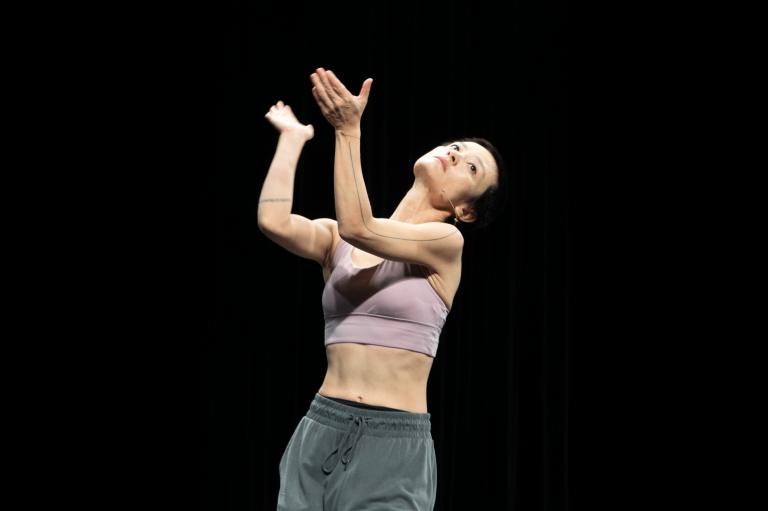
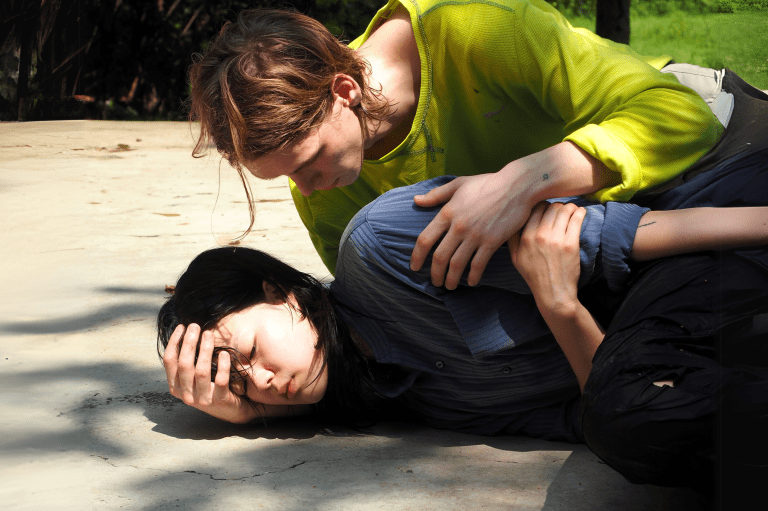
WE SPEAK WITH DIRECTOR TUE BIERING AND ACTOR CHAN TAI YIN ABOUT THEIR COLLABORATION ON 'THE LIAR - 偽人' - A NEW THEATRE WORK QUESTIONING PERCEPTION AND REALITY, PERFORMED AS THE CURTAIN RAISER OF AECFEST 2026
1. The Liar – 偽人 explores the fine line between perception and reality, through a series of layered and shifting narratives. Could you share how your collaboration began, and what drew you to these themes in the development of the work?
Chan Tai Yin: Actors are sometimes described as making their living by lies. We started with the interest in using this archetype of an actor to discuss the increasing lies surrounding us. That includes fake identities, information war and collapse of beliefs. We later found that the art of storytelling is the key to how we construct our reality. Then the focus shifts to the problem of storytelling. How do we know when it’s true and when it’s not? It becomes a fundamental questioning of theatre. The wicked two sides of a coin of performance.
Tue Biering: We live in a world where truth has become more subordinate. It’s about entertainment and it’s about telling the good story. We want to hear the stories that confirm our own view of the world. And it doesn’t matter if it’s untrue.
2. [For Chan Tai Yin] In the play, you perform a version of yourself, with your character bearing the same name and occupation. As an actor, what does it mean to inhabit a work that not only blurs the boundaries of fiction and reality, but actively invites the audience to question its own existence?
At first, one might think this is leading to the discussion of ethical dilemma of exploiting the headline of true events as click bait. But soon the narrative makes it clear the actor’s intention is not to convince or debunk the original event. We are taking the documentary genre under examination. It’s the simplest and most original form of stories. By focusing on ‘how’ a story unfolds instead of ‘what’, audience are invited to think about why storytelling is powerful. It creates a temporary truth to the reader, listener or audience by playfulness, aesthetic and charisma. It almost seems like this truth is more true than other truths. But the problem is we have always know and agreed that stories are made up. Are lies. And it’s powerful because of it’s performativity, it’s presence. It means a lot for me to expose this dilemma. Since we inevitably rely on stories to construct our perceived reality, it is essential to discuss the humanity in the challenges of using it.
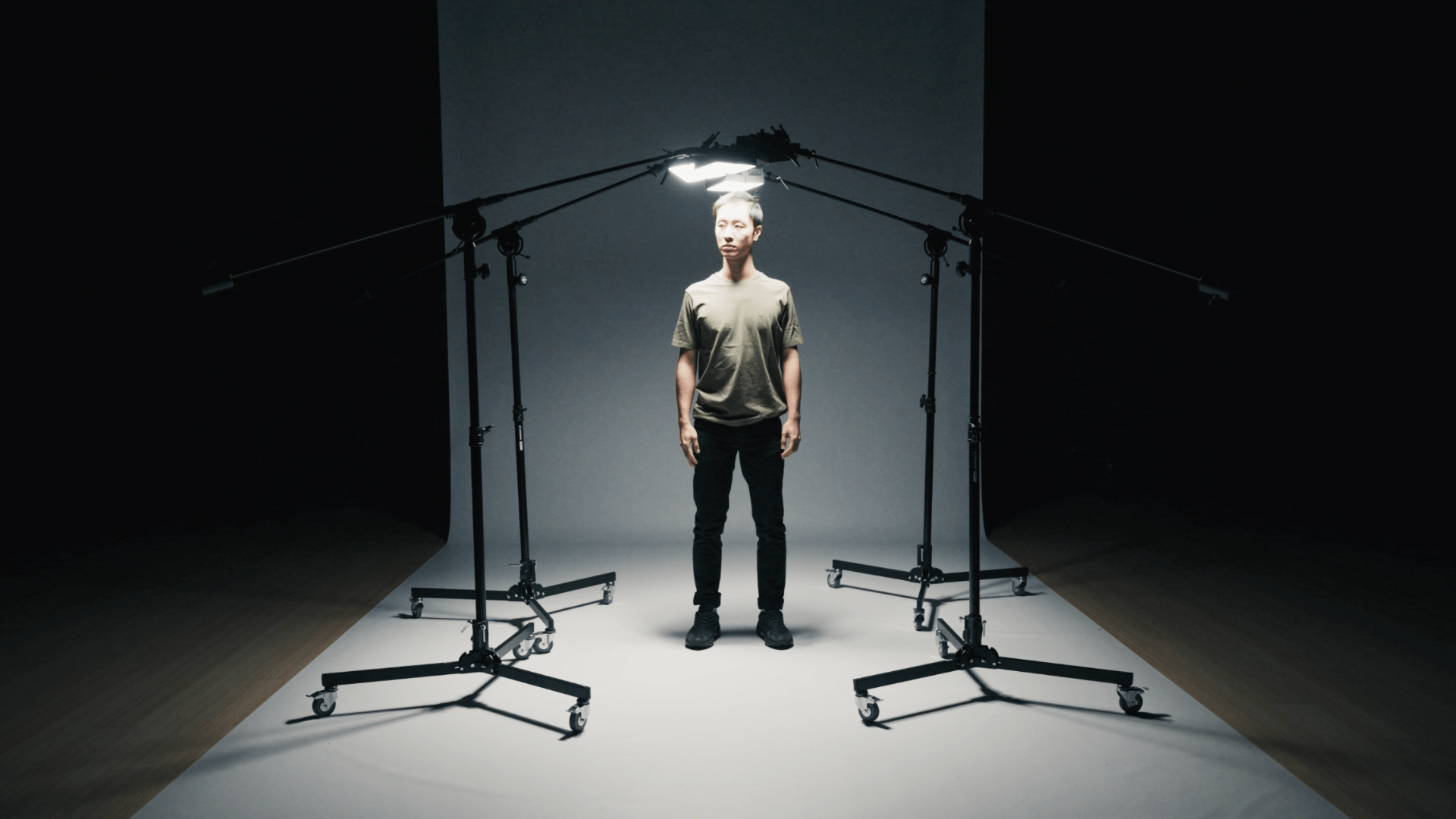
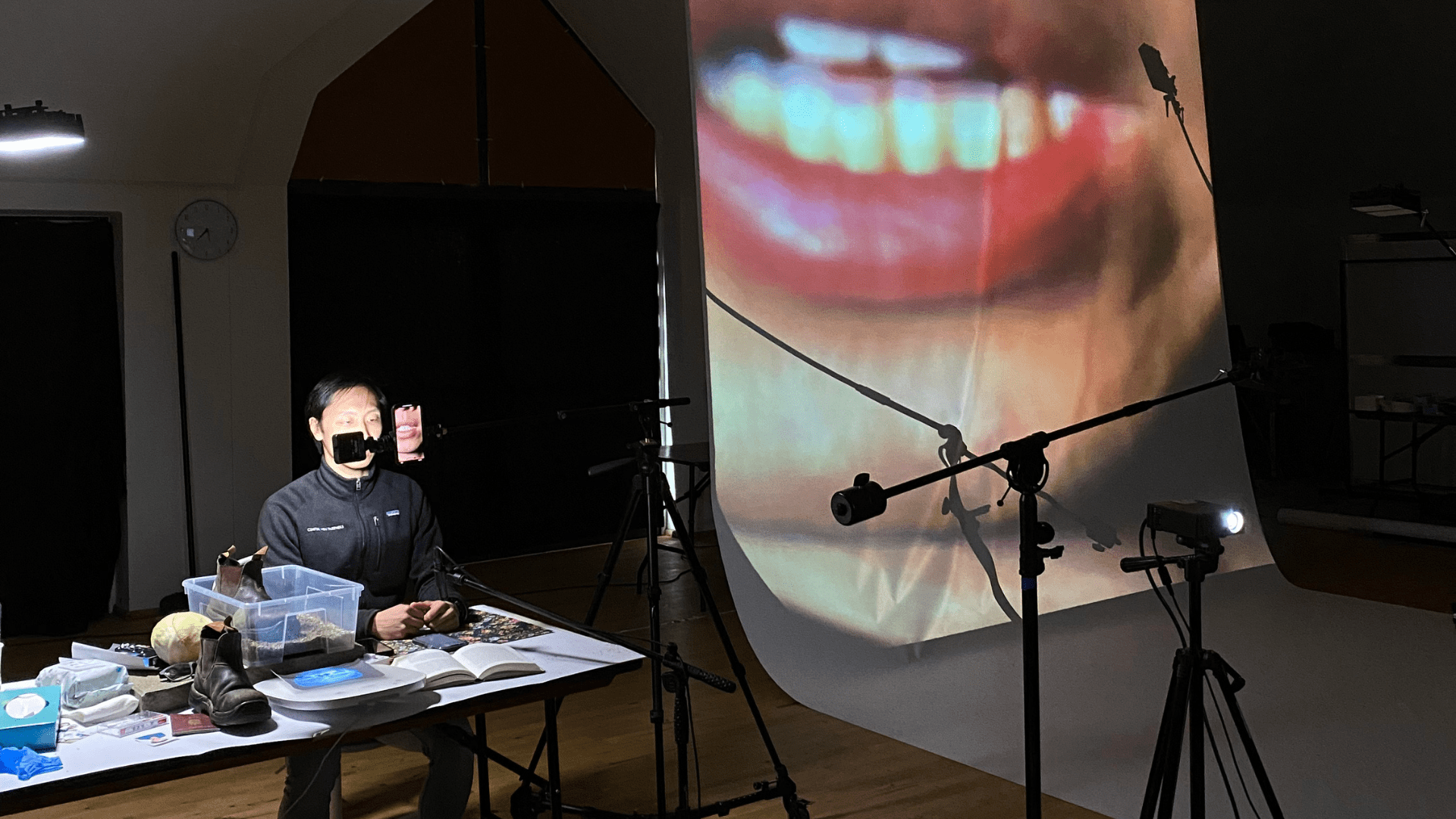
3. [For Tue Biering] You’ve worked extensively in international contexts, with productions such as Dark Noon and Apocalypse NYC. With The Liar – 偽人 you present your work within an Asian context. How has this environment shaped the creative process? Were there particular perspectives or approaches to art-making that influenced the development of this piece?
Well I feel I am still exploring and learning. I think I have much more to experience. I love working with fellow artists and getting to know their craft and where they get their inspiration and creative energy from. I feel I have just started this journey into the Asian art-scene and hope I will have more opportunities to collaborate within this context.
4. [For Chan Tai Yin] The Liar – 偽人 has both an English and a Cantonese version. How do these iterations differ in their nuances, and in the way they communicate the work’s themes?
They are the same in content, only different in language. The performance is created in English so the cultural context is international but still are things recognisable by Hong Kong audience. I would imagine both versions equally effective. As the theme is universal.
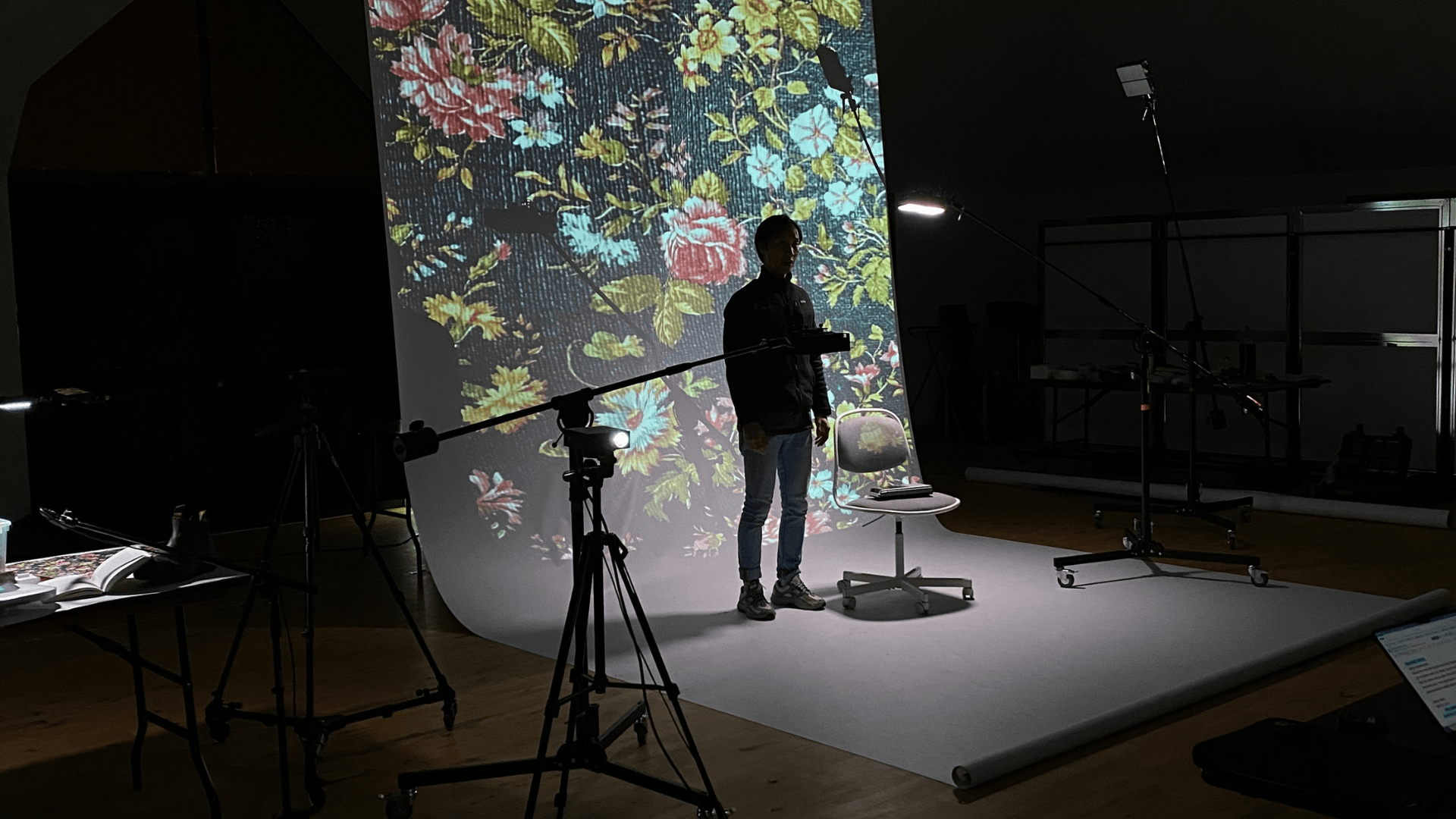
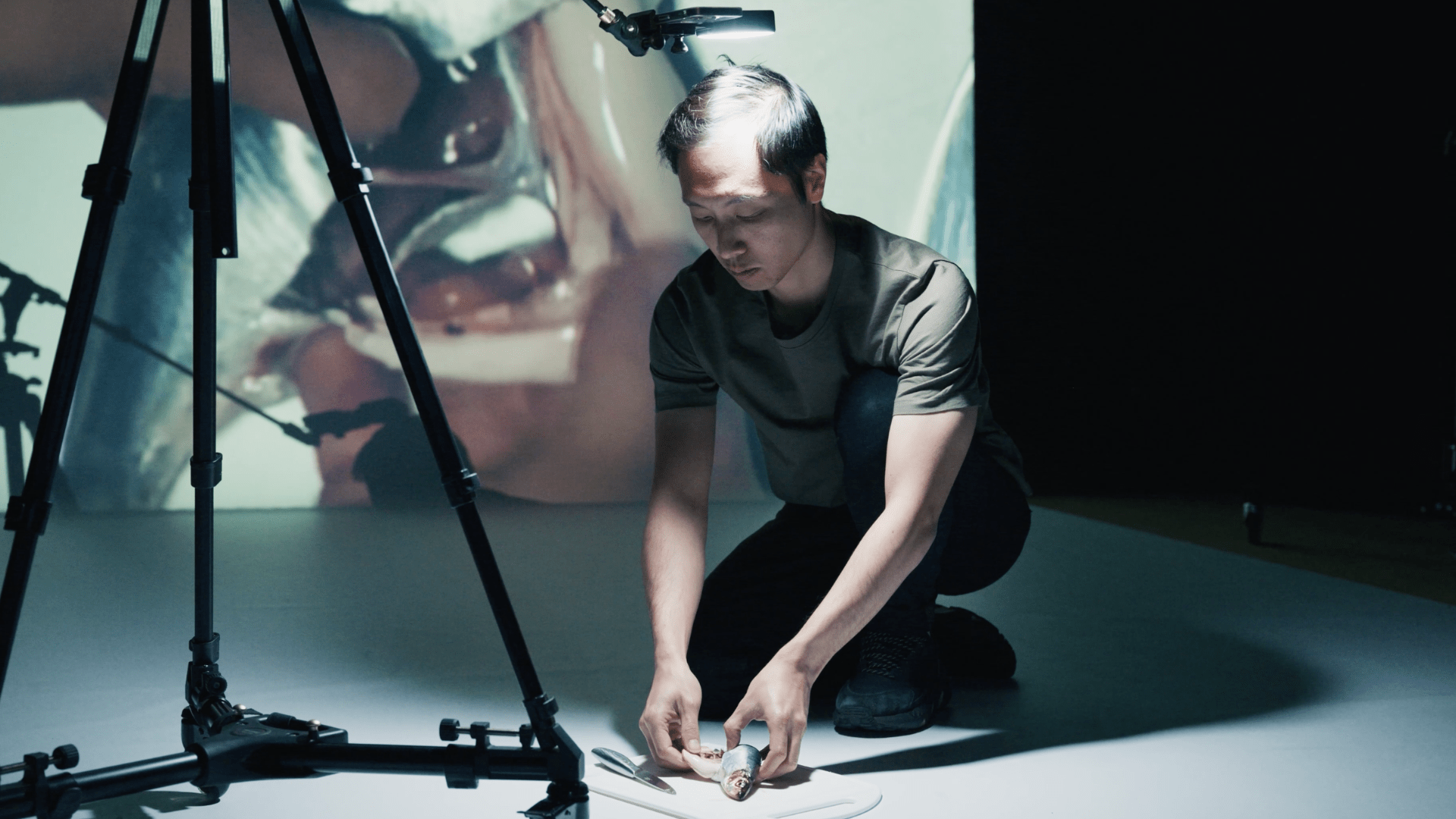
5. [For Tue Biering] Audience engagement has been a defining element in several of your previous works. Can we expect as similar approach in The Liar – 偽人? If so, how does this engagement function within the piece, particularly in relation to its exploration of truth and perception?
I like to play with the audiences imagination because the images we create in theater can take us anywhere. That’s why I love this art form. I find it without limits and I constantly find new ways to explore that theatrical space of opportunity. In The Liar – 偽人 we are playing with authenticity and fiction and I find it super relevant and inspiring to question how art takes part in manipulating our perception of reality.
6. We are often described as living in a ‘post-truth’ era, where shifting power structures, cultural dynamics, and technologies complicate our ability to distinguish what is real and what is constructed. What kind of conversation do you hope The Liar – 偽人 will open within this context?
Chan Tai Yin: Sometimes I imagine what it was like when the printing press boomed and how we survived that. It might look doom-and-gloom now, but it’s important to be vigilant, and my expertise and concern is the humanity side of it. I hope the performance can inflict a memorable experience in the audience so they can consider what is a human way to live the time we live in.
Tue Biering: As long as the audience have a conversation, I am happy. I won’t be the director of their thoughts.
Tai Yin Chan is an interdisciplinary actor working in performance. His recent appearance in theatre includes Please, Continue (Hamlet) (Tai Kwun, Yan Duyvendak), £¥€$ (Ontroerend Goed, 47th HK Arts Festival, OzAsia Festival 2019), Night Just Before the Forests (Macau Arts Festival). His recent appearance on screen includes Black Doves and Red Eye.
Tue Biering is the Artistic Director of Fix+Foxy, based in Copenhagen. Over the last 25 years Fix+Foxy has created a prolific body of work containing new dramatic pieces, classics, operas and interactive performances. Tue uses genuinely ground-breaking theatrical forms to explore the dynamic between performer and audience, revealing new aspects of what we thought we knew and the stories we believed in.
Cover photo: The Liar – 偽人 © Tai Kwun Arts Centre
Get your tickets for The Liar – 偽人 here.
Discover the full AECFest programme.
SHARE THIS ARTICLE