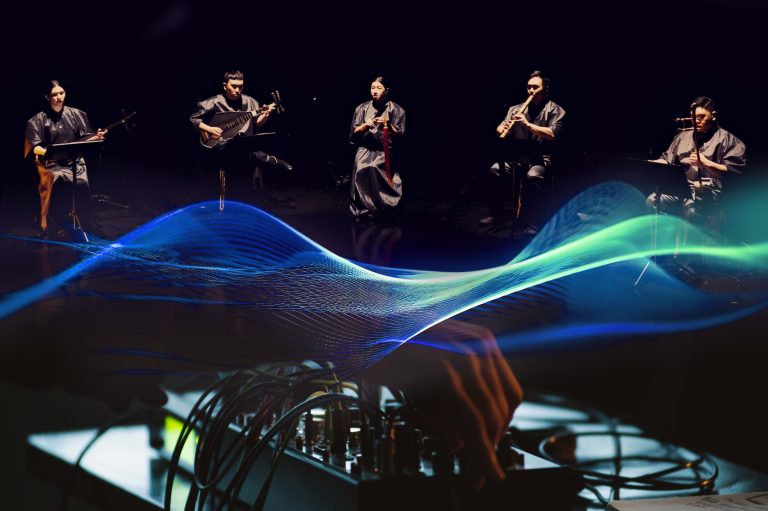
WE SPEAK WITH CHOY KA FAI, MULITIDISCIPLINARY ARTIST AND THE DIRECTOR OF SOFT MACHINE: THE RETURN, A DECADE-LONG PROJECT MERGING DOCUMENTARY AND CONTEMPORARY DANCE, COME TO LIFE AT AECFest 2026
1. Could you introduce your artistic practice, and share what initially inspired the creation of Soft Machine? What motivated you to come back to this work through Soft Machine: The Return, particularly in revisiting the stories and experiences of your collaborators?
Thank you for that question. To be honest, I often struggle to define my artistic practice because it is constantly evolving. I see myself simply as an artist who asks questions; I believe we should never stop questioning our realities. It is my way of making sense of the world. Every project begins with an obsession or a curiosity, and from there, the process remains intuitive and fluid. Sometimes the result is a documentary, sometimes a dance piece, but it almost always culminates in a kind of ‘dramatic experience.
SoftMachine began in 2012, born from a desire to map the choreographic landscape of Asia and understand the process beneath what we see on stage. I’ve always been intrigued by the dialogue and experimentation that happens behind the scenes. During the initial research phase, I engaged with 84 different dance-makers, and many of those conversations feel even more urgent today. With SoftMachine The Return, I had never left the process. My collaborators and I have stayed in constant contact, touring together and engaging with one another intellectually, even through the isolation of the pandemic years.
Deciding to revisit this as a 10-year documentary project was a deeply introspective moment for me. I wanted to reflect on my own path over the last decade, and similarly, look at where my collaborators are headed next. The question of what changes and what remains was too compelling to ignore, especially given the vast archive we have created together. When I proposed the idea to them, there was no hesitation. It was simply: ‘Let’s do it—let’s make it smarter, better, and have even more fun than before.
The romanticism of the project lies in the big questions: How many decades do we really get as artists? How is it that we are still such close friends? And why wouldn’t we want to share those stories?
2. SoftMachine: The Return moves between performance, lecture, demonstration, and documentary forms. Why is it important for the work to exist in this hybrid format, and how does this shape the way knowledge is shared with audiences?
The hybrid format was born of necessity, but it also reflects how we work as a collective. We naturally traverse different presentation styles, always with the goal of creating an immersive choreographic experience for the audience.
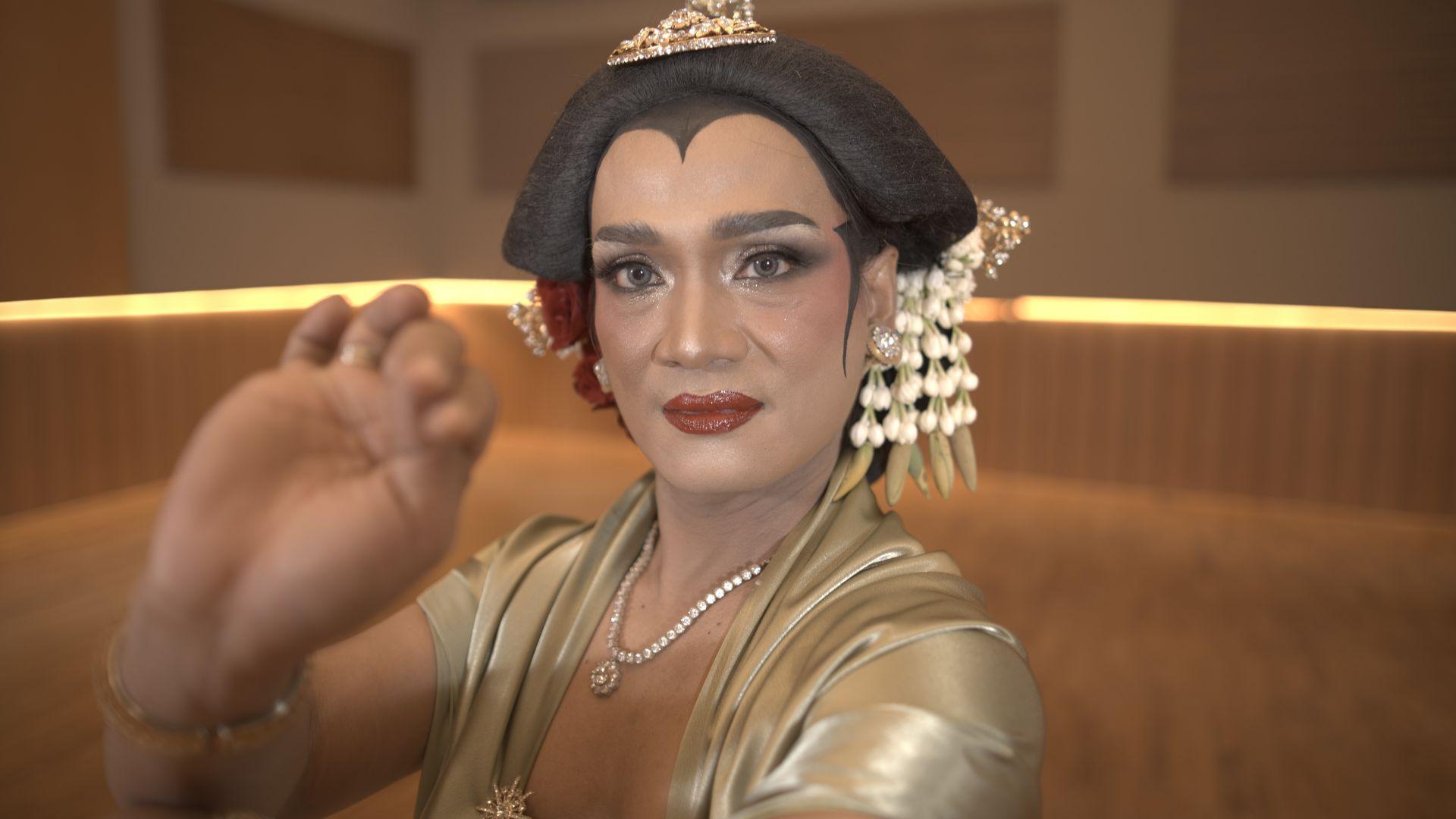
In Asia, art-making often dissolves the rigid boundaries between ‘work’ and ‘life’ that are so common in European institutional contexts. In SoftMachine, we blur these notions entirely; essentially, life is the art we make. A rehearsal with Rianto in Banyumas might begin with a shared lunch, a walk along the Serayu River, or a visit to a sacred site. I’ve realized that our process is, above all, about the time spent together.
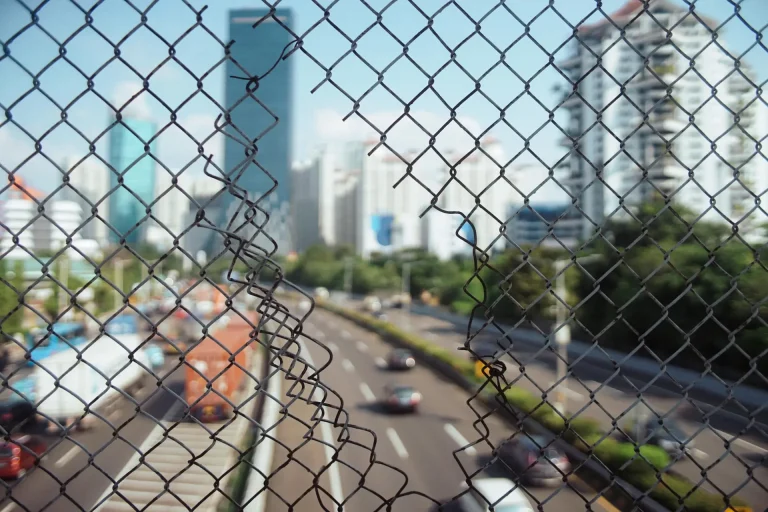
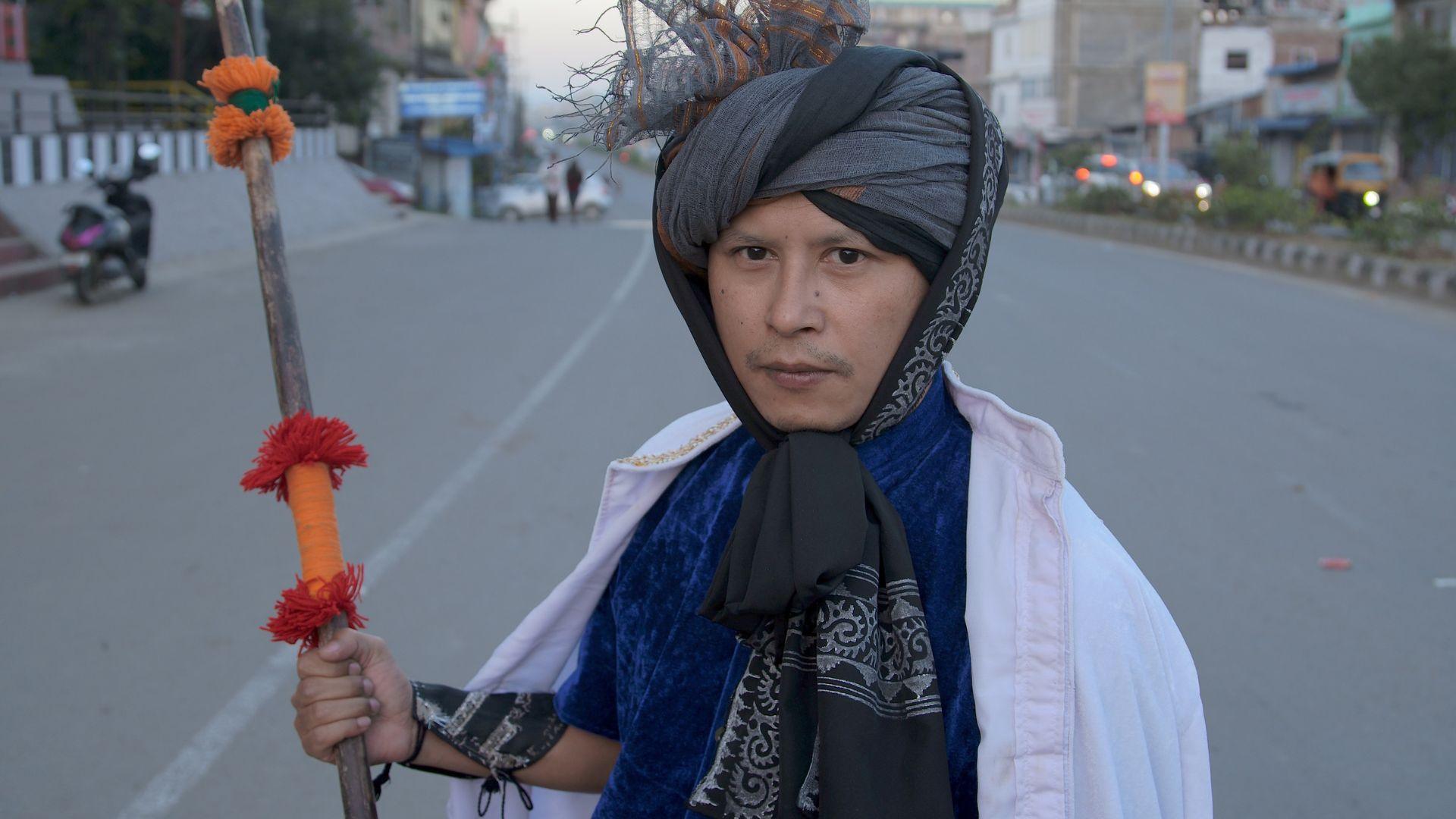
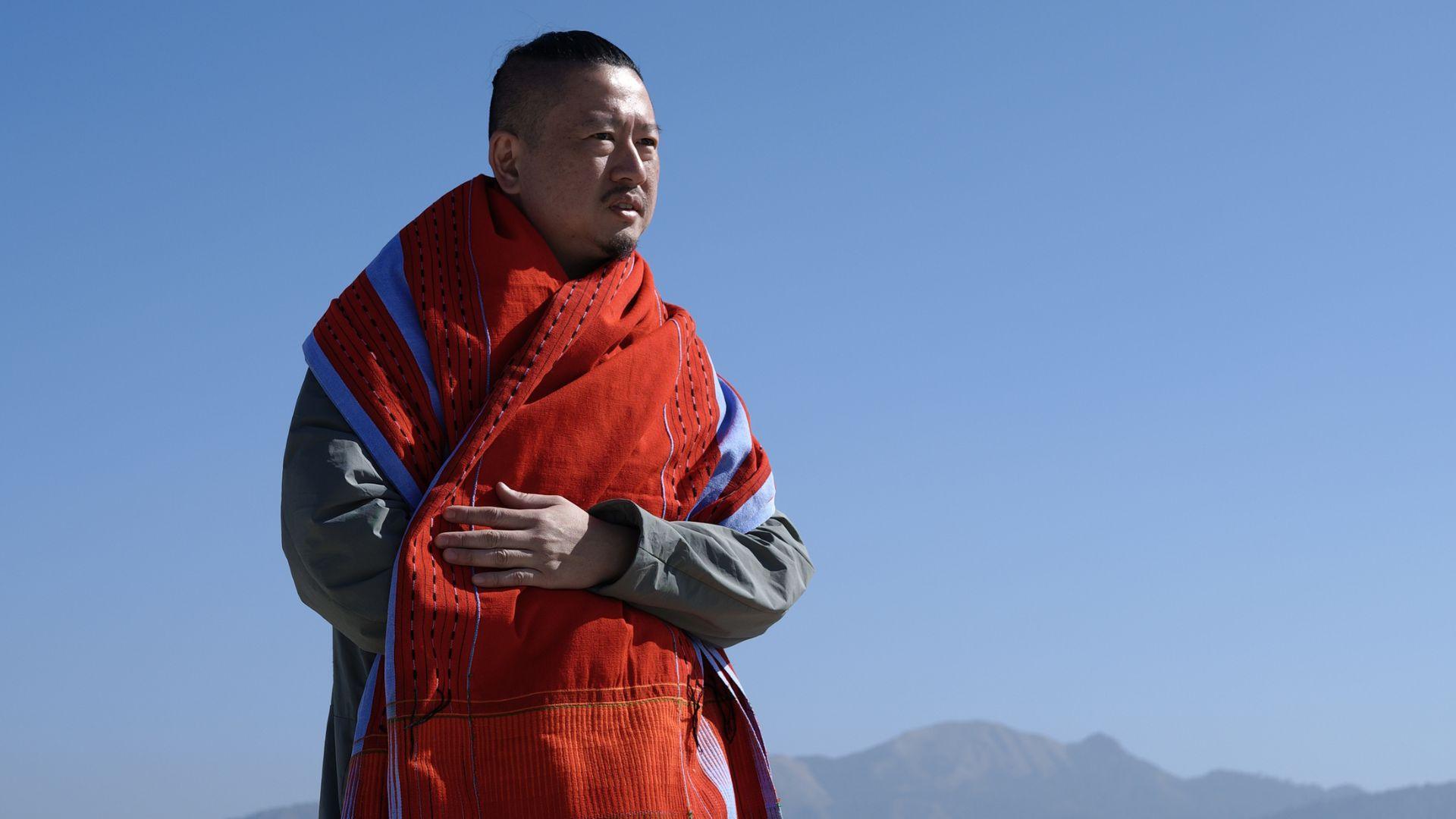
These friendships are all unique. When I worked with Surjit in Imphal, Manipur, we were caught in a government shutdown and a 10-day internet blackout due to the ethnic conflict in late 2023. For those 10 days, I lived the reality Surjit has navigated his entire life. It was an intimate, transformative experience that raised a vital question: How can I share such depth with an audience? How do I tell Surjit’s story? These moments refuse to be compressed into a single form of expression, and that complexity is reflected in how the performance is structured.
By weaving documentary footage, choreographic experiments, and visual narratives together, SoftMachine The Return invites the audience to witness not just a finished product, but the raw thought process and lived experiences behind it. This is the core for us. This format challenges the audience too: it asks you to hold multiple modes of knowing at once. To feel a movement, understand its history, and question its future. It is demanding. It is imperfect. It is honest.
3. Soft Machine engages with dance practices in Asia that are often under-documented or mediated through dominant external narratives. What forms of absence, misrepresentation, or erasure have you encountered, and how does the project seek to reframe questions of representation from a more situated or decolonial perspective?
Over a decade of choreographic research across Asia, I have encountered many forms of the under-documented dance practices. However, I believe the corporeality of any dance form is resilient. The body is a living archive that continuously adapts to time, society, and life. If you search deeply enough, you will always find human stories that narrate what has been forgotten.
For an artist, I find absence, misrepresentation, and erasure to be generative spaces. ‘Not knowing’ encourages a sense of creative freedom. While we respect the traditions that forge cultural identity, we must acknowledge that contemporary society no longer moves solely to the tempo of a traditional Javanese gamelan. Today, the pulse is Dangdut, electric folk, and K-pop. The way people consume culture has fundamentally shifted.
Take Lengger dance for example, Rianto’s performance today is distinct from that of three generations ago. Though the form remains traditional, each generation vibrates with a different “Rasa” (presence and sensibility) because the dance’s function has evolved. Originating in the 16th century as a ritual of fertility and spiritual healing, Lengger once connected dancers to the spirit realm. Today, Rianto uses it to connect with a global community, essentially acting as an influencer to reach the masses via social media. Lengger will continue to evolve as long as humans practice it.
In this context, our project moves beyond the question of representation. Instead, we seek personal perspectives on tradition, culture and heritage. The personal and the vernacular become forms of resistance because they prioritize the raw corporeality of dance. Ultimately, the best way to embrace a decolonial perspective is to stop using the word entirely and simply engage with the locality of the culture. It is about learning from the locals as well.
4. The scale of collaboration in Soft Machine: The Return spans geographies, time zones, and decades. What is your approach to fostering and sustaining these long-term, cross-cultural collaborations? How have your experiences working across different cultural contexts shaped this approach?
For me, it really comes down to emotional stamina and moving beyond the ‘project’ mindset. I don’t see my collaborators as professional assets. I see them as my chosen family. When you work with people for over a decade, the work stops being a task and becomes a shared life.
Working across Asia has taught me that trust cannot be forced; it simply appears as personal friendship emerges. It’s about being there when there are no cameras, no images to capture, and no stories to tell—perhaps a kind of blissful mindfulness. For example, during the 10-day lockdown and internet blackout in Manipur with Surjit, we couldn’t work in the traditional sense, but we survived that isolation together. Those are the moments where art matters less than life and death.
I’ve learned to be porous as a person. Different cultures have different rhythms of vulnerability. My approach now is to always give ‘time’—though that is a very difficult thing in any collaboration. Listening is even more important. To understand the political weight of Surjit’s choreography, I have to give him “time” and also ask for his “time” . I have to stay in his home, eat his food, and hang out with his friends. Only then can I begin to sense the weight of his silence. Sometimes, we don’t even need to understand everything.
The SoftMachine project is essentially about intimacy with life. People change; personalities evolve. We are all ten years older now, carrying different traumas, joys, and obsessions. To sustain this, I have to love the person more than I love the choreography. These relationships have shaped me profoundly. This is why the project cannot be produced merely on an artistic level. It is about life—and life, as any artist will tell you, is gloriously, inconveniently messy.
5. How is SoftMachine received in Asia compared to Europe, and do you adapt or adjust the work in any way when presenting it in different contexts? What do these differences reveal about how contemporary dance is framed and understood across cultures?
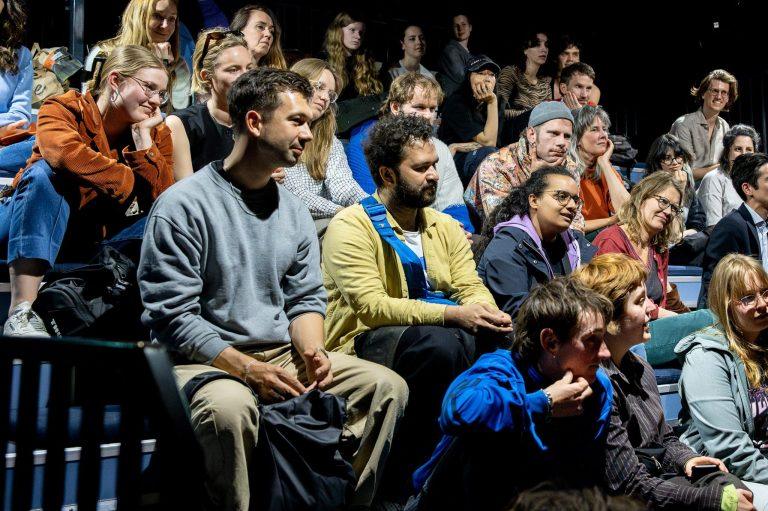
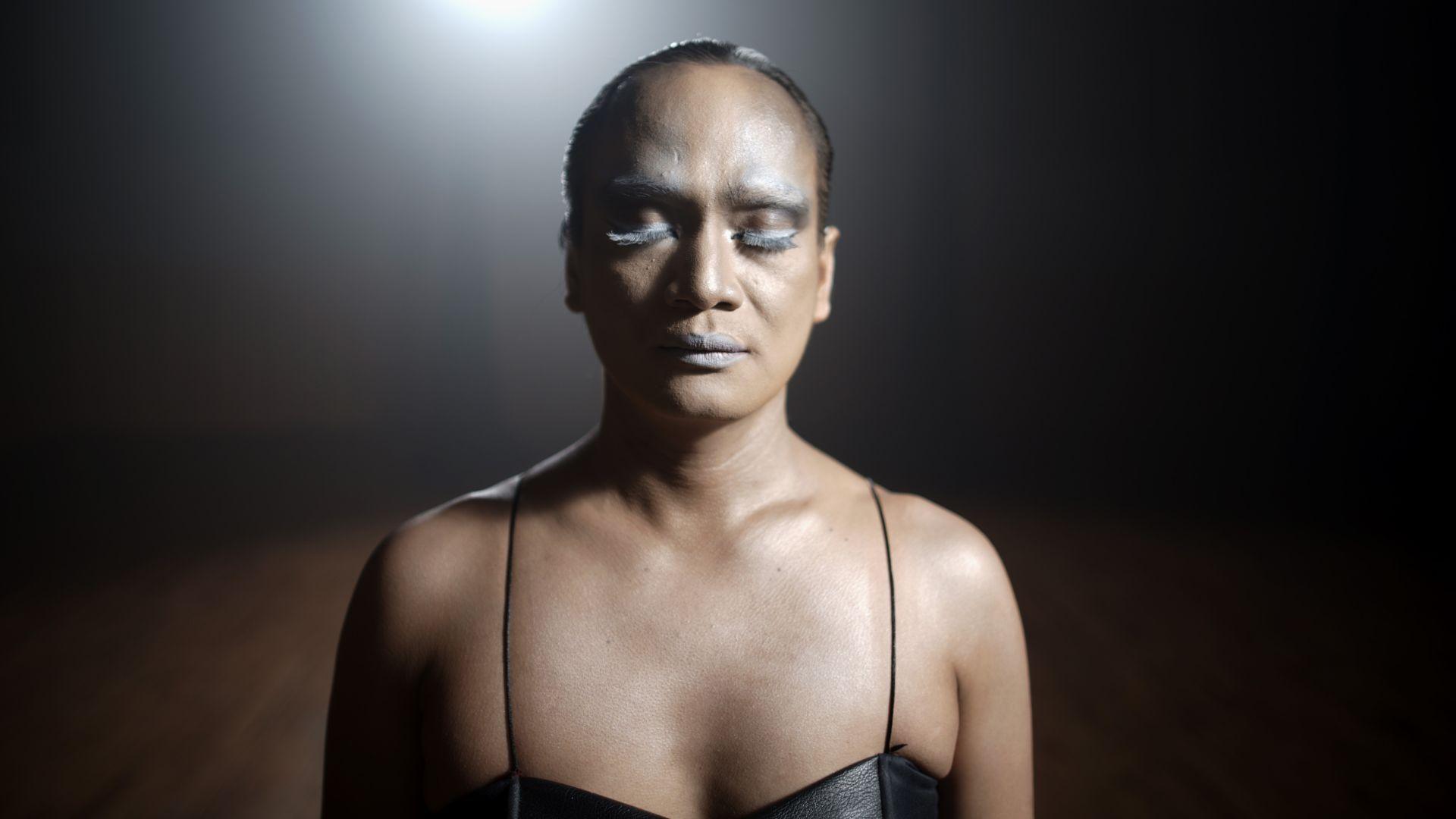
I find that the reception often mirrors the distance—or the lack of it—between the audience’s cultural understanding of us as the dance maker. In Europe, sometimes, I feel as though I am presenting a window for people to gaze upon. In Asia, it feels like I am entering a room where everyone is already staring back.
Living in Germany for the past decade has made me appreciate the European audience; their silence is focused and intellectual. There is deep respect, but also a certain analytical gaze. I often feel the need to translate the soul of my work, to move beyond the persistence of exoticism. I usually lead with a disclaimer: I am not an expert on Asian dance forms, but a storyteller sharing my own sensibilities. I might adjust the dramatic pacing or lean into documentary materials to provide a stronger context, wanting the audience to feel the grit and the reality, not just the aesthetic beauty.
In Asia, the energy is more visceral. When we show the work in Indonesia, for instance, I don’t have to explain the Rasa of the Lengger dance, the audience naturally breathes with every gyration of Rianto’s body. There is a sense of communal recognition that is incredibly moving. There is simply less translation required of the soul.
These differences have taught me that ‘Contemporary’ is a loaded word. In the West, it is often seen as a break from tradition. But for my collaborators, being contemporary is an act of survival. It is about renewal, interrogating their traditional practices to navigate the complexities of our shared reality.
I have stopped trying to make my work flow perfectly into either context. Instead, I’ve learned to embrace the awkwardness of these cultural lapses. If a European audience feels a bit lost, or an Asian audience finds a moment too esoteric, that’s okay. That lapse is where truth emerges. I will never be the perfect storyteller for everyone, so it is better to be a witness to the chaos of these colliding worlds.
If I have learned anything over this decade, it is that art is seldom just ‘produced’; it is, instead, a relationship to be maintained. SoftMachine The Return is about friendship first, art second. Yes, we negotiate egos. Yes, we disagree. Yes, sometimes we are too tired to be profound. But we keep doing what we love to do. That, for me, is more than enough. I am fulfilled.
Choy Ka Fai is a Berlin-based Singaporean artist. His multidisciplinary art practice situates itself at the intersection of dance, media art and performance. Through research expeditions, pseudo-scientific experiments and documentary performances, Ka Fai appropriates technologies and narratives to imagine new futures of the human body. Ka Fai’s projects have been presented in major institutions worldwide, including Sadler’s Wells (London), ImPulsTanz Festival (Vienna) and Kyoto Experiment (Japan).
Cover photo: Soft Machine: The Return, Rianto © Choy Ka Fai
Get your tickets for Soft Machine: The Return here.
Discover the full AECFest programme.
SHARE THIS ARTICLE