2025
EDITION
New AECFest Supported Residency: Calligraton
The interplay between tradition and technology has long been a fertile ground for artistic innovation, offering new ways to reimagine and transform established forms of expression. When contemporary practices engage with deep-rooted cultural traditions, they open up unexpected possibilities, revealing connections that might otherwise remain hidden. This is precisely what Calligraton, a new project supported by the AECFest Residency Programme, seeks to explore. Developed through a hybrid residency format—both online and on-site—culminating in an in-person phase in Italy in March 2025, the project brings together artists from Italy, Germany, and Japan to investigate the relationship between electronic sound composition and the ancient Japanese art of calligraphy (shodō).
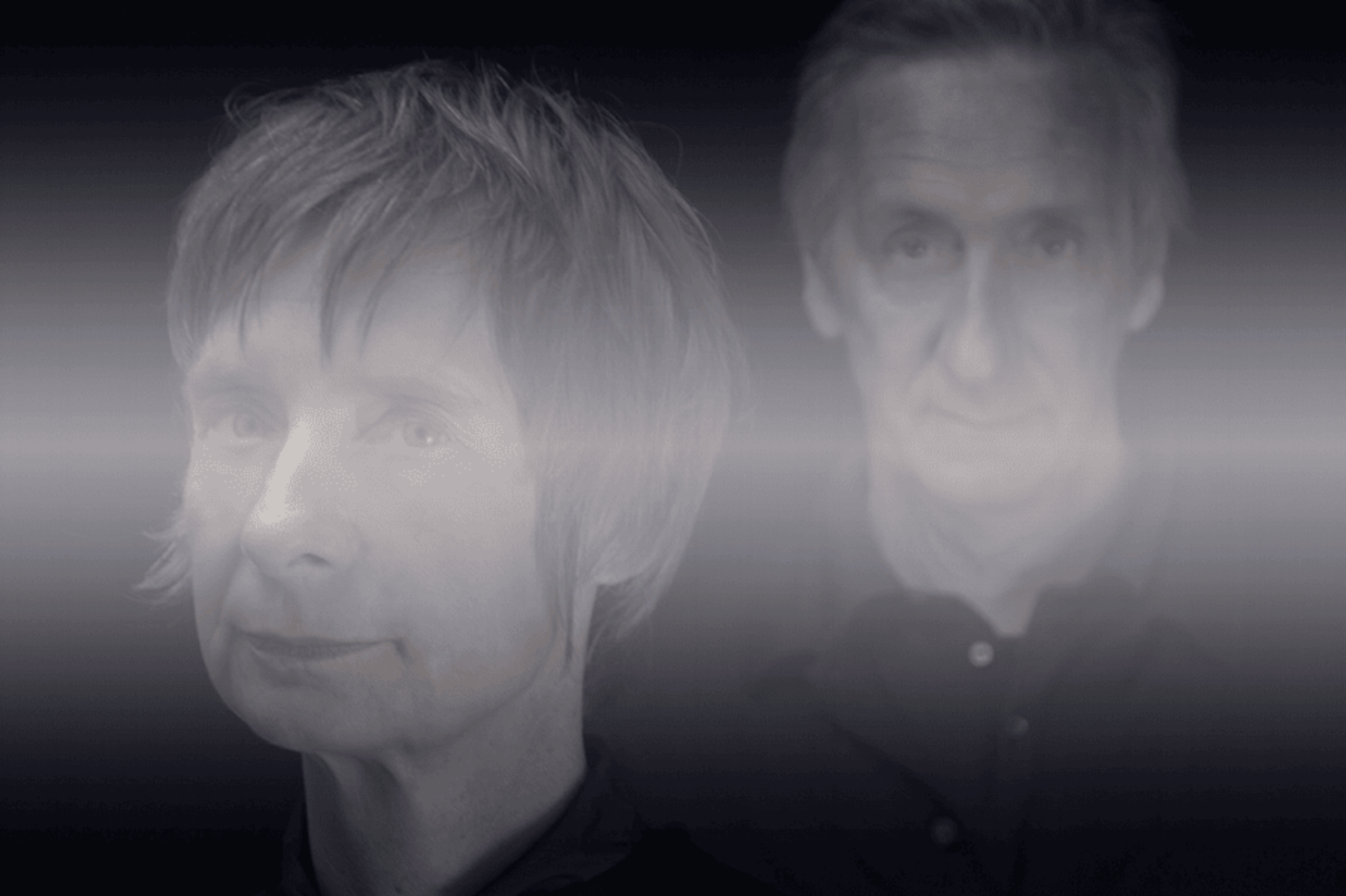
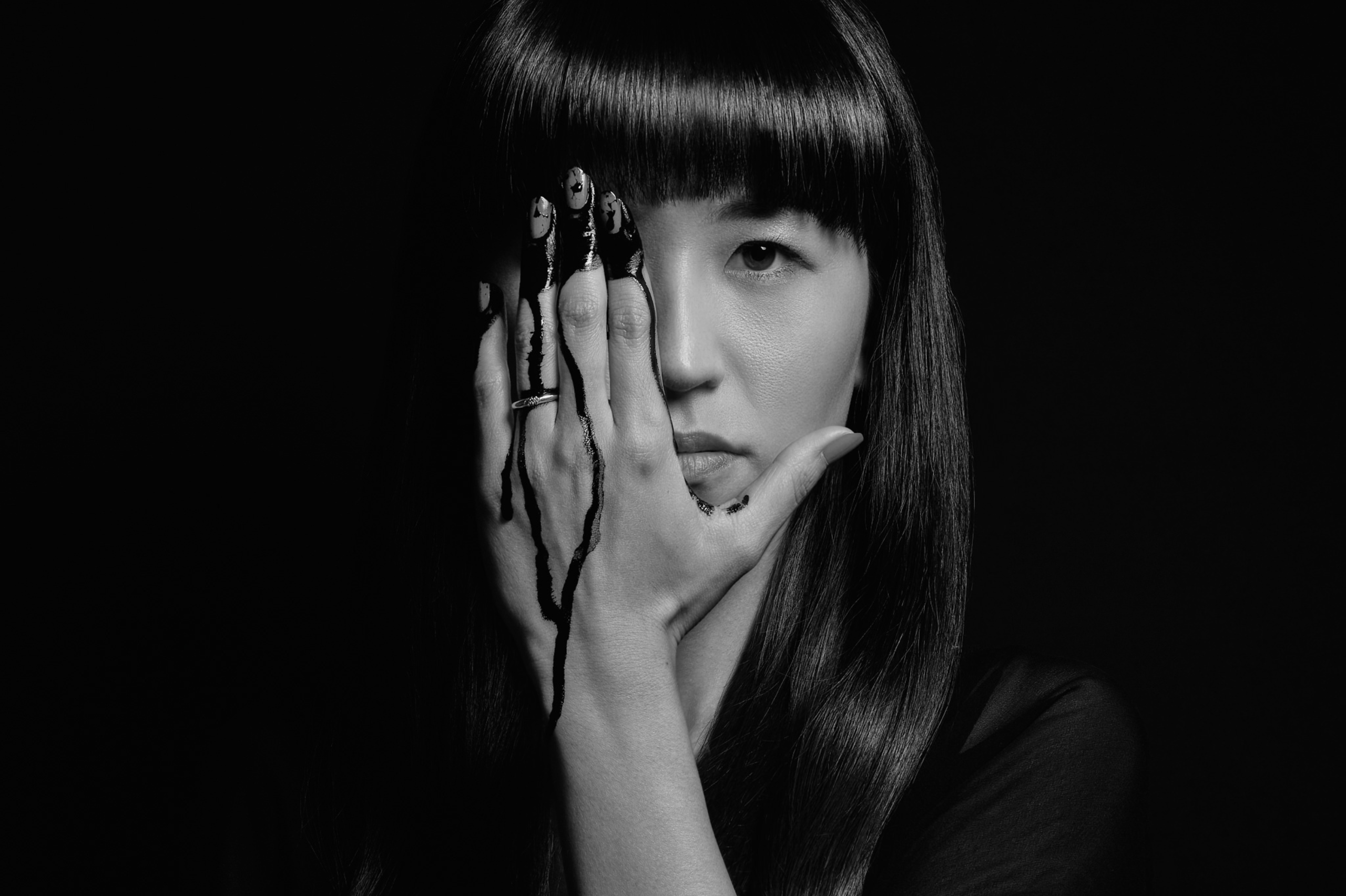
At the heart of the project is the collaboration between electronic music duo Schnitt (Amelie Duchow and Marco Monfardini) and renowned Japanese calligrapher Aoi Yamaguchi. Though at first glance music and calligraphy might seem to exist in separate artistic realms, Calligraton reveals their striking commonalities—both are guided by rhythm, balance, silence, and gesture. The movement of the brush and the flow of ink on paper mirror the structured yet organic nature of electronic sound composition. In this innovative project, the two disciplines enter into conversation, influencing one another, blurring the lines between visual art, sound, and movement.
Shodō, meaning “the way of writing,” is far more than a method of transcribing language. It is an expressive practice where each brushstroke carries the energy and presence of the artist. Writing becomes an act of movement, a physical extension of thought and emotion, much like dance or music. A single character or phrase is not only read for its meaning but felt through the weight, speed, and precision of the strokes. The calligrapher’s posture, breathing, and intent all shape the final form on paper, making the process as significant as the result.
Similarly, electronic music composition is built upon an intricate balance between control and spontaneity. Sounds emerge, evolve, and fade away, just as ink spreads across paper. Silence plays an essential role in both practices—what is left unsaid, the spaces between notes or brushstrokes, can be as powerful as what is made visible or audible.
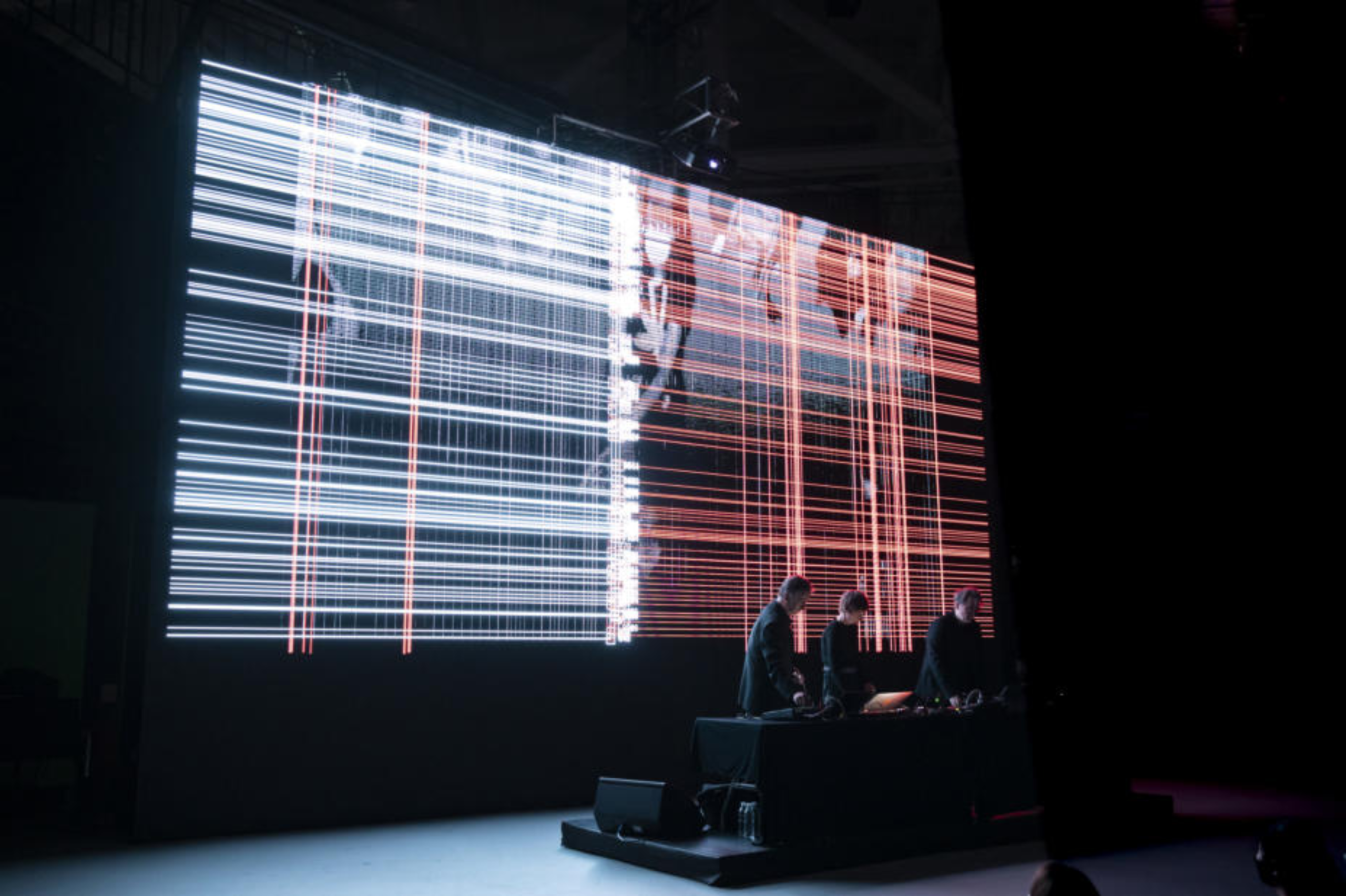
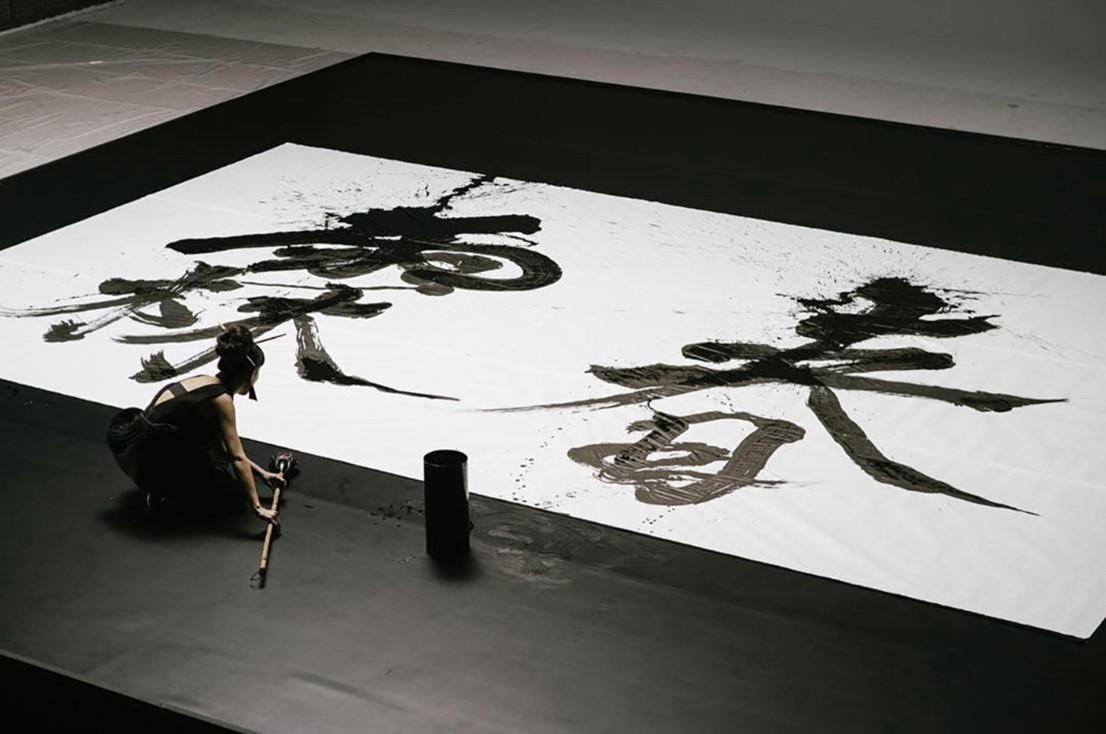
In Calligraton, Schnitt’s live soundscapes interact with Yamaguchi’s calligraphy, reflecting each other’s gestures and creating a multisensory experience where sound becomes visible and writing becomes audible.
The AECFest Residency Programme is providing the artists with the space, time, and resources to explore these ideas in depth. By bringing together creators from different cultural and artistic backgrounds, the residency fosters meaningful exchanges and supports projects that transcend disciplines. The time spent in Italy allows Schnitt and Yamaguchi to experiment refining their performance through improvisation and structured composition.
By merging seemingly distinct practices, Calligraton embodies the essence of cross-cultural artistic exchange, a key mission of the AECFest Residency Programme. It is a meeting point between past and present, between analog and digital, between Asia and Europe.
As Calligraton progresses beyond its research and residency phase, it will continue to evolve into a full-fledged performance, with public presentations planned for the near future. The project’s findings and experiments will inform the final staging, refining the interplay between sound, movement, and ink. Looking ahead, this new production aims to engage audiences in immersive experiences where calligraphy is not just a visual form but a living, breathing act—one that resonates far beyond the page and into new artistic and cultural contexts.
Stay tuned for more updates as Calligraton develops, and join us in celebrating this extraordinary collaboration.