
Ready to increase your impact in Science and Technology Diplomacy?
Join us for our 2026 webinar series to develop your knowledge of Science and Technology Diplomacy in Asia and Europe! As part of the Asia-Europe Training on Science and Technology Diplomacy 2026, we invite you to register for the public webinar sessions below, taking place from 1 September–6 October 2026.
Through a series of expert-led webinars, these online webinars explored key aspects of Science and Technology Diplomacy: how scientific advancements shape international relations; the role of diplomatic efforts in enabling scientific cooperation and progress; how new technologies and innovation is transforming the field; and how personal, cultural, and professional perspective shape the way we communicate in science and technology diplomacy and engage in international collaboration.
The Webinar series starts on Tuesday 1 September, with 6 sessions taking place between September-October 2026, where we deep-dive into the different aspects of Science and Technology Diplomacy. You can explore the sessions below and register for those that interest you.
All webinars will take place between 16:00-17:30 SGT | 10:00-11:30 CEST:
- Webinar 1 | 1 September 2026: Foundations of Science Diplomacy and Regional Perspectives
- Webinar 2 | 8 September 2026: Tech Diplomacy: Emergency and Future Directions
- Webinar 3 | 15 September 2026: Bridging Worlds Through Science Communications
- Webinar 4 | 22 September 2026: From Foresight to Action: Anticipation in Science Diplomacy
- Webinar 5 | 29 September 2026: Intercultural Dimensions and Skills in Science Diplomacy
- Webinar 6 | 6 October 2026: Partnerships and Stakeholder Dynamics in Science Diplomacy
Certificates will be provided for those that attend at least 4 out of 6 webinars.
Read more about each session and watch the full recordings below as they become available!
SESSION 1 | TUESDAY, 1 SEPTEMBER 2026 | Foundations of Science Diplomacy and Regional Perspecives
16:00-17:30 SGT | 10:00-11:30 CEST | Zoom
By the end of this session, you will gain a better understanding of the foundational concepts of Science Diplomacy—how scientific cooperation can strengthen relations between countries (Science Impacting Diplomacy) and how diplomatic frameworks and policies can influence scientific research and collaboration (Diplomacy Impacting Science). The session explores examples from Asia and Europe that illustrate these dynamics in practice, providing insight into how the two dimensions mutually reinforce one another in addressing shared global challenges.
Keynote Presenter & Panellist
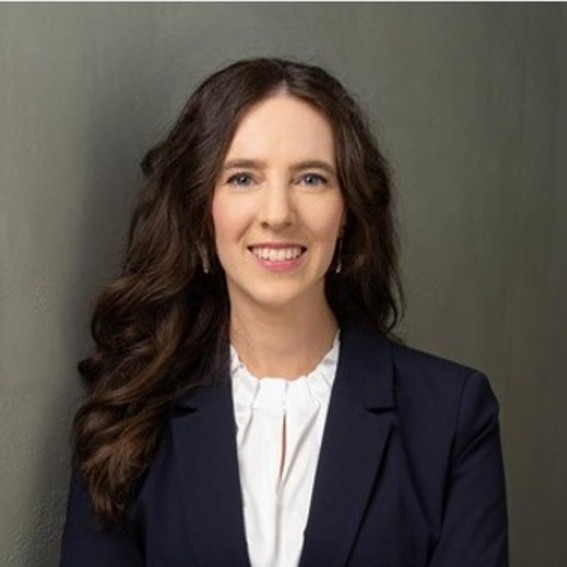
Ms Ronit PRAWER
Director of Regional Focal Point for Asia and the Pacific, International Science Council, Head of International Affairs, Australian Academy of Science
Ms Ronit PRAWER is Head of International Affairs at the Australian Academy of Science, an independent organisation of distinguished Australian scientists championing science for the benefit of all. She also serves the International Science Council as Director of the Regional Focal Point for Asia and the Pacific, a five-year Australian Government-funded programme hosted by the Academy that amplifies Asia-Pacific voices in international scientific dialogue.
Starting her career as a geneticist, Ronit is a distinguished science diplomat and strategic leader advancing the integration of scientific evidence into global policy and cooperation. She has extensive experience managing science partnerships across governments, NGOs, industry and academia. Previously, she was Director, Science and Innovation at the British Consulate in Boston, leading the US–UK bilateral science relationship. A Fellow of the Centre for Science and Policy at the University of Cambridge, she has also contributed to science diplomacy programmes in the Middle East and the Asia Science Mission Program for sustainability.
Ronit’s work is defined by her commitment to fostering collaboration across disciplines, borders and communities to ensure science contributes to sustainable solutions for society’s most pressing challenges.
Panellists
Professor ZAKRI Abdul Hamid stands as a pioneering force in bridging science, policy, and global development. He was the Science Adviser to the Prime Minister of Malaysia for a number of years, and also former Director of the Institute of Advanced Studies, United Nations University. He is the founding Chair of the Intergovernmental Platform on Biodiversity and Ecosystem Services (IPBES), founding members of International Network of Governmental Science Advice (INGSA), and also a former member of the UN Secretary-General’s Scientific Advisory Board.
Professor ZAKRI currently serves as the Founder Chairman and Distinguished Professor for International Institute for Science Diplomacy & Sustainability at UCSI University, Malaysia. Concurrently, he is also one of the Joint-Chair (Government) of the Malaysian Industry-Government Group for High Technology (MIGHT), Chairman of Aerospace Malaysia Innovation Centre (AMIC), Chairman of the Business Council on Sustainable Development Malaysia (BCSD), Chairman of the National Biodiversity Roundtable (NBR), Board of Trustees Member for Amanah Lestari Alam. He has also established Atri Advisory, a consulting company advising governments and international organisations on sustainable development. Academically, he currently holds the positions of Pro-Chancellor namely Universiti Perguruan Sultan Idris (UPSI) in Tanjung Malim.
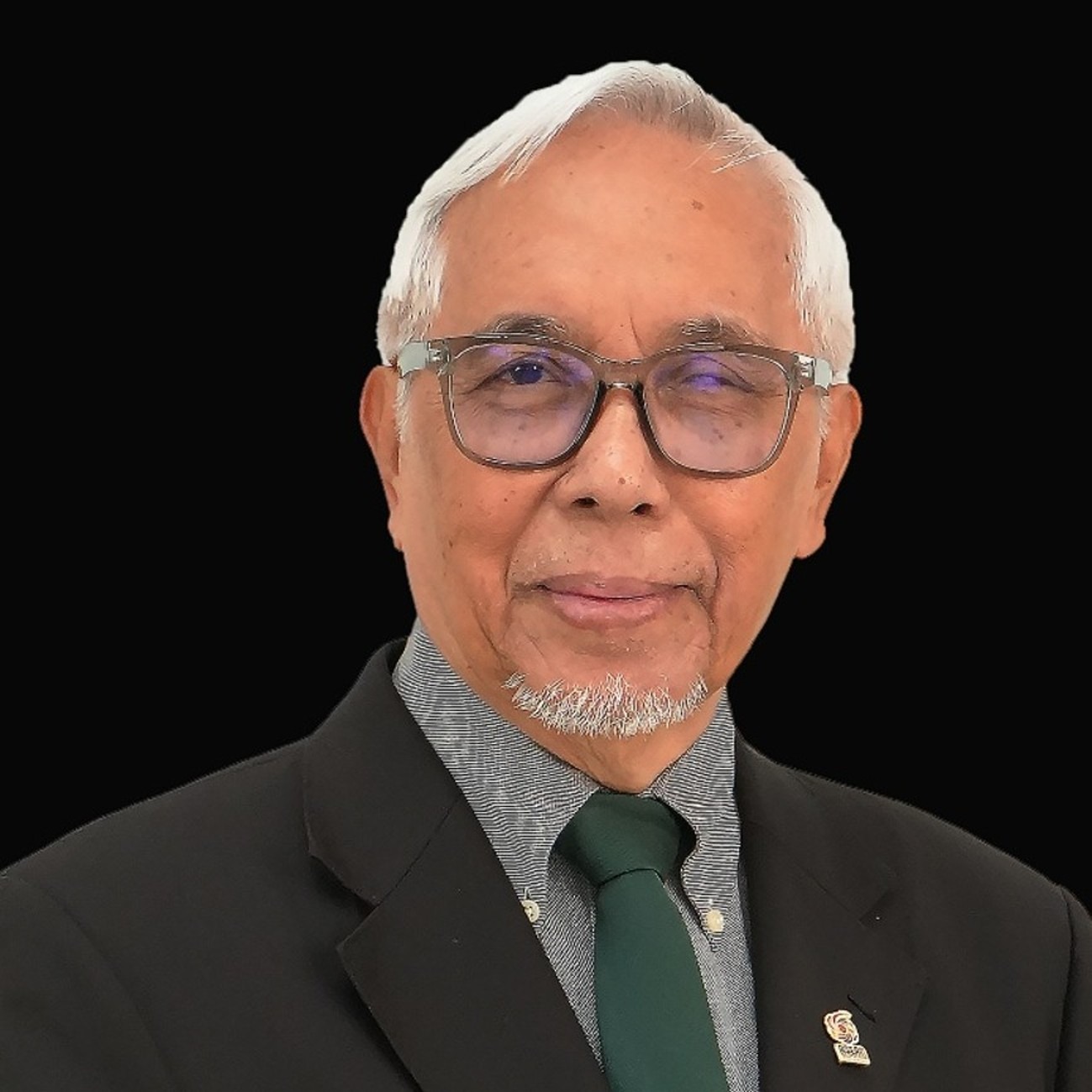
Prof ZAKRI Abdul Hamid
FASc Joint Chairman of Malaysian Industry-Government Group for High Technology (MIGHT), Founder Chairman of Institute for Science Diplomacy and Sustainability (IISDS), UCSI University
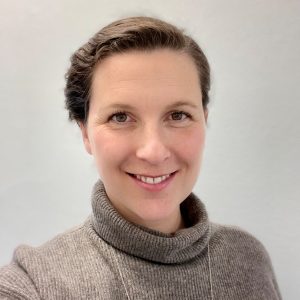
Dr Anne LAUGESEN
Science and Technology Officer, British Embassy Copenhagen
Professor Casper ANDERSEN is Professor of the History of Ideas and Science at Aarhus University in Denmark and Theme Lead for Science Diplomacy at the Aarhus Institute of Advanced Studies (AIAS). He currently serves as Co-Chair of the European Science Diplomacy Alliance for 2026-27. His research focuses on the history of science and technology since 1850. He has published extensively on science in imperial and postcolonial contexts, on the history and politics of UNESCO, and more recently on the history of nuclear weapons.
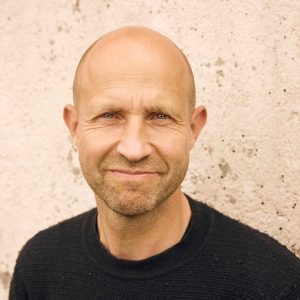
Prof Casper ANDERSON
Professor, Aarhus University, EU Science Diplomacy Alliance
SESSION 2 | TUESDAY, 8 SEPTEMBER 2026 | Tech Diplomacy: Emergence and Future Directions
16:00-17:30 SGT | 10:00-11:30 CEST | Zoom
In this session, we explored the rise of Tech Diplomacy — a new practice at the intersection of technology and global affairs. Experts traced its roots and examined how governments, tech companies, and NGOs now engage through it. The session also connected Science Diplomacy and Tech Diplomacy, offering fresh insights into how diplomacy is evolving in today’s rapidly shifting geopolitical and digital landscape.
Panellists
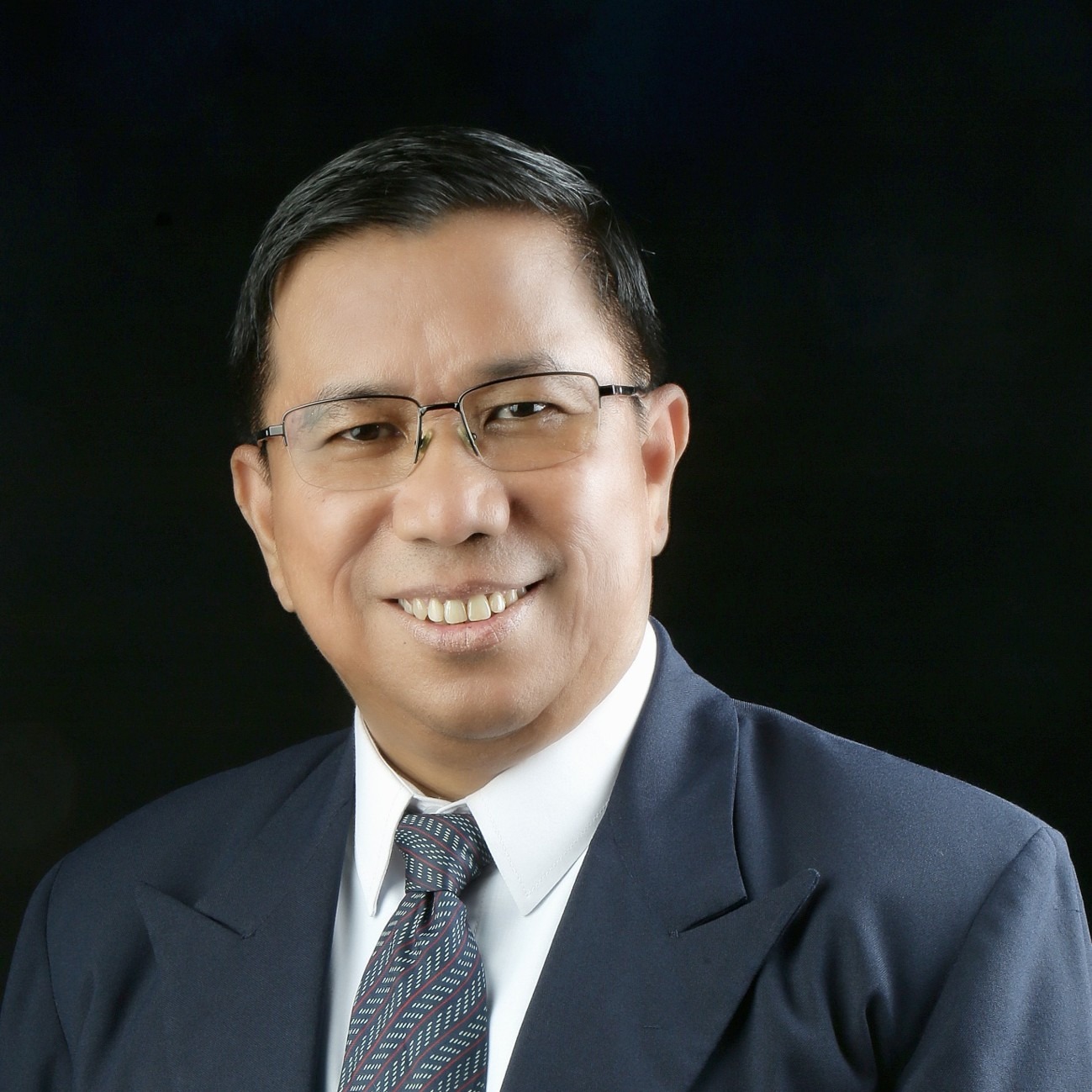
Dr Wahyudi HASBI
Research Professor/Head of Research Center for Satellite Technology, National Research & Innovation Agency (BRIN), Indonesia
Dr Wahyudi HASBI is a Research Professor in Satellite Systems, academic and science and technology policy practitioner with extensive experience in international cooperation in the space sector. He currently leads satellite technology research at Indonesia’s National Research and Innovation Agency (BRIN). He earned his Dr.-Ing. in Satellite Systems, summa cum laude, from Technische Universität Berlin, an M.Sc. in Computer Science from IPB University, and a B.Sc. in Physics from Universitas Hasanuddin. His work covers satellite development, space policy, spectrum and regulatory affairs, and science diplomacy. He has represented Indonesia in regional and international forums, including the Asia-Pacific Telecommunity, IEEE and the International Academy of Astronautics, and actively promotes collaboration among research institutions, universities, governments and international partners.
Mr Chris LECK is a Senior Adviser at Singapore’s Agency for Science, Technology & Research (A*STAR), where he supports A*STAR’s international partnerships and scientific diplomacy efforts. He serves concurrently as Group Chief Technology Officer at the Public Sector Science & Technology Policy & Plans Office, a department of the Prime Minister’s Office, Singapore, that is responsible for S&T masterplanning, driving strategic S&T programmes and innovation, and workforce development for the 17,000-strong public sector S&T workforce. Other senior appointments he held in the past include Deputy Executive Director, Office for Space Technology & Industry (Singapore’s then-national space office), Director (Futures & Transformation), Ministry of Transport, and Director (Strategic & Political-Military Planning), Ministry of Defence.
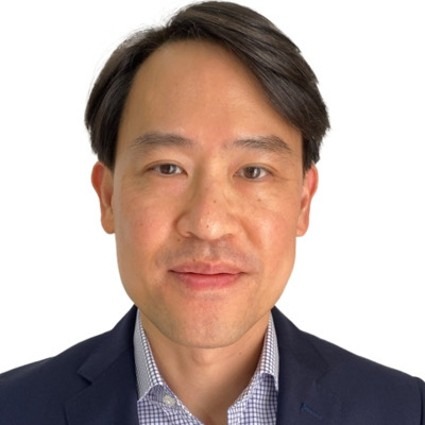
Mr Chris LECK
Senior Advisor, Agency for Science, Technology and Research (A*STAR), Singapore
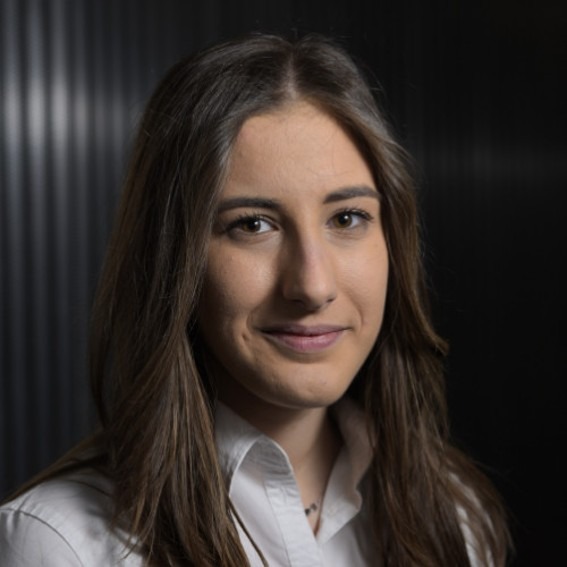
Dr Stefania Pia GROTTOLA
Tech Diplomacy Expert and Researcher, EDFL EssentialTech Centre
Dr Stefania Pia GROTTOLA is a digital policy expert specialising in cyber and tech diplomacy, working at the intersection of policy and technology in international and multi-stakeholder environments. She has previously worked with institutions such as the CyberPeace Institute, DiploFoundation, and the Geneva Internet Platform. She holds a PhD in International Relations from the University of Geneva and her research interest focuses on how emerging technologies are reshaping diplomacy, peacebuilding, and international cooperation. She now works as a project coordinator for the EPFL EssentialTech Centre.
Moderator
Dr Katharina HÖNE is a researcher and advisor specializing in diplomacy, international relations, and the intersection of digital technology and global governance. She is currently Scientific Advisor at the German Aerospace Center (DLR) Project Management Agency, and previously served as Director of Research at DiploFoundation. Her expertise encompasses science diplomacy, data governance, and the ethical implications of artificial intelligence for foreign policy and diplomatic practice. Dr. Höne has delivered presentations and training for organizations such as the African Union, the European External Action Service, and several foreign ministries worldwide. She holds a PhD in International Politics from Aberystwyth University and an MA in diplomatic studies from the University of Leicester.

Dr Katharina HÖNE
Scientific Advisor, German Aerospace Center (DLR) – Project Management Agency
SESSION 3 | TUESDAY, 15 SEPTEMBER 2026 | Bridging Worlds Through Science Communication
16:00-17:30 SGT | 10:00-11:30 CEST | Zoom
This session introduced the principles and practice of effective science communication—how to translate complex ideas clearly, credibly, and accurately with diverse audiences. Experts discussed why communication matters in today’s information landscape and showcase examples from Asia and Europe that demonstrate how effective science communication can bridge science, policy, and society, as well as foster understanding and build trust.
Keynote Presenter
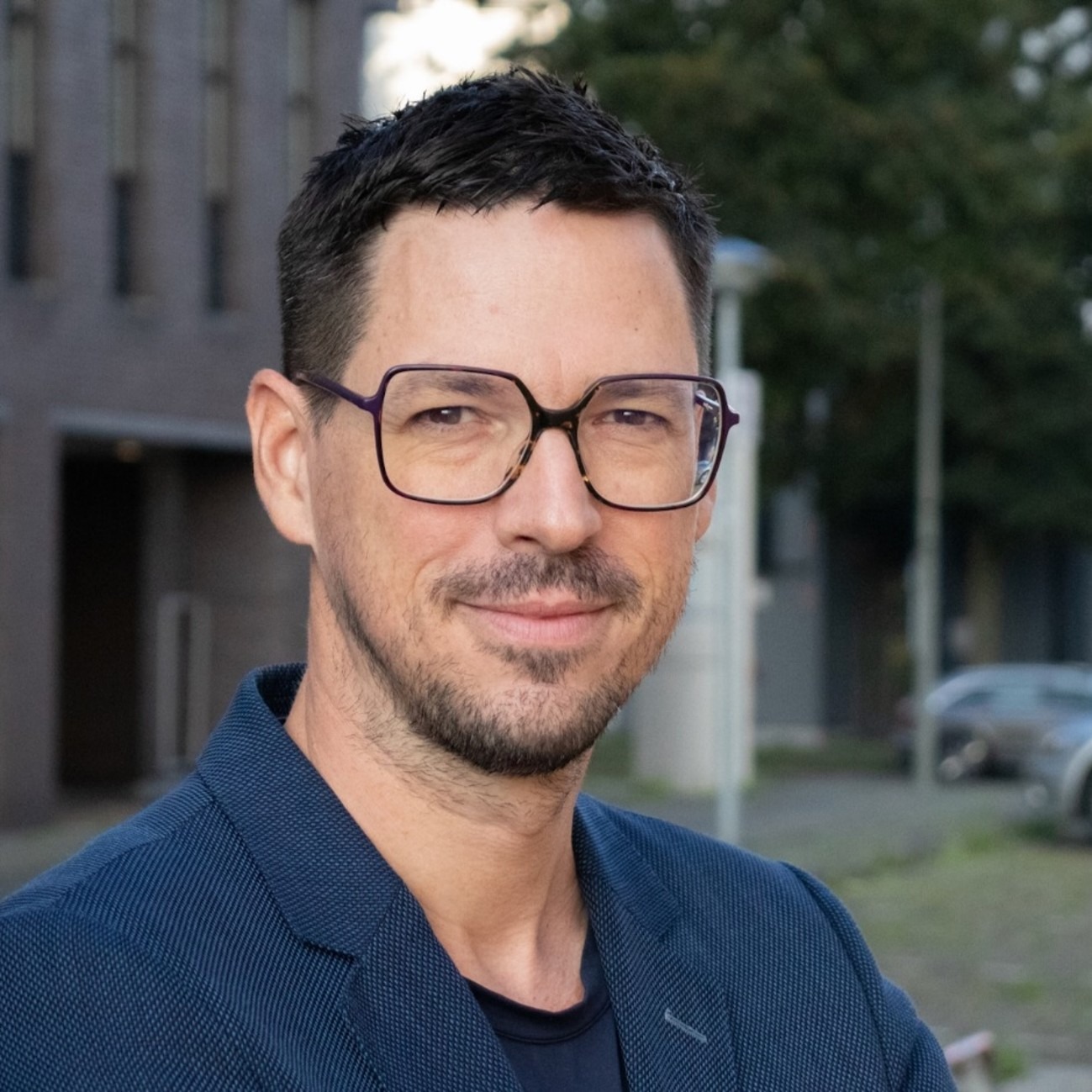
Prof Renaud Blaise JOLIVET
Full Professor, Chair of Neural Engineering & Computation, Maastricht University
Professor Renaud B. JOLIVET is Professor of Neural Engineering & Computation at the Maastricht Centre for Systems Biology and Bioinformatics at Maastricht University. His work focusses on NeuroAI and neurotechnologies to interface with brain tissue. Prior to working in the Netherlands, Renaud has worked in Switzerland, Japan and the UK. He has previously served on the boards of the Initiative for Science in Europe, Marie Curie Alumni Association and Organization for Computational Neuroscience, and was a 2023 Neurotech Fellow of the Foresight Institute, the inaugural Chair of the Science & Technology Committee of EBRAINS, and a stakeholder representative for individual researchers and innovators at the European Commission’s ERA Forum. He is a recipient of the Marie Curie Alumni Association Career Award (2022), of the André Mischke Young Academy of Europe Prize for Science and Policy 2023, and a current Fellow of the International Science Council and of the Geneva Centre for Security Policy.
Panellists
Dr Vivi STAVROU is a science policy and diplomacy expert with a background in clinical psychology and development work. She has extensive international experience working with academic institutions, the UN, development agencies and government ministries in the areas of risk reduction and response related to disasters and humanitarian emergencies; post-conflict Disarmament, Demobilisation and Reintegration; science research management and policy, science diplomacy, child protection; psychosocial programming; academic freedom and human rights. Vivi has recently left full-time work and her position as senior science officer at the International Science Council and executive secretary of the ISC Committee for Freedom and Responsibility in Science.
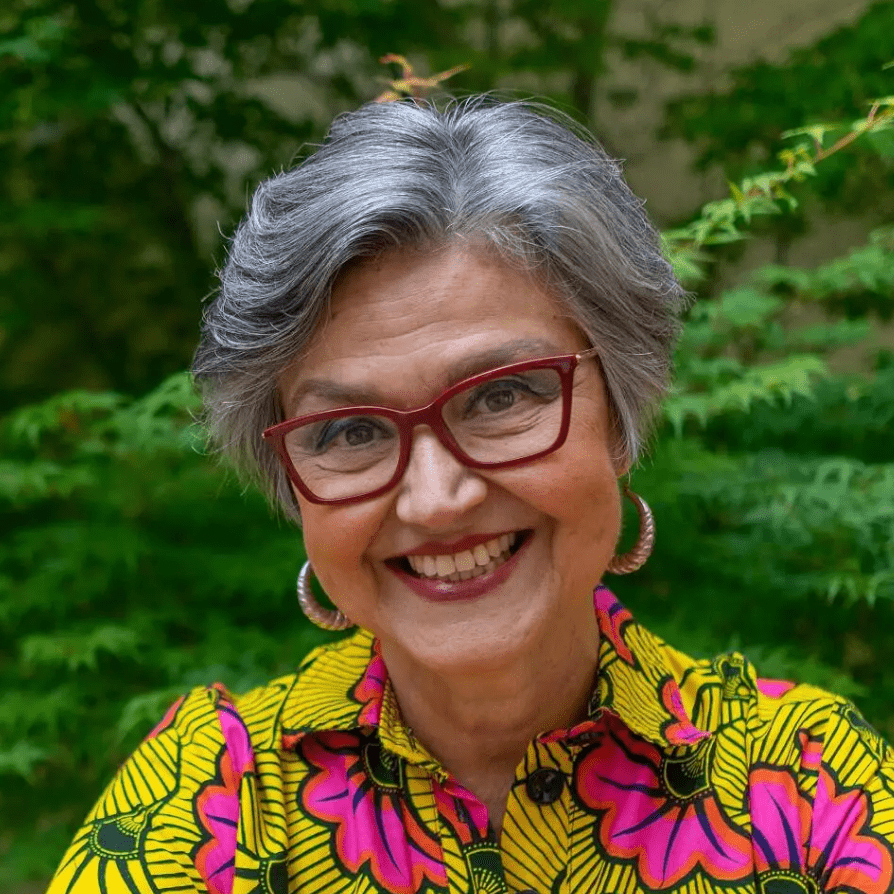
Dr Vivi STAVROU
Senior Advisor & Consultant, International Science Council
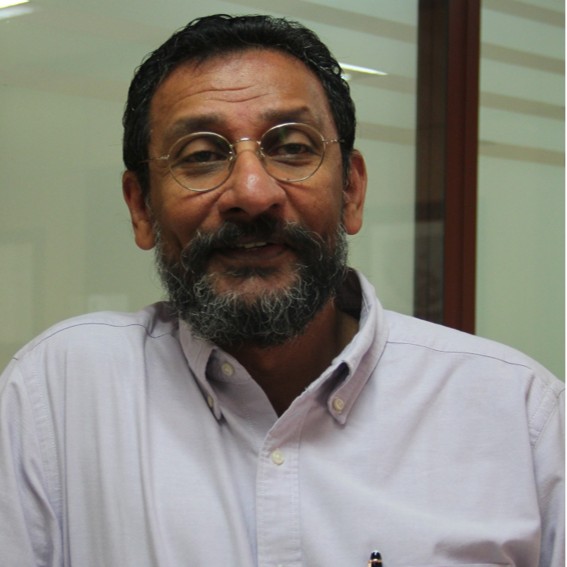
Prof Anantha Kumar DURAIAPPAH
Adjunct Professor, UCSI-IISDS, Inaugural Director of UNESCO Mahatma Gandhi Institute of Education for Peace and Sustainable Development (MGIEP)
Professor Anantha DURAIAPPAH is the inaugural director of UNESCO MGIEP in New Delhi, India—UNESCO’s first category one institute in the Asia-Pacific region. His vision was to build the competencies of empathy, compassion, critical inquiry and emotion regulation as foundations for learning to learn. He is a strong believer in AI for good and believes that the personalization of learning to build a learner’s potentiality is a human right. He is a fellow of The World Academy of Sciences as well as a Fellow of the World Academy of Arts and Sciences. Professor Duraiappah, received his PhD in economics from the University of Texas in Austin, USA. He has authored numerous books and journal articles. He was the Co-Chair of the Biodiversity Synthesis Group of the Kofi Anna commissioned Millennium Ecosystem Assessment and founding director of the Inclusive Wealth Report released at the Rio+20 Summit in 2012. Duraiappah is presently focusing on researching and exploring how “Firing Gandhi Neurons” can be integrated into the educational curricular of the formal, informal and non-formal education systems around the globe.
Dr Dwie Irmawaty GULTOM is a science communication and diplomacy professional at Indonesia’s National Research and Innovation Agency (BRIN). She specializes in the intersection of science, technology, policy, and international relations. Her work focuses on science diplomacy for nuclear applications and technologies for peaceful purposes, emphasizing their roles in fostering international cooperation, informing evidence-based policy, and addressing global challenges. She possesses expertise in science communication, particularly in disaster management, and has experience in science diplomacy related to outer space. Gultom has facilitated dialogue among scientists, policymakers, diplomats, and international stakeholders to enhance the integration of scientific knowledge into foreign policy and international collaboration.
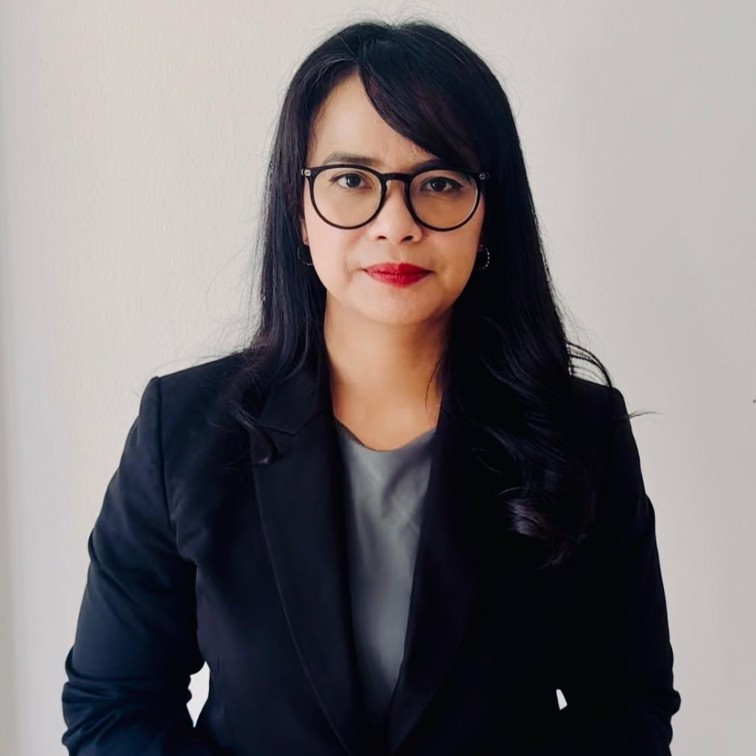
Dr Dwie Irmawaty GULTOM
Science and Technology Utilization Analysis, National Research & Innovation Agency (BRIN), Indonesia
SESSION 4 | TUESDAY, 22 SEPTEMBER 2026 | From Foresight to Action: Anticipation in Science Diplomacy
16:00-17:30 SGT | 10:00-11:30 CEST | Zoom
By the end of this session, you will gain a better understanding of the concept of Anticipation in Science Diplomacy: how the future can be used to build the present with foresight-driven approaches, strategic thinking, and anticipatory leadership. We explored how anticipation enables science diplomacy actors to identify early signals of change, build flexible strategies, and co-create resilient science-policy ecosystems. Examples from Asia and Europe illustrated how these anticipatory practices are being integrated into policy, research collaboration, and international dialogue.
Keynote Presenter
Dr Marga Gual Soler is Executive Director for Capacity and Leadership at GESDA and a pioneer in building science diplomacy as a field of research, policy, and education worldwide. She previously founded SciDipGLOBAL, an advisory, strategy, research, and training firm that helps governments, universities, international organizations, and scientific institutions strengthen the role of science in global policy. She serves as senior science diplomacy advisor to the Inter-American Institute for Global Change Research and is a member of the Scientific and Diplomatic Taskforce of the Square Kilometre Array Organisation. Marga previously served as senior project director at the AAAS Center for Science Diplomacy, where she developed a global education and training program in science diplomacy and helped rebuild scientific cooperation between the United States and Cuba after the 2015 diplomatic normalization. She has advised former EU Commissioner for Research & Innovation Carlos Moedas, contributed to the S4D4C Horizon 2020 project, and is a founding member of the EU Science Diplomacy Alliance. She holds degrees in biology from the University of Barcelona, a PhD in Molecular Cell Biology from the University of Queensland, and executive education certificates from Georgetown University and Harvard Kennedy School.
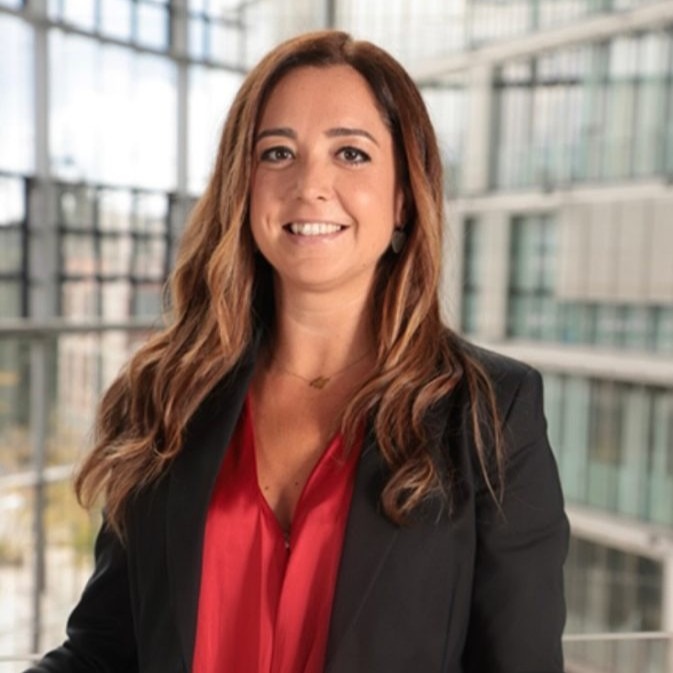
Dr Marga GUAL SOLER
Executive Director, Capacity and Leadership, Geneva Science and Diplomacy Anticipator (GESDA)
Panellists
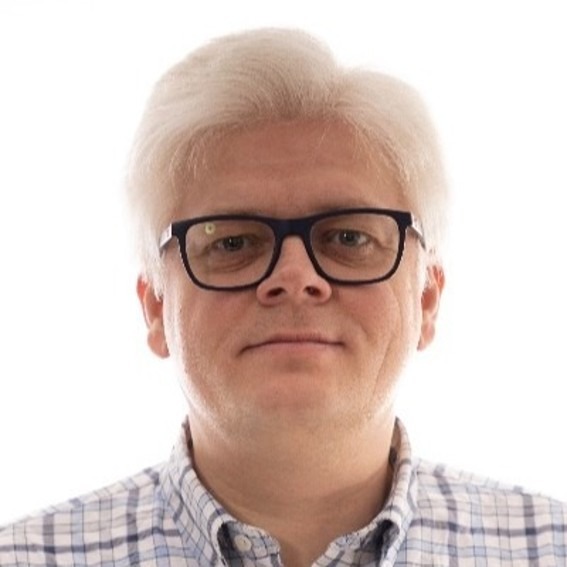
Prof Rasmus Gjedssø BERTELSEN
Professor of Northern Studies, Inaugural Barents Chair in Politics, The Arctic University of Norway (UiT)
Professor Rasmus Gjedssø Bertelsen is Professor of Northern Studies and Barents Chair in Politics at UiT The Arctic University of Norway, and served as Nansen Professor of Arctic Studies at the University of Akureyri (2022–2023). A Danish political scientist deeply committed to the North Atlantic and Arctic, his research spans Arctic international relations, political economy, science diplomacy, geopolitics, and the Arctic’s role in global governance. An active teacher and academic leader, he coordinates Arctic-focused courses and contributes to European science diplomacy strategy. Bertelsen’s career includes posts at Harvard, UN University, and Aalborg University, with academic training in Copenhagen, Reykjavik, Lausanne, Geneva, Amsterdam, and a PhD from Cambridge.
Dr Yuko HARAYAMA is the Secretary General of the Tokyo Centre of the Global Partnership on AI (GPAI) Expert Community, where she leads international collaboration on AI governance and policy. She currently serves as a trustee of Yamaguchi University and as a board member of Toray Industries.
Dr. Harayama brings extensive experience in science policy and international affairs to her leadership roles. She previously served as Executive Director for International Affairs at RIKEN and held senior positions in the Japanese government as an Executive Member of the Council for Science, Technology and Innovation (CSTI) in the Cabinet Office. Her international expertise was further developed during her tenure as Deputy Director of the Directorate for Science, Technology and Industry (DSTI) at the OECD. She also spent a decade as a professor at Tohoku University’s Graduate School of Engineering.
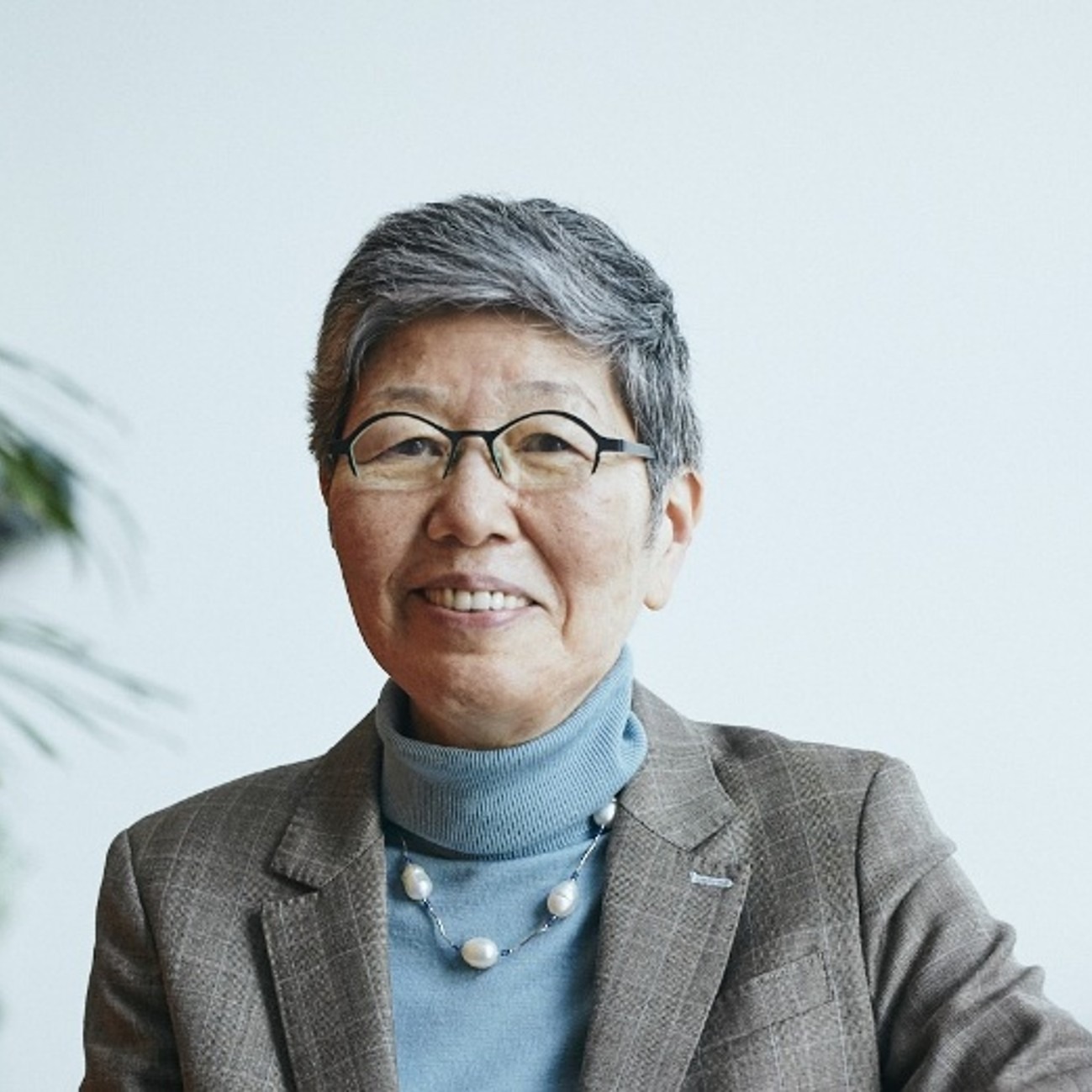
Dr Yuko HARAYAMA
Secretary General, Tokyo Centre of the GPAI Expert Community
Mr Rushdi Abdul RAHIM
President & Chief Executive Officer, the Malaysian Industry-Government Group for High Technology (MIGHT)
Rushdi Abdul Rahim is President & Chief Executive Officer at the Malaysian Industry-Government Group for High Technology (MIGHT), a policy think tank under the Prime Minister’s Department, and Director of myForesight®, the Malaysian Foresight Institute. He leads national foresight, trend, and horizon scanning initiatives, working with public and private sector organisations to explore emerging disruptions and their long-term implications. His work focuses on strengthening strategic anticipation and enabling institutions to better prepare for future challenges.
Rushdi has led major foresight projects shaping Malaysia’s national policies, including Youth Defined–Shape the Future, Future Rail 2030, the Future of Malaysian Public Service (with UNDP and JPA), and the Future of Work. He also played a key role in developing Malaysia’s Industry4WRD framework and the National Anti-Corruption Plan, and co-chaired the NSRC working committee on technology prioritisation for R&D. He has been recognised internationally as one of 25 featured futurists in Leading Thoughts: How to Use a Futurist.
SESSION 5 | TUESDAY, 29 SEPTEMBER 2026 | Intercultural Dimensions and Skills in Science Diplomacy
16:00-17:30 SGT | 10:00-11:30 CEST | Zoom
By the end of this session, you will deepen your understanding of how individual values, life experiences, and unconscious biases shape perceptions and interactions within the field of science diplomacy. Experts shared their own learnings from working in intercultural setting and encourage you to notice how worldviews influence collaboration, equipping you to engage more thoughtfully and responsively in diverse intercultural contexts.
Keynote Presenter
Ms Réka TÓZSA, a Hungarian national, joined ASEF in 2017 and became Director of Education Department in June 2022. In this capacity she coordinates the youth, secondary school teacher and higher education policy projects of ASEF, which include high level forums, policy dialogues, and capacity building trainings.
Prior to joining ASEF, Reka was the Head of International Office at the University of Public Service in Hungary, and a government official, appointed to Chief of Cabinet of the Deputy State Secretary for Higher Education and to staff member of the Hungarian EU Presidency.
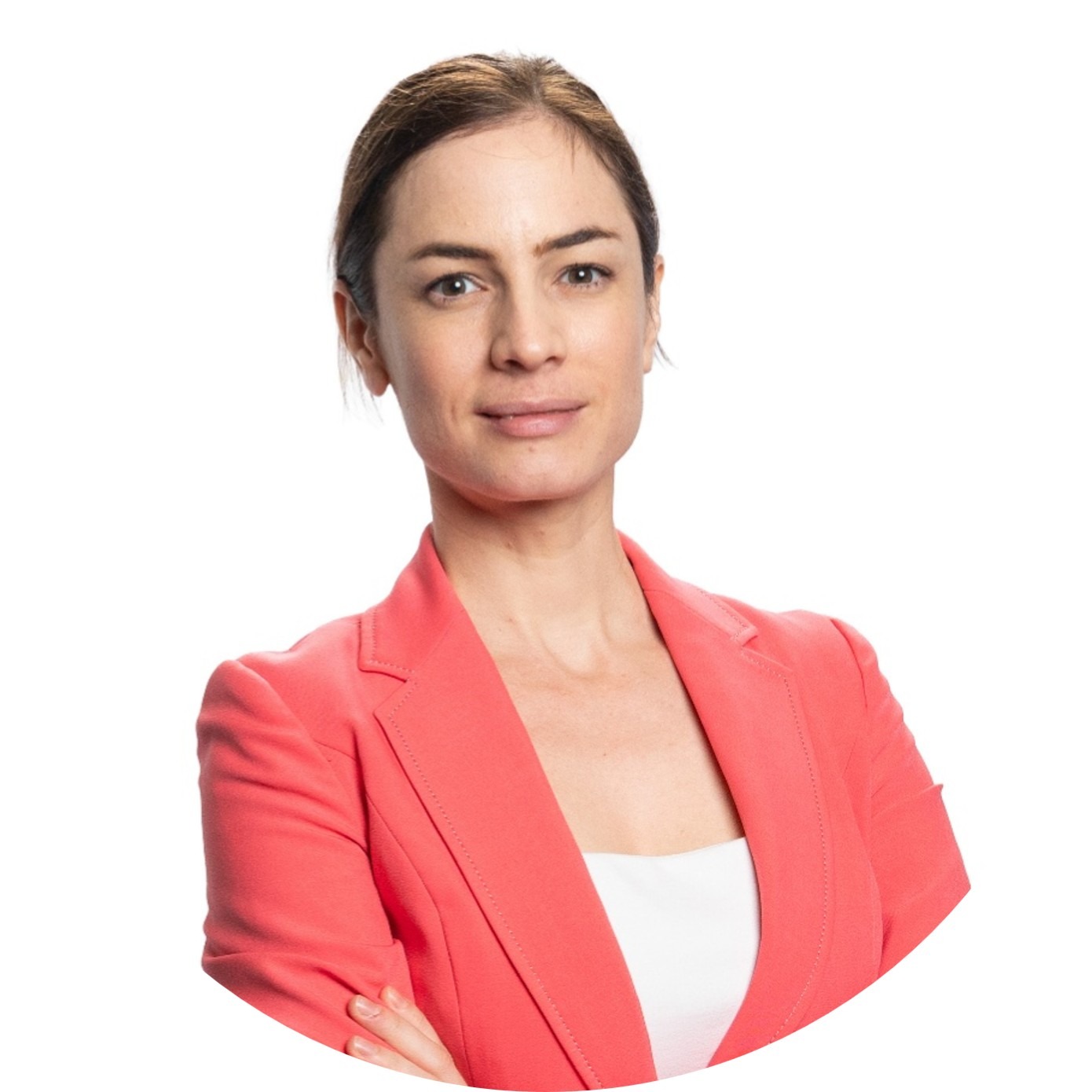
Ms Reka TÓZSA
Director of Education Department, Asia-Europe Foundation (ASEF)
Panellists
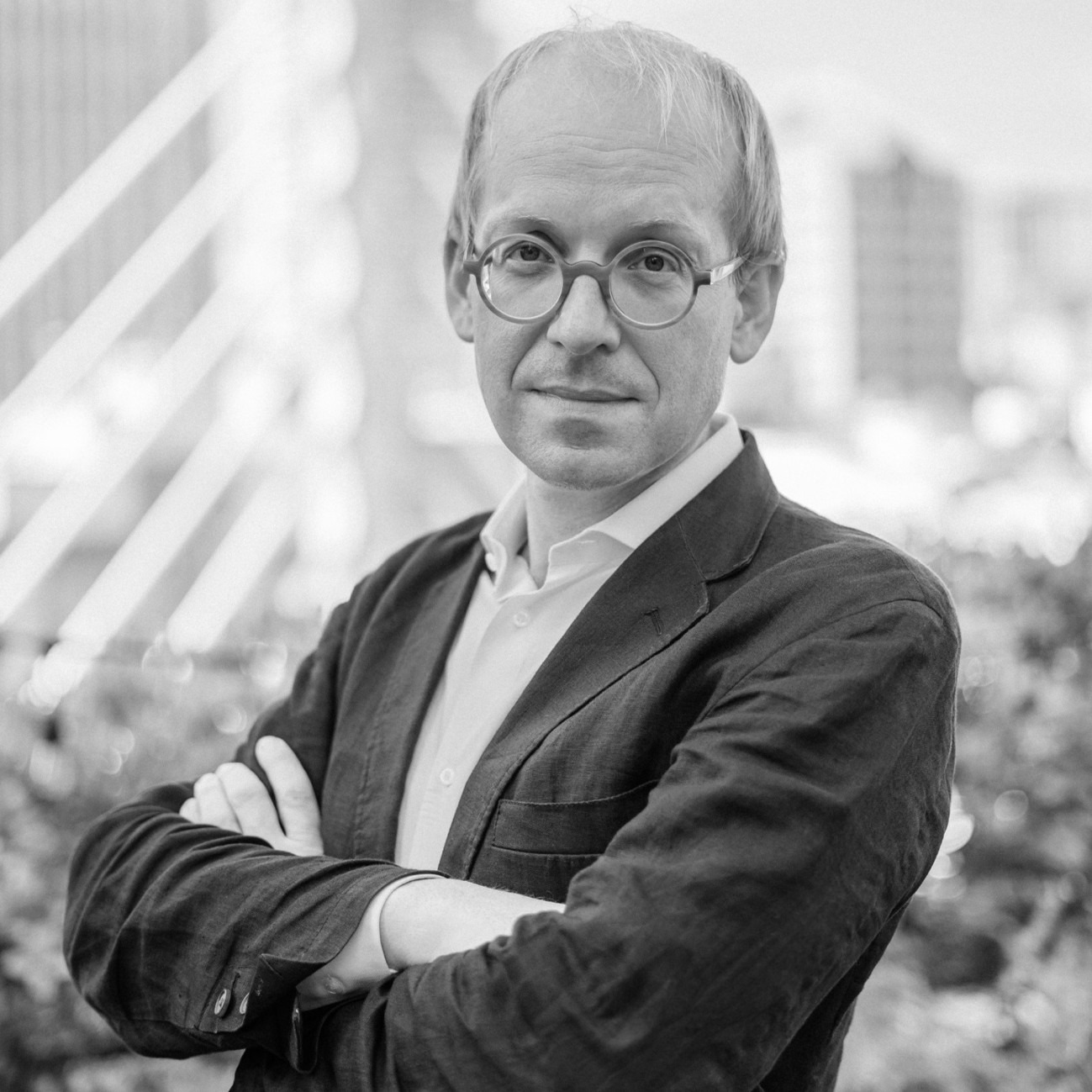
Mr Martin RAUCHBAUER
Austrian Career Diplomat, Former Tech Ambassador of Austria to Silicon Valley, Founder of the Tech Diplomacy Network, Austria
Mr Martin RAUCHBAUER is an Austrian diplomat with over 20 years of experience in international relations, cultural policy and technology policy. As Austria’s first Tech Ambassador in Silicon Valley, he helped shape the emerging field of tech diplomacy and worked to foster closer dialogue between governments, civil society and major technology companies. He was a co-founder of the Tech Diplomacy Network in Silicon Valley and worked on issues such as digital human rights, transatlantic digital policy and Digital Humanism as part of Austrian foreign policy. Alongside his diplomatic career, he connects technology with art, culture and environmental questions, and has published and lectured internationally on these themes. Most recently he served as Executive Director of the Djerassi Resident Artists Program in California, one of the world’s leading artist residencies. His education included Johns Hopkins University, where he earned a Master of Arts.
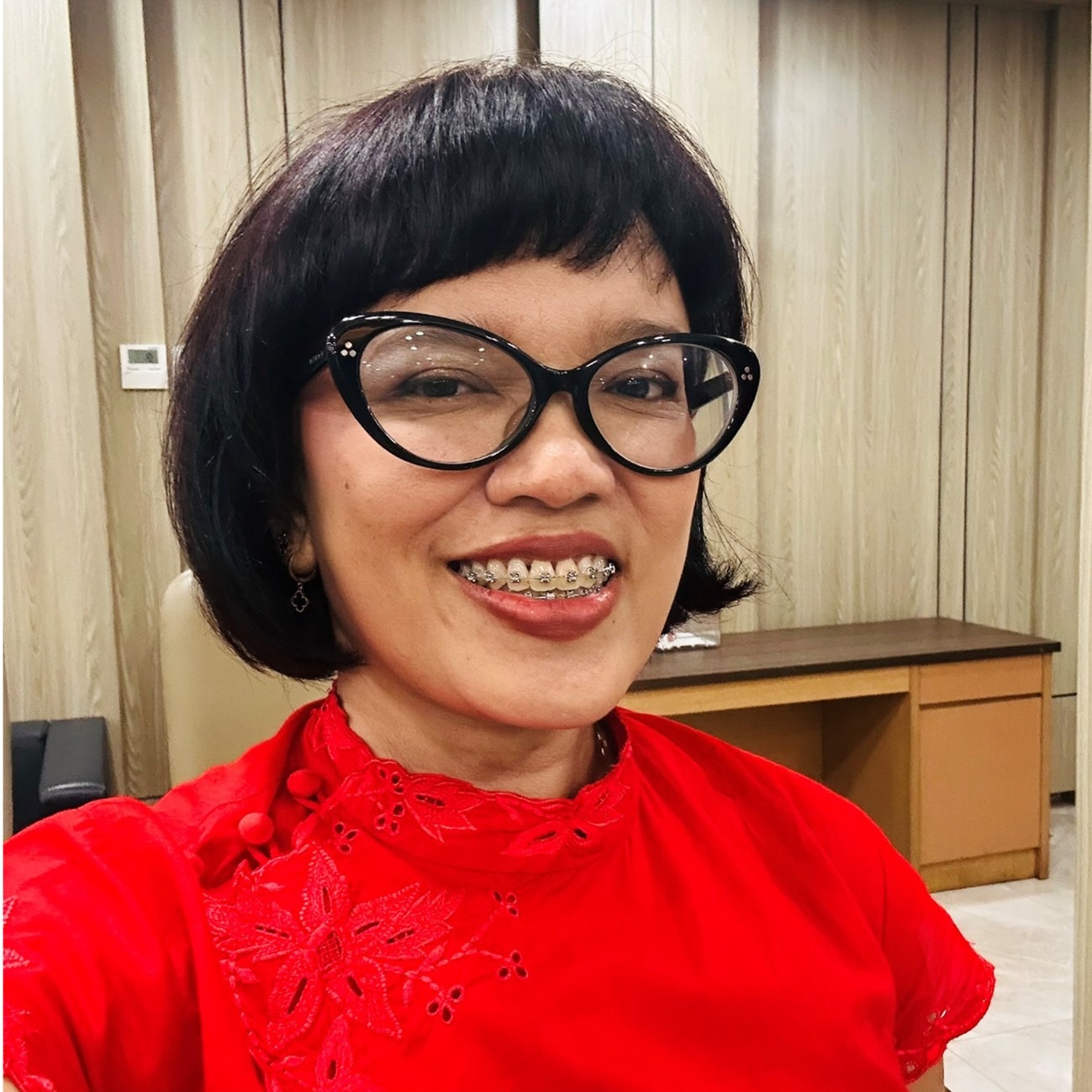
Dr Irine Hiraswari GAYATRI
Senior Researcher, National Research & Innovation Agency (BRIN), Indonesia
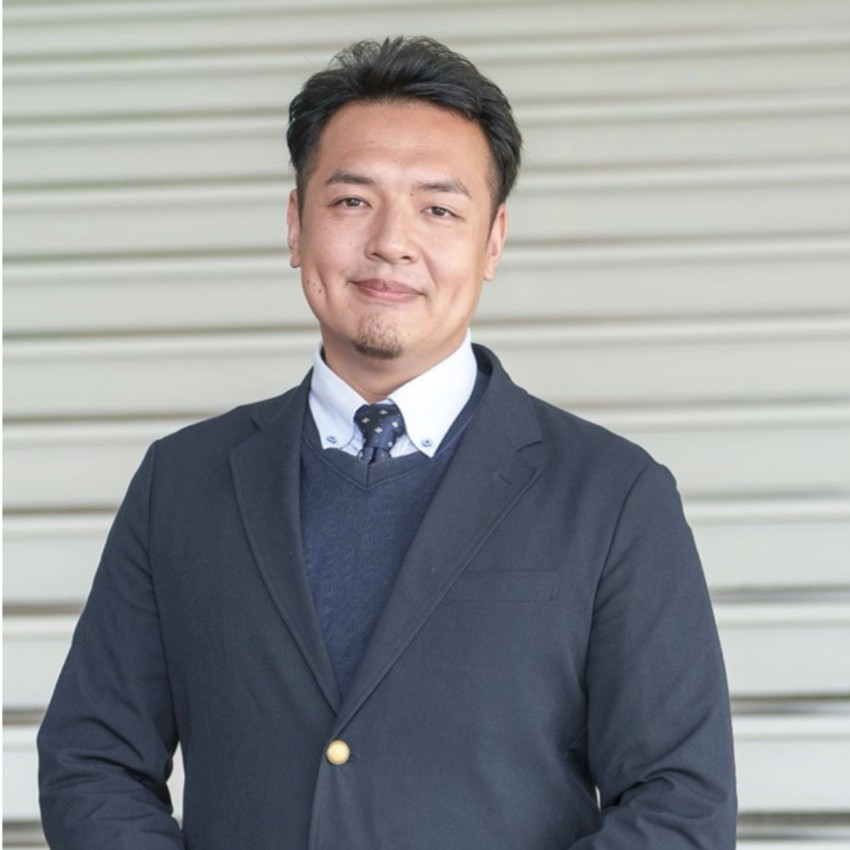
Dr Curtis CHU
Associate Professor, Setsunan University, Executive Team, World Council on Global and Intercultural Competence
Dr Curtis CHU is an associate professor in the Faculty of International Studies at Setsunan University, Japan. As an interculturalist who lived in four countries, he is fascinated with differences across cultures and is fluent in Cantonese, Chinese Mandarin, English, and Japanese. He accumulated extensive experience in designing, implementing, and coordinating virtual exchange projects focused on cultivating intercultural and global competencies. Curtis is a virtual exchange design and assessment specialist on the Beliefs, Events, and Values Inventory (BEVI) team, and also a member of the Executive Team on the World Council on Intercultural and Global Competence.
Moderator
Ms Elaine YEAP is a multidisciplinary professional working at the intersection of science, technology, healthcare, policy and diplomacy. She brings 8 years of experience across healthcare, public affairs, market access, strategy, digital transformation and international stakeholder engagement across Asia and Europe. She holds a bachelor’s degree in engineering, a master’s degree in Management and a master’s degree in Politics and Technology, providing her with a strong foundation across technical, business and policy domains. She previously served as Public Affairs Manager for Malaysia, Singapore and Thailand at Sanofi, where she worked on healthcare policy, vaccine communication, rare disease access, non-communicable diseases and public-private stakeholder partnerships. Currently based in Munich, she works at Infineon Technologies, supporting global leadership engagement, transformation initiatives and AI capability-building. She has also contributed to Asia-Europe science and technology diplomacy initiatives through ASEF, including ASEFYLS5 in 2023, ASEF S&T diplomacy work in 2024 and serving as a Navigator for ASEFYLS6 in 2025. Her intercultural and multidisciplinary experience enables her to connect healthcare, technology, policy and diplomacy to advance inclusive innovation and societal impact.
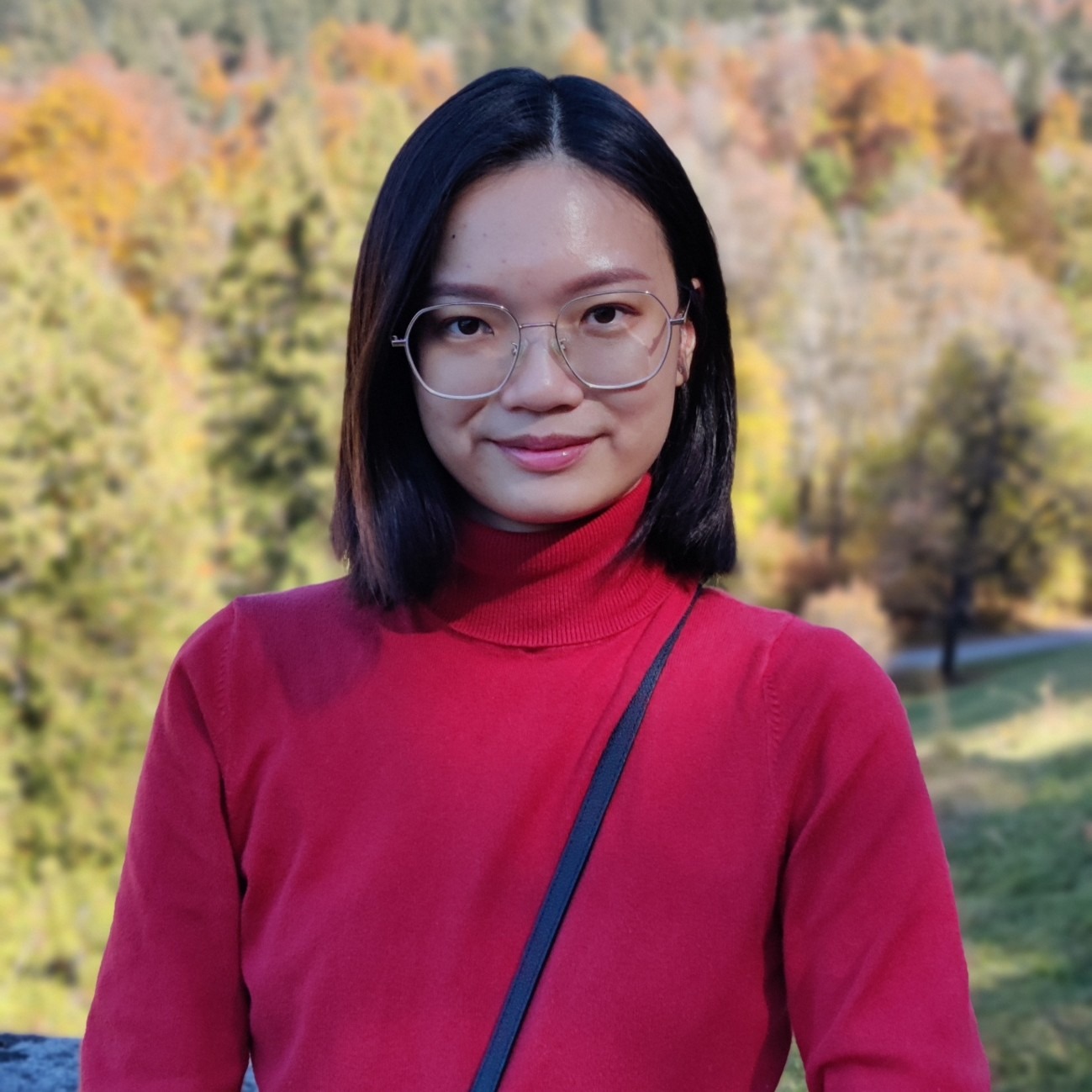
Ms Yi Ling YEAP (Elaine)
Senior Project Officer, Infineon Technologies
SESSION 6 | TUESDAY, 6 OCTOBER 2026 | Partnerships and Stakeholder Dynamics in Science Diplomacy
16:00-17:30 SGT | 10:00-11:30 CEST | Zoom
Science diplomacy thrives on collaboration across sectors, disciplines, and borders. This session explores what makes partnerships successful in this complex environment—how diverse professional cultures, values, and motivations influence cooperation, and how effective stakeholder engagement strategies help align goals. Participants will gain insights into real examples of partnership dynamics in Asia and Europe, learning how trust, communication, and mutual understanding underpin successful science–diplomacy initiatives.
Keynote Presenter
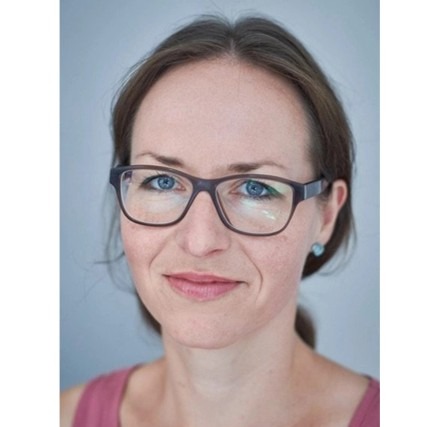
Dr Charlotte RUNGIUS
Senior Researcher, Project Manager, Centre for Social Innovation (ZSI)
Dr Charlotte RUNGIUS works as a social scientist and senior project manager at the Center for Social Innovation (ZSI) in Vienna, specializing in EU/EC-related service projects in international science policy with a focus on science diplomacy, research securtiy and multilateral dialogue.
She holds a B.Sc. in economics from the University of Mannheim and Bilkent University, Ankara (Turkey) and a M.A. in International Relations and Conflict Studies. During her M.A. she specialized in the Sociology of Scientific Knowledge and graduated in Peace and Conflict Studies from Augsburg University and the School of International Service (SIS), American University in Washington, DC. She earned a Ph.D. in science studies from the University of Augsburg (Faculty of Philosophy and Social Sciences), with research and work stays at the University of Innsbruck (Austria) and Humboldt University in Berlin.
Panellists
Dr Leah J. BUENDIA is the current Undersecretary for Research and Development of the Department of Science and Technology (DOST). Prior to being an Undersecretary, she became the first Assistant Secretary for International Cooperation of the Department from 2016 to 2022. She was also elected Vice Chair for Asia Pacific at the UN Commission on Science and Technology for Development in 2024, representing Philippine leadership in STI policy.
As the Undersecretary for Research and Development, Dr. Buendia supports the leadership of the DOST in advancing science, technology and innovation (STI) in the country and in ensuring that the results therefrom are maximized for the benefit of the people. She leads the promotion of coordination and collaboration among stakeholders of R&D and dissemination of research results through the conduct of National Research and Development Conference (NRDC). In addition, she spearheads the Department’s international bilateral and multilateral partnerships, including joint research programs, joint scholarship programs, exchange of scientists, and capacity building activities.
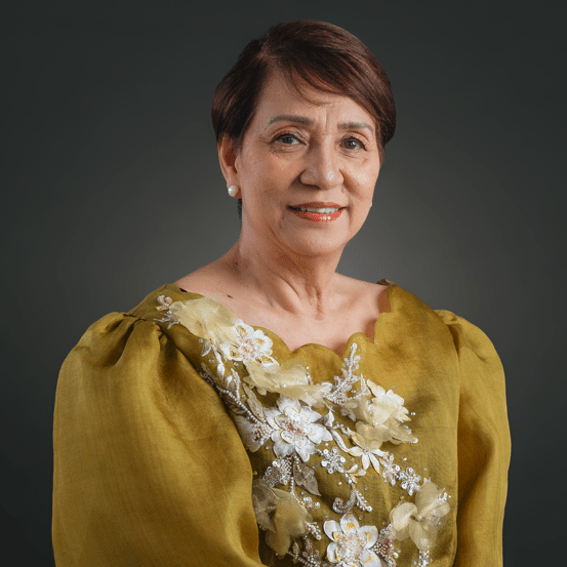
Dr Leah J. BUENDIA
Undersecretary for Research and Development, Department of Science and Technology (DOST), Philippines
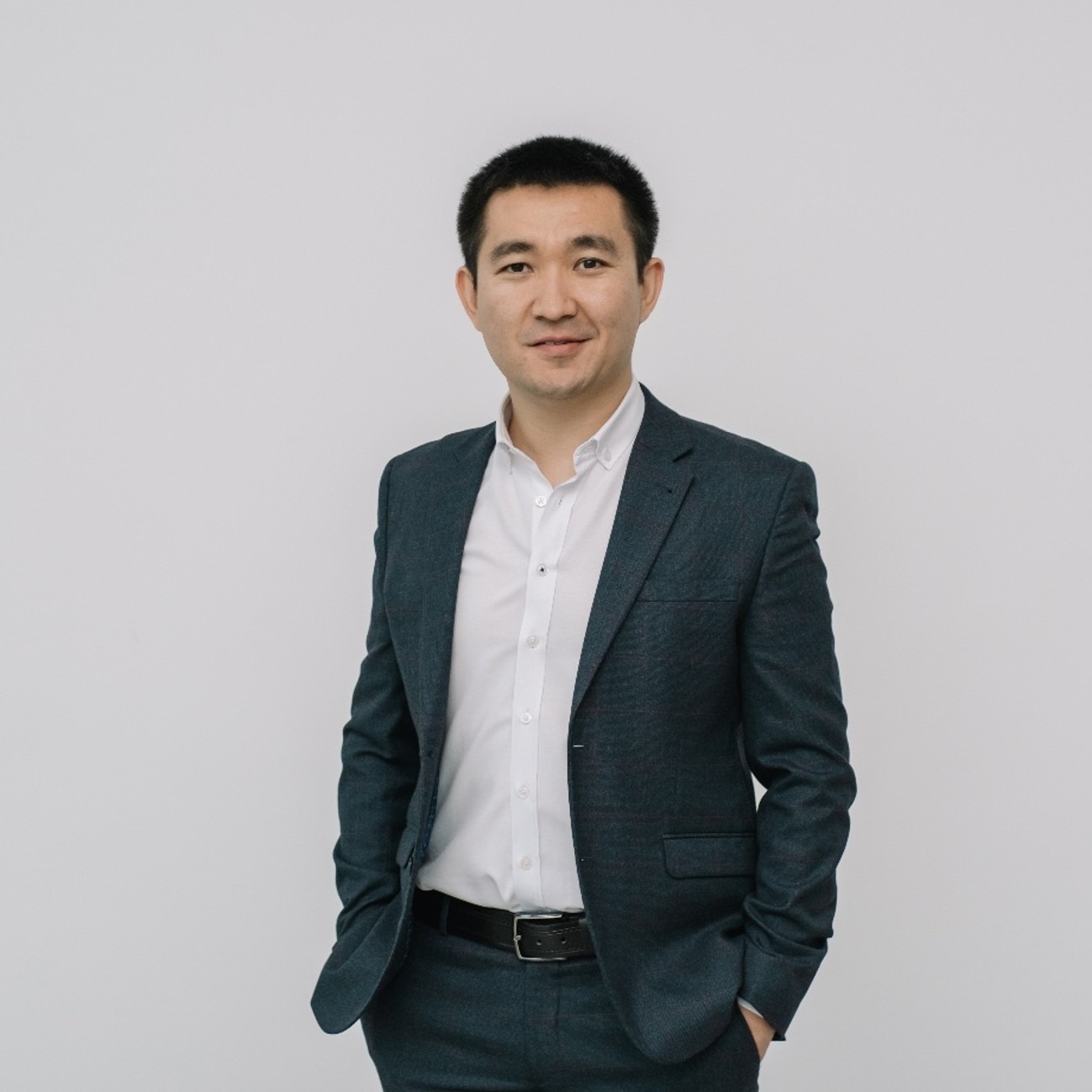
Dr Zhanibek ARYNOV
Assistant Professor, Nazarbayev University Graduate School of Public Policy
Dr Zhanibek ARYNOV Is an Assistant Professor at the Graduate School of Public Policy, Nazarbayev University, Kazakhstan. He obtained a Ph.D. degree in International Relations from the University of St. Andrews, UK. His main research and teaching focus relates to the international relations of Central Asia and Central Eurasia.
Mr Andras FEHERVARY is Vice President and Head Government Affairs and Policy for Madrigal Pharmaceuticals, a biopharmaceutical company focused on delivering novel therapeutics for metabolic dysfunction-associated steatohepatitis (MASH), a serious liver disease with high unmet medical need. Left untreated, MASH can lead to progressive liver scarring, cirrhosis, liver failure, liver cancer, need for transplant and premature mortality.
Andras holds an MBA from INSEAD. He holds MA degrees in international affairs and security studies from the Geneva Graduate Institute (IUHED); the Fletcher School of Law & Diplomacy, and JHU SAIS Europe. His BA is from the Johns Hopkins University. He is pursuing a PhD in biopharmaceutical life sciences at Semmelweis University.
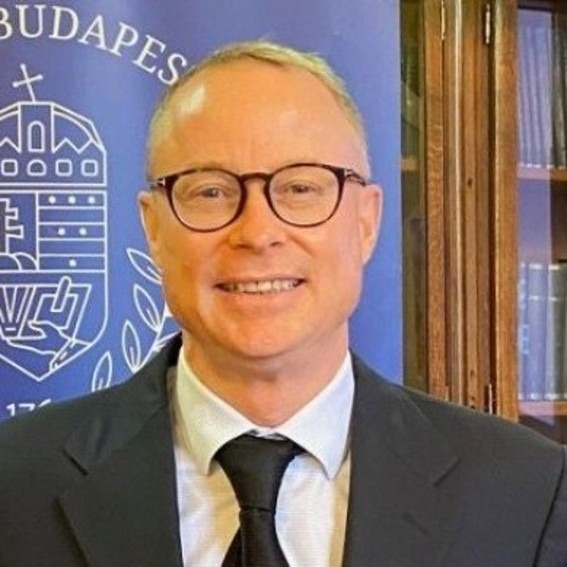
Mr Andras FEHERVARY
Vice President, Head of International Government Affairs & Policy, Madrigal Pharmaceuticals
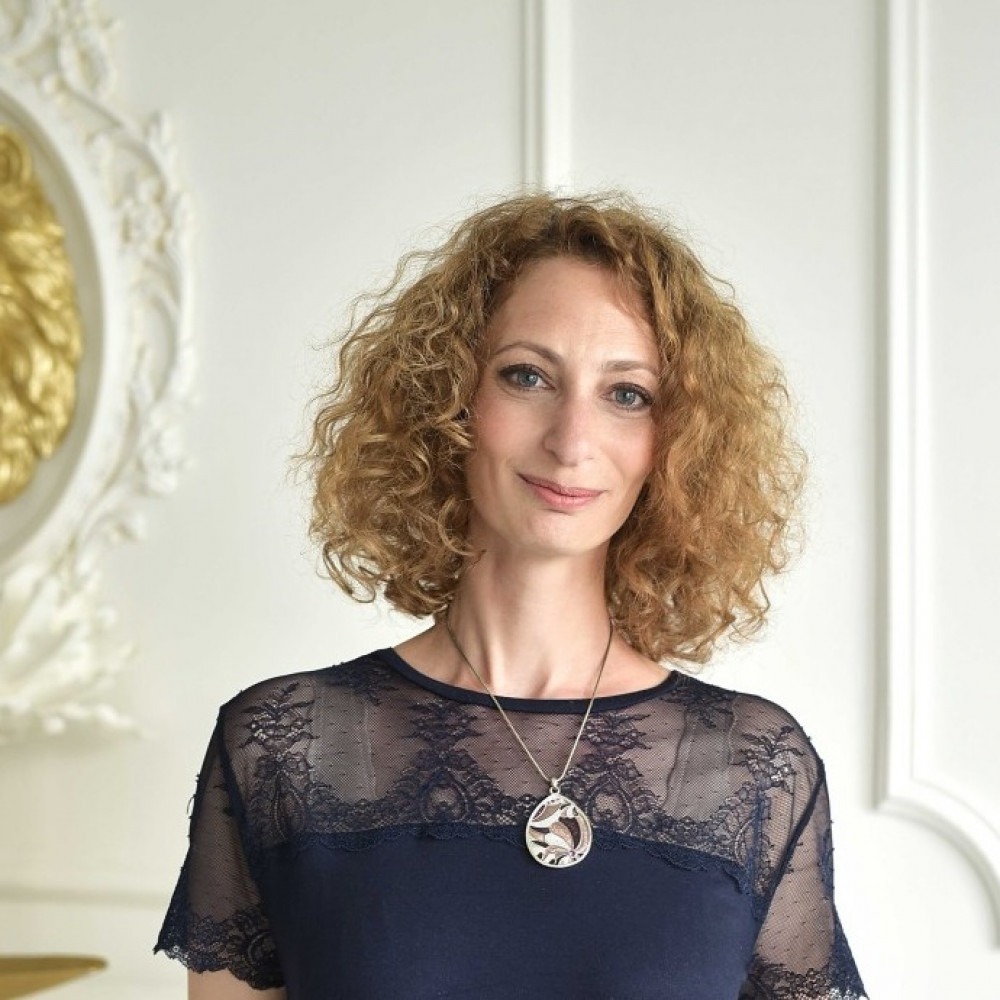
Ms Szilvia SZÁNTÓ
Science & Technology Diplomat, Embassy of Hungary in Paris
Ms Szilvia Szántó is a scientific and technological diplomat and international innovation expert. Having a strong environmental background – engineer degree completed with an advanced master in EU environmental policy and management, and experienced in science diplomacy, Szilvia worked also in public administration and in private consultancy as well, both in Hungary and in France. Her expertise includes scientific intelligence, international and national policy making, strategical planning and evaluation. Thematic expertise covers sustainable consumption and production, climate change, renewable energy and energy efficiency, science-technology-innovation policy. She worked as international expert for the dynamization of the international visibility of Hungarian innovation ecosystem, and advisor for Horizon Europe participation of Hungarian stakeholders, mostly of climate and water related topics, before returning to Paris Embassy of Hungary for a second nomination to science and technology diplomat.
Moderator
Mr Maxim VANDEKERCKHOVE works at the Belgian Federal Science Policy Office (Belspo) as Attaché International Coordination, where he is in charge of connecting science policy, diplomacy and international affairs while representing his country in international dialogues on various topics concerning scientific policy making, including Science and Technology Diplomacy. He started his career as Professional Development Officer for the Master students Interdisciplinary EU Studies at the College of Europe in Natolin, Poland. After that, he shortly worked at the Flemish Government on international biodiversity matters before joining the Belgian Ministry of Social Security, where he was a policy officer at the Strategy and Governance team, working on social rights and inclusion until he joined Belspo, first as Risk Officer before taking up his current role. Maxim has also been appointed coordinator of the expert group on Technology, Science and Innovation Diplomacy at the Brussels Diplomatic Academy (BDA). Maxim is an ASEF Alumnus, Navigator and expert on STI diplomacy within the organization. He has also participated in and facilitated many Erasmus+ projects through his NGO.
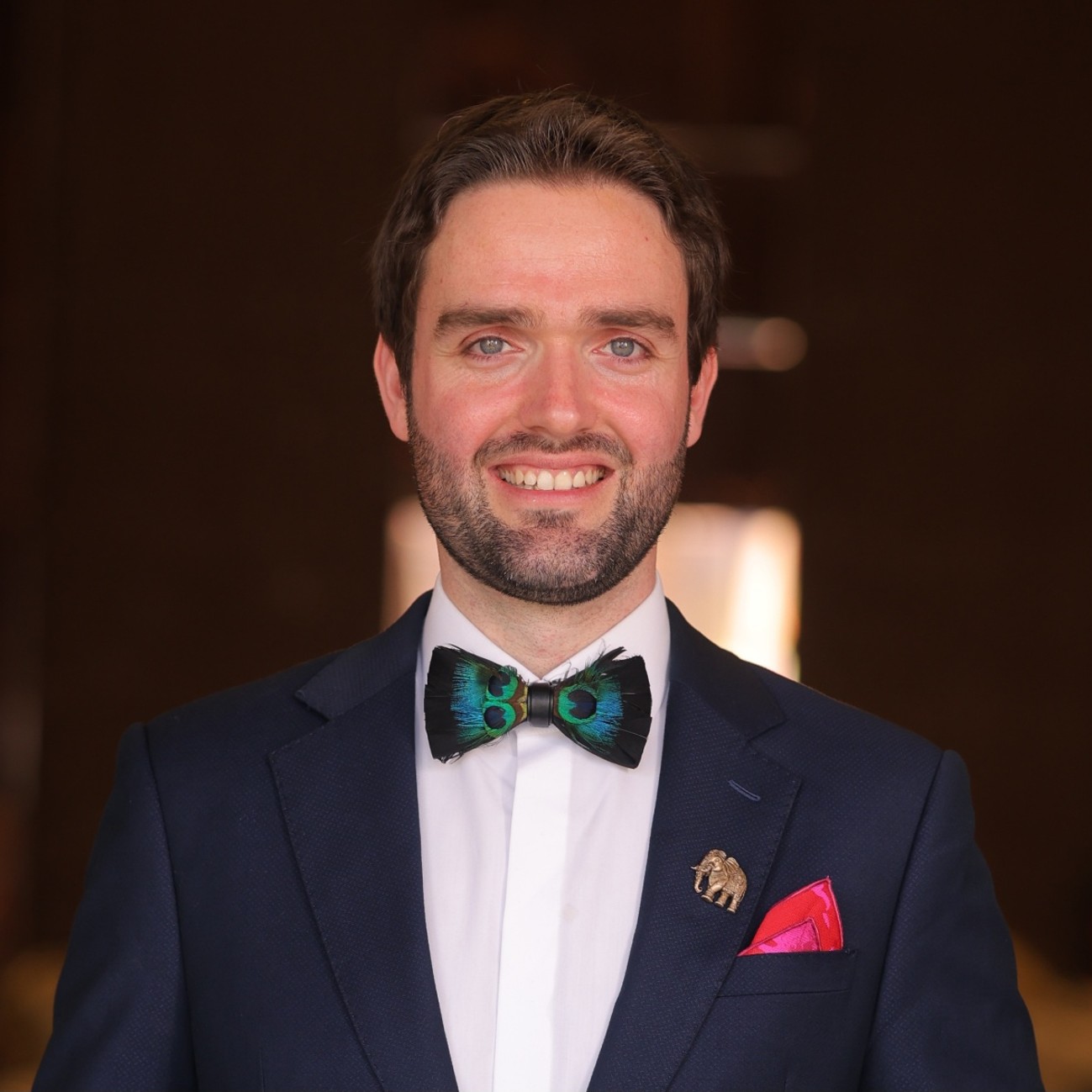
Mr Maxim VANDEKERCKHOVE
Attaché International Coordination, Belgian Federal Science Policy Office (BELSPO)
Contact & More Information
For questions or more details, contact us at scitech@asef.org.
Start your Science and Technology Diplomacy journey with ASEF and join us!
This webinar series is part of the Asia-Europe Training and Youth Summit on Science and Technology Diplomacy.