WHAT WAS THE ‘ASIA-EUROPE YOUTH LEADERSHIP TRAINING: ANTICIPATORY LEADERSHIP IN THE ARCTIC’ IN TROMSO, NORWAY?
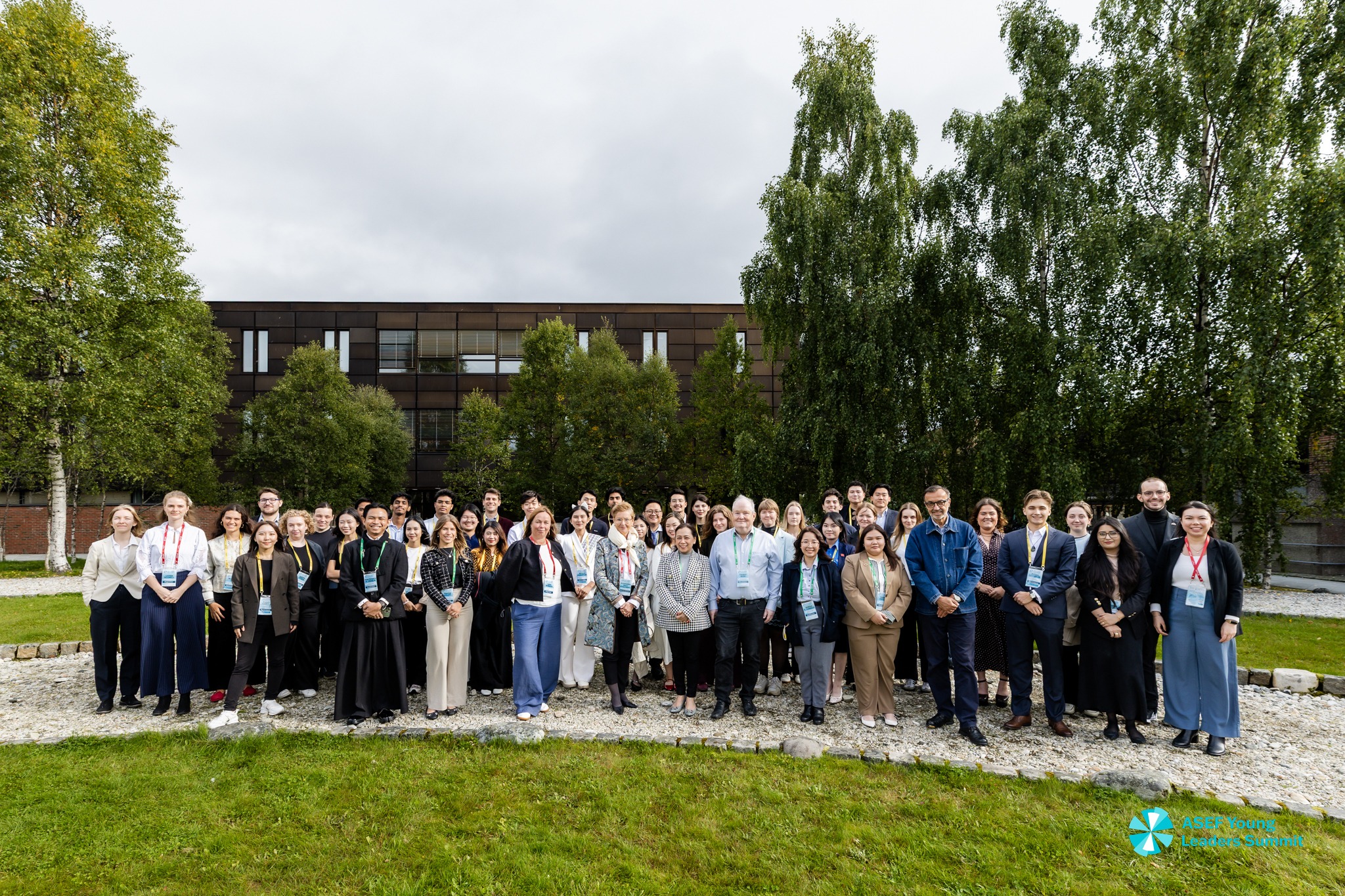
Between 23-29 August 2026, the in-person ‘Asia-Europe Youth Leadership Training: Anticipatory Leadership in the Arctic’ took place in Tromsø, Norway.
The in-person Training was an additional component of the ASEFYLS Capacity Training 2026 – a 2-month leadership development programme on the topic of ‘Anticipatory Leadership’, which connects youth leaders across Asia & Europe, applying a 360 degree approach on leadership development and community engagement: 1) self-leadership (you), 2) team leadership (we) and 3) societal leadership (all).
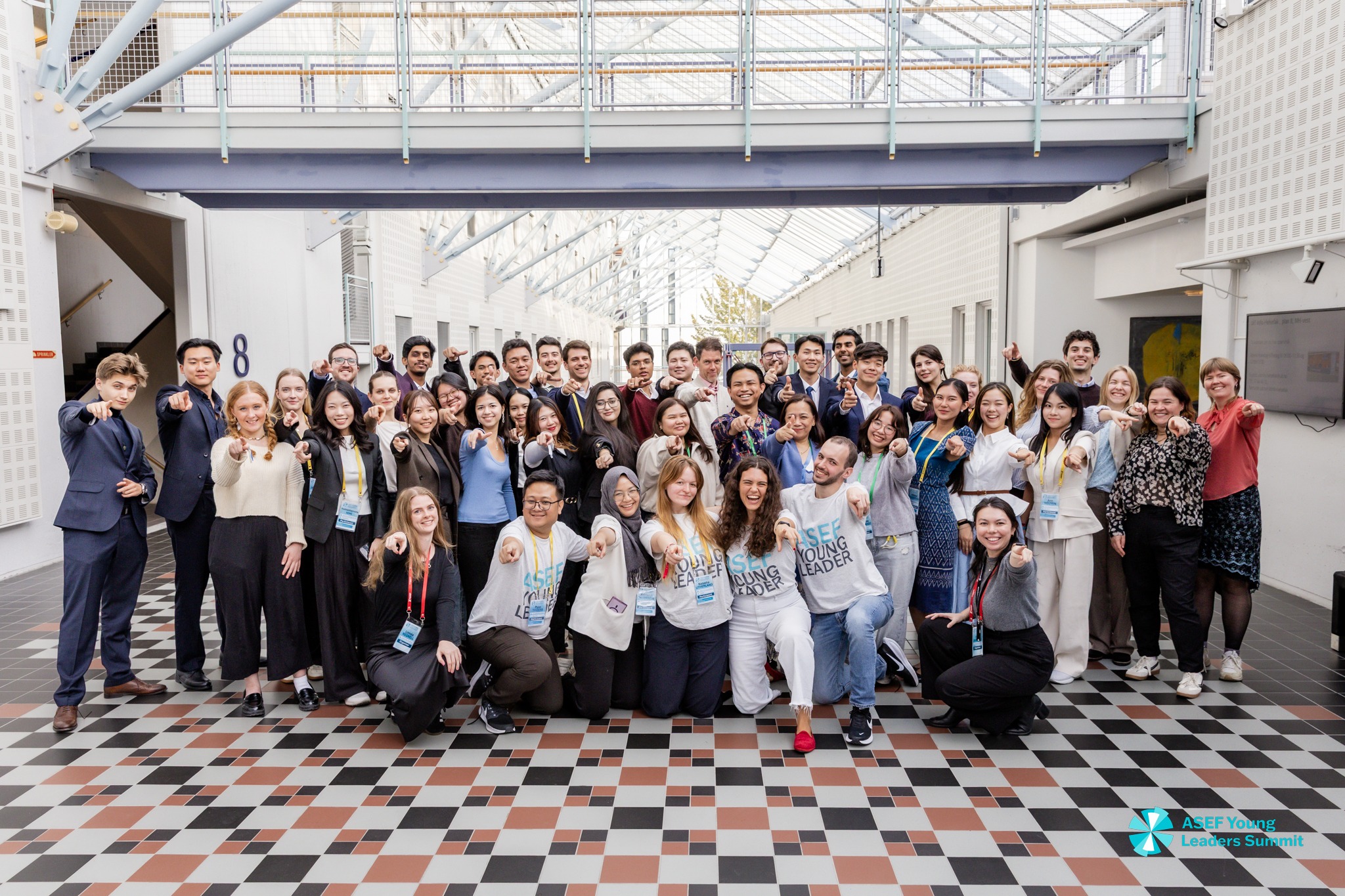
39 selected participants from the ASEFYLS Capacity Training 2026 joined this in-person training in Norway, to engage in people-to-people dialogue exchanges, networking, and learning in a local context. They explored topics of futures thinking, systems thinking, and build their anticipatory leadership mindset, exploring the Arctic as a case study for how Anticipatory Leadership can prepare young people to take on leadership roles towards a more Human-Centred Future.
The Youth Summit was organised in partnership with and hosted by UiT The Arctic University of Tromsø and the Norwegian Ministry of Foreign Affairs and under the European Youth Capital 2026, “True North – Tromsø 2026”.
A special thank you also to our funders at the Ministry of Foreign Affairs Denmark, whose generosity sustains these opportunities for global youth leadership.
WHO WAS PART OF THE TRAINING?
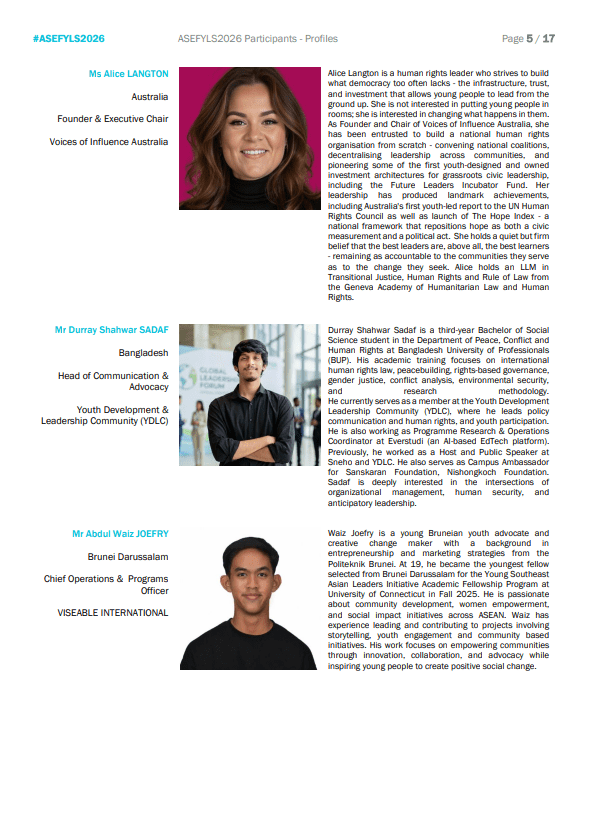
We invited 39 selected participants from 35 countries across Asia and Europe to join the ASEFYLS Capacity Trainings 2026 in Tromsø, Norway. The programme was open to representatives of youth and student organisations from across Asia & Europe from diverse backgrounds.
The student and youth organisations range from National Youth Councils, Regional youth organisations, and local organisations focused on areas of women’s rights, climate change, youth participation, political activism etc.
PROGRAMME
Welcome and Getting-to-know
Participants were welcomed by Mr Dag Rune Olsen, Rector of UiT – the Arctic University of Norway, graciously hosted the welcome dinner for participants on 23 August 2026, where they were treated to some local delicacies for dinner, and had the chance to already start getting to know the city and each other.
On behalf of the Asia-Europe Foundation (ASEF), Ambassador Beata Stoczyńska, Executive Director, Asia-Europe Foundation (ASEF) opened the programme on 24 August 2026, together with the Rector’s official remarks.
We also welcomed representatives from our partners on the Monday to officially kick off the programme. The training could not have been possible without the partnership of UiT – The Arctic University of Norway and the team with the Rector for their support. A special thank you also goes to the European Youth Capital – True North 2026 and Ms Vilde Furuhaug Westby, Project lead international cooperation of True North 2026 and Mr Espen Barth Eide, Minister of Foreign Affairs Norway for supporting the project and greeting the young leaders to Norway (video message).
Our appreciation extends also to our supporters, the youth and student organisations in Asia and Europe): the ASEAN Youth Organisation (AYO), the Erasmus Student Network (ESN), the Student Think Tank for Europe Asia Relations (STEAR), the European Students’ Forum (AEGEE), the European Law Students Organisation (ELSA), the All China Youth Federation (ACYF), and European Guanxi.
The morning continued with a keynote by Mr Lemet Hætta, Youth Ambassador for True North 2026. Drawing on his own youth leadership experience, he shared his thoughts on the skills needed to tackle an uncertain future. Emphasising the need to be patient, he shared how, even if there may be a need to act as soon as possible, that we need to recognise different stakeholders have different objectives and agendas that all influence how the future may look. The sooner we realise it, the sooner we can navigate these objectives and build towards a sustainable future.
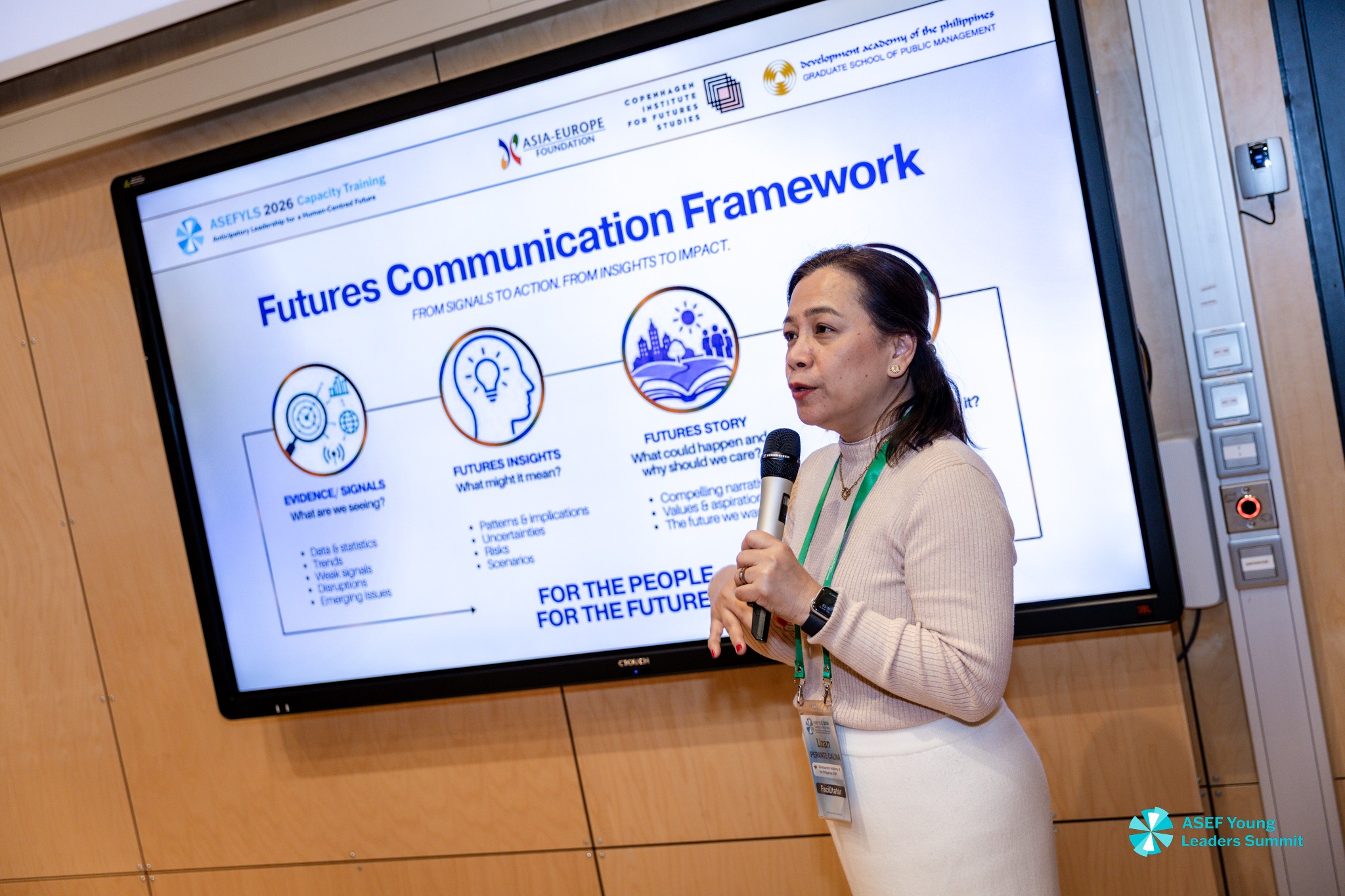
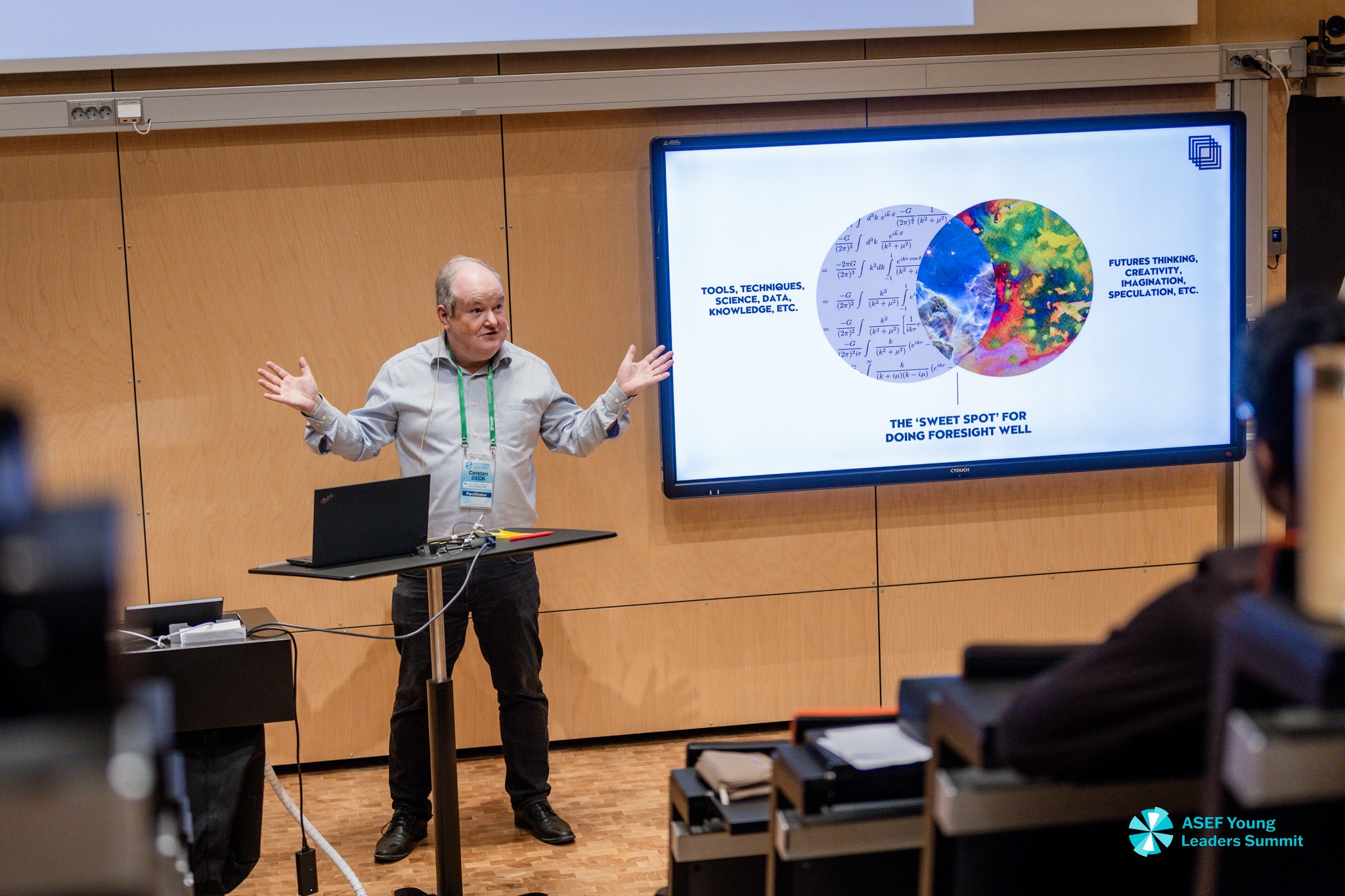
He was then joined by representatives from our joint knowledge partners Dr Lizan Perante Calina (Senior Vice President and Dean of the Graduate School of Public Management, Development Academy of the Philippines and President of Philippines Futures Thinking Society) and Mr Carsten Beck (Director and Futurist at the Copenhagen Institute for Futures Studies) for a fireside chat. The speakers shared the sentiment that youth need to be central in the conversations about the future. Even in times of uncertainty, youth are crucial in help shaping the future they wish to see – and being resilient through times of change is how to to realise those futures.
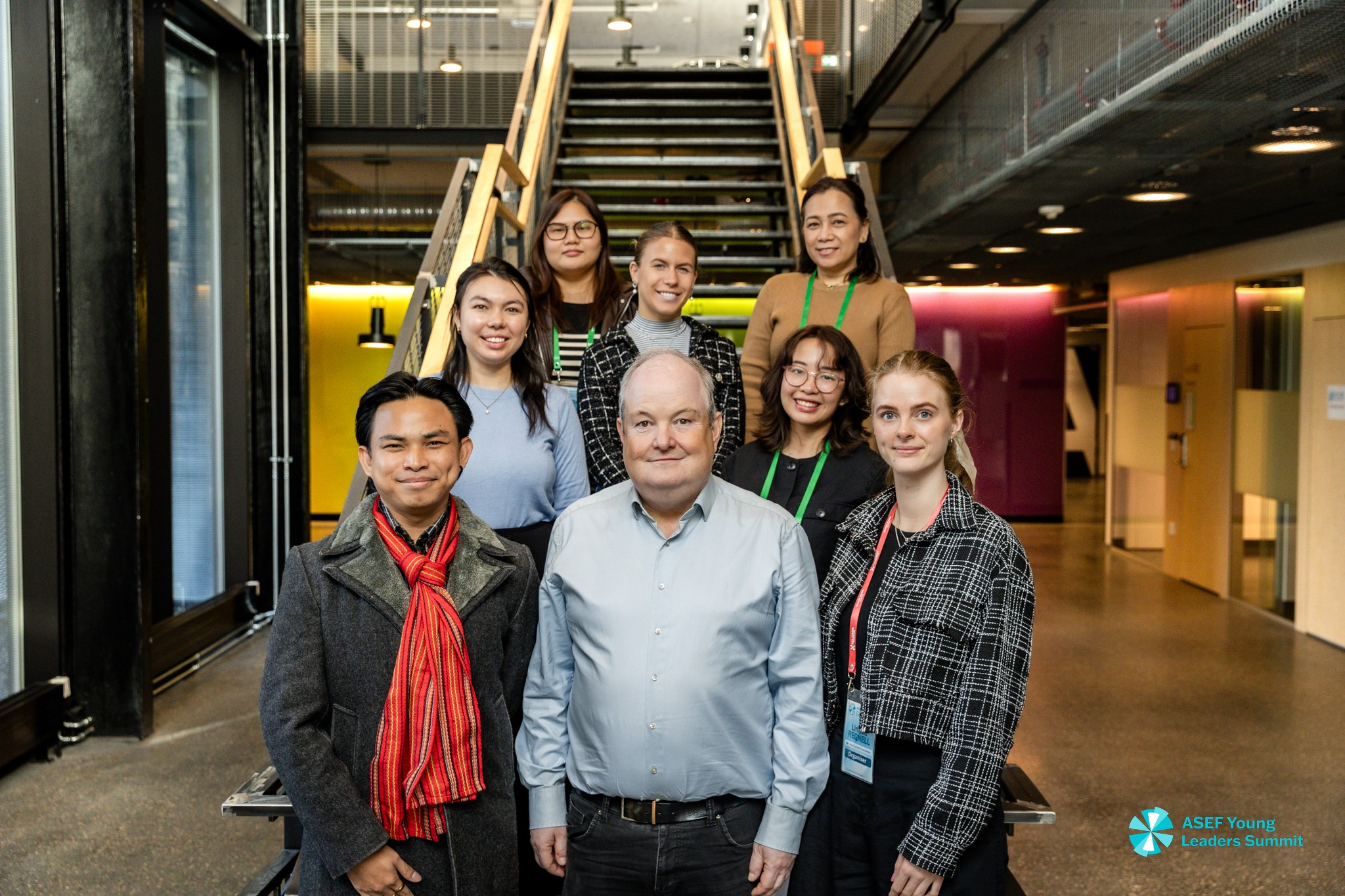
Following the welcome addresses, participants had the chance to start getting to know one another through different exercises facilitated by Ms Freya CHOW-PAUL, Youth Project Lead, Education Department, ASEF, and Ms Linnea REGNELL, Senior Project Executive, Education Department, ASEF, with the aim of creating a solid foundation of trust and mutual understanding for effective dialogue and exchange in the coming days. Through UNESCO Story Circles, they practised deep listening and meaningful intercultural dialogue—creating space to connect across different backgrounds, perspectives and lived experiences.
The day concluded with the Networking & Organisation Fair, where participants showcased the work of their youth and student organisations, shared ideas and experiences, and explored opportunities for collaboration across countries and sectors.
UiT Sessions on the Arctic
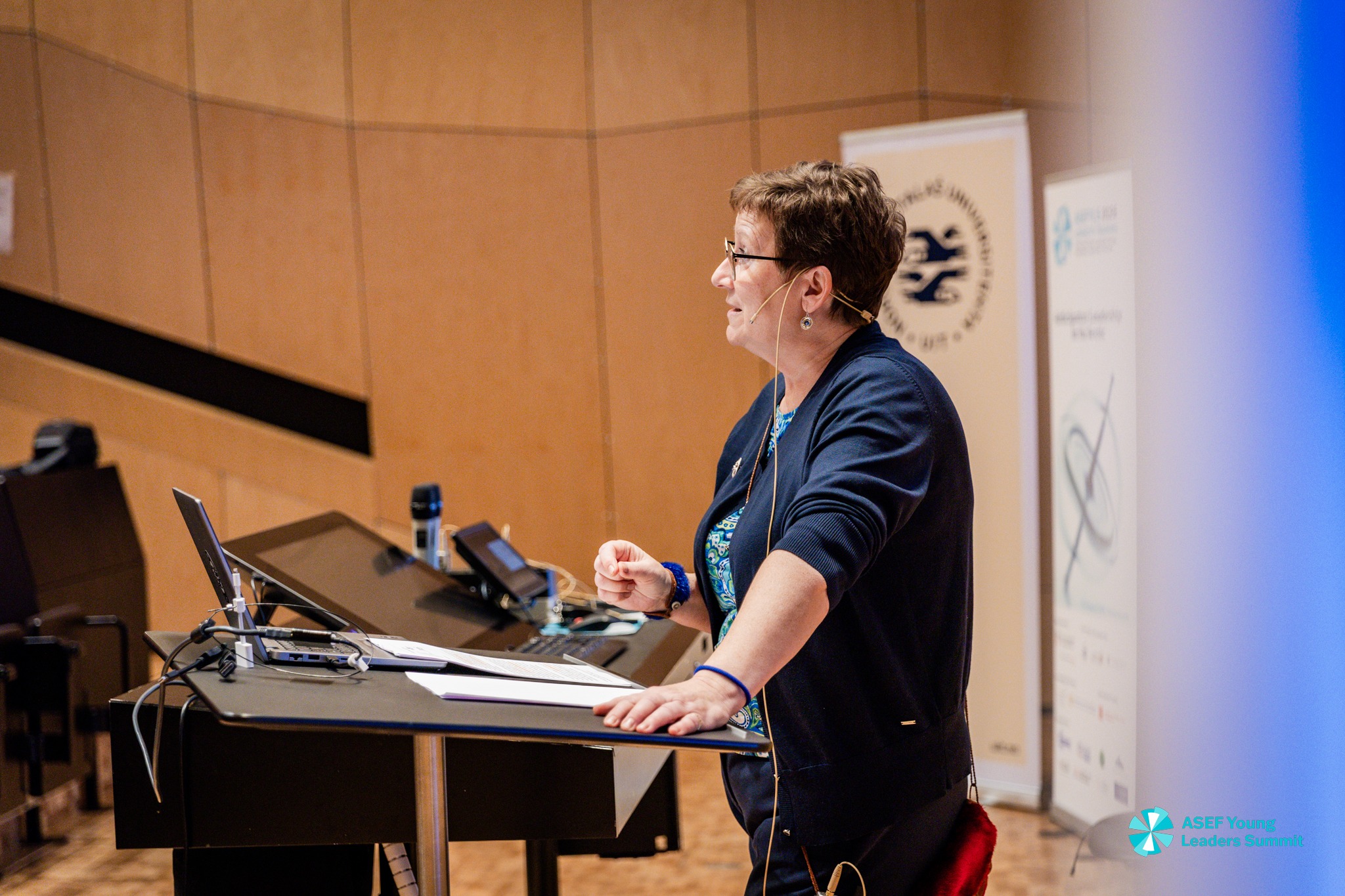
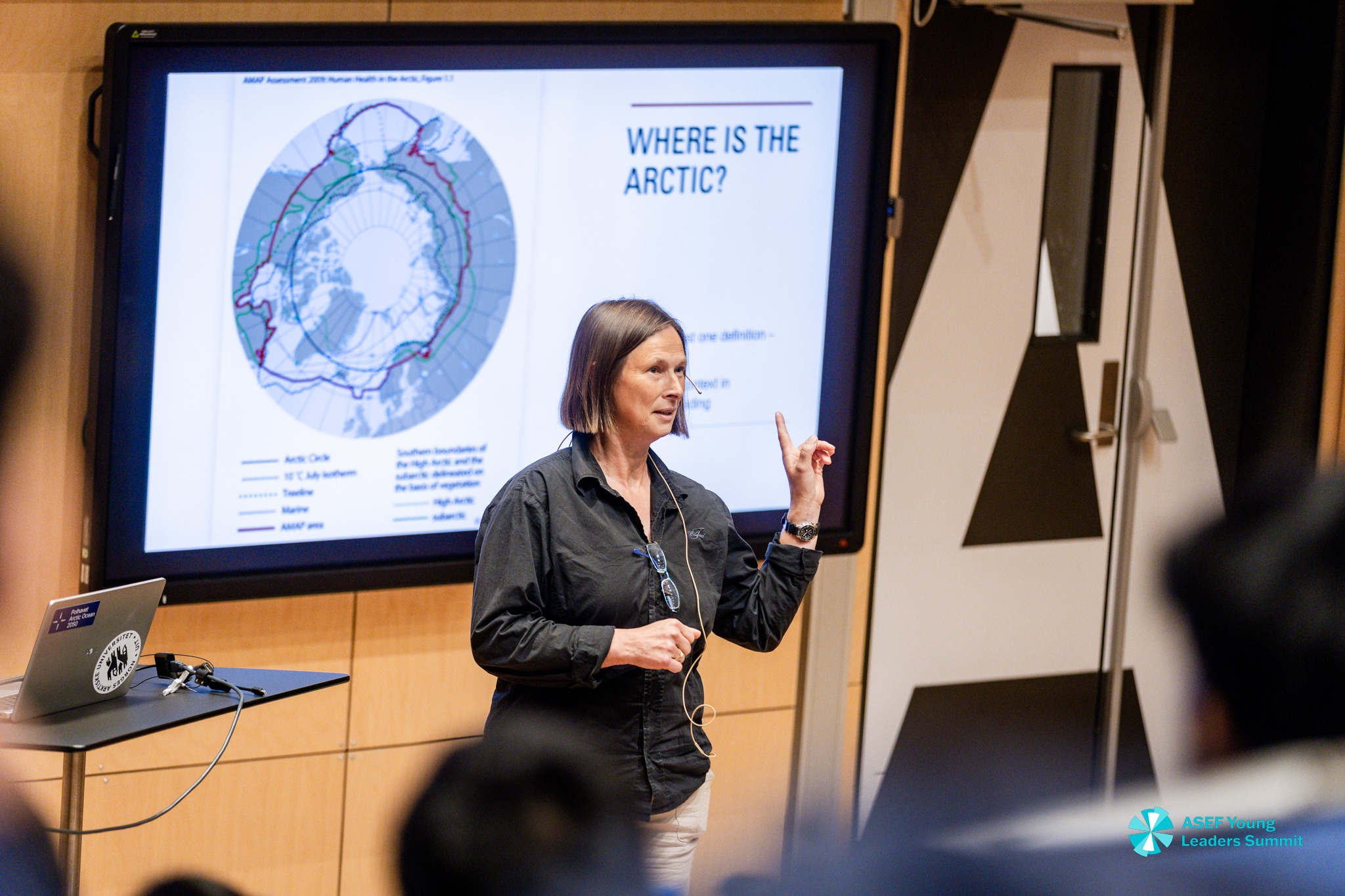
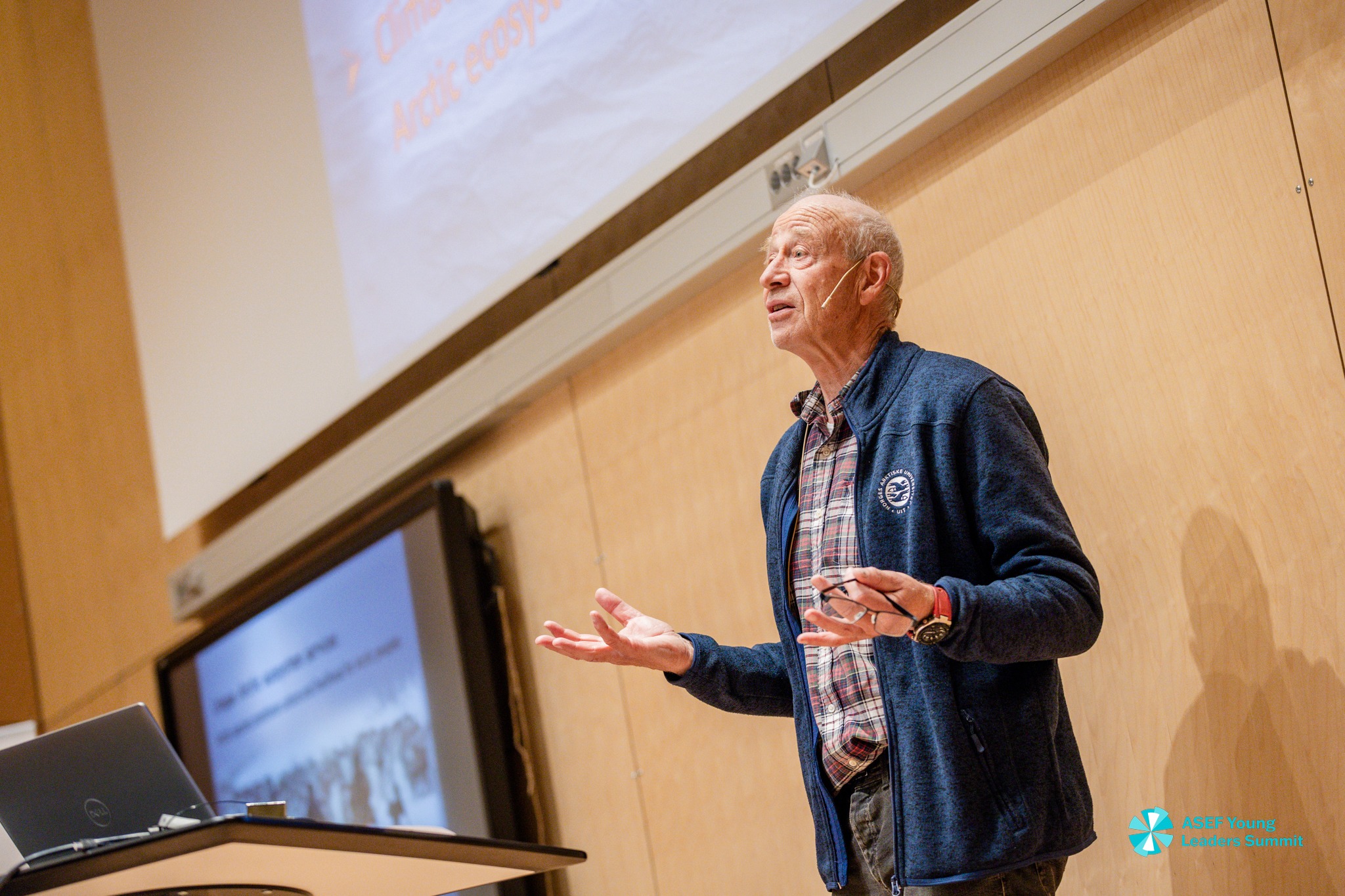
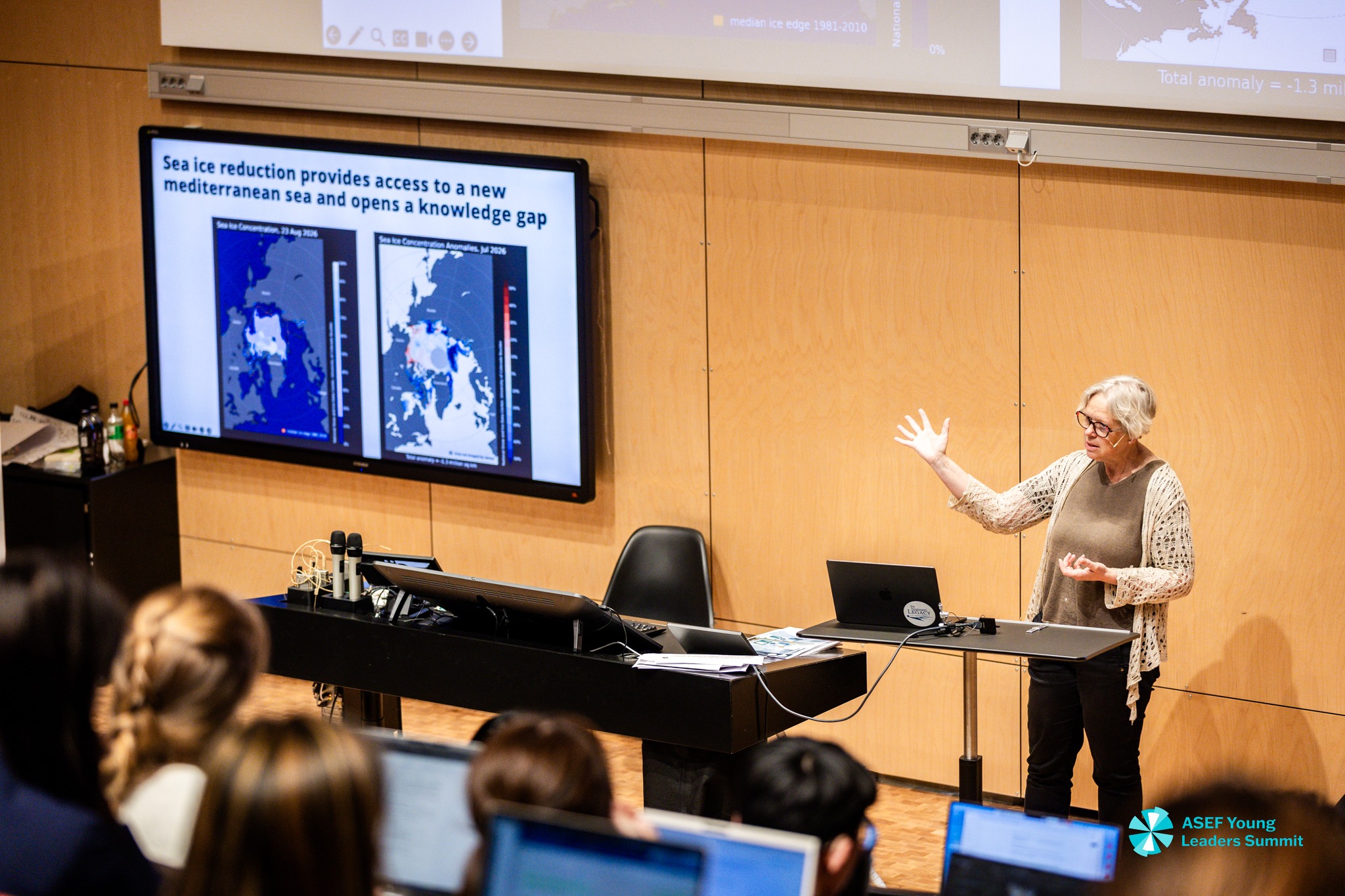
To help the participants and guide them in their exploration of the Arctic as a case study for Anticipatory Leadership, ASEF and the UiT organisers invited participants to engage with some of the key social, environmental and scientific dimensions shaping the High North through lectures and exercises with UiT professors.
We extend our sincere thanks to our UiT- The Arctic University of Norway lecturers:
- Professor Else Grete Broderstad, Centre for Sami Studies, for sharing perspectives on sustainable societies in the High North, with a particular focus on Indigenous peoples
- Professor Rolf Ims and Professor Bodil Bluhm, Department of Arctic and Marine Biology, for guiding participants through the impacts of climate change on Arctic ecosystems on land and in the sea
- Professor Marit Reigstad, Department of Arctic and Marine Biology, for exploring responses and actions on climate change in the High North; and
- Professor Jørgen Berge, Pro-Rector for Research and Innovation, for introducing Arctic Ocean 2050 and encouraging participants to consider the future of Arctic Ocean governance and transformation.

Practical Workshops: Practicing Foresight and Futures Thinking
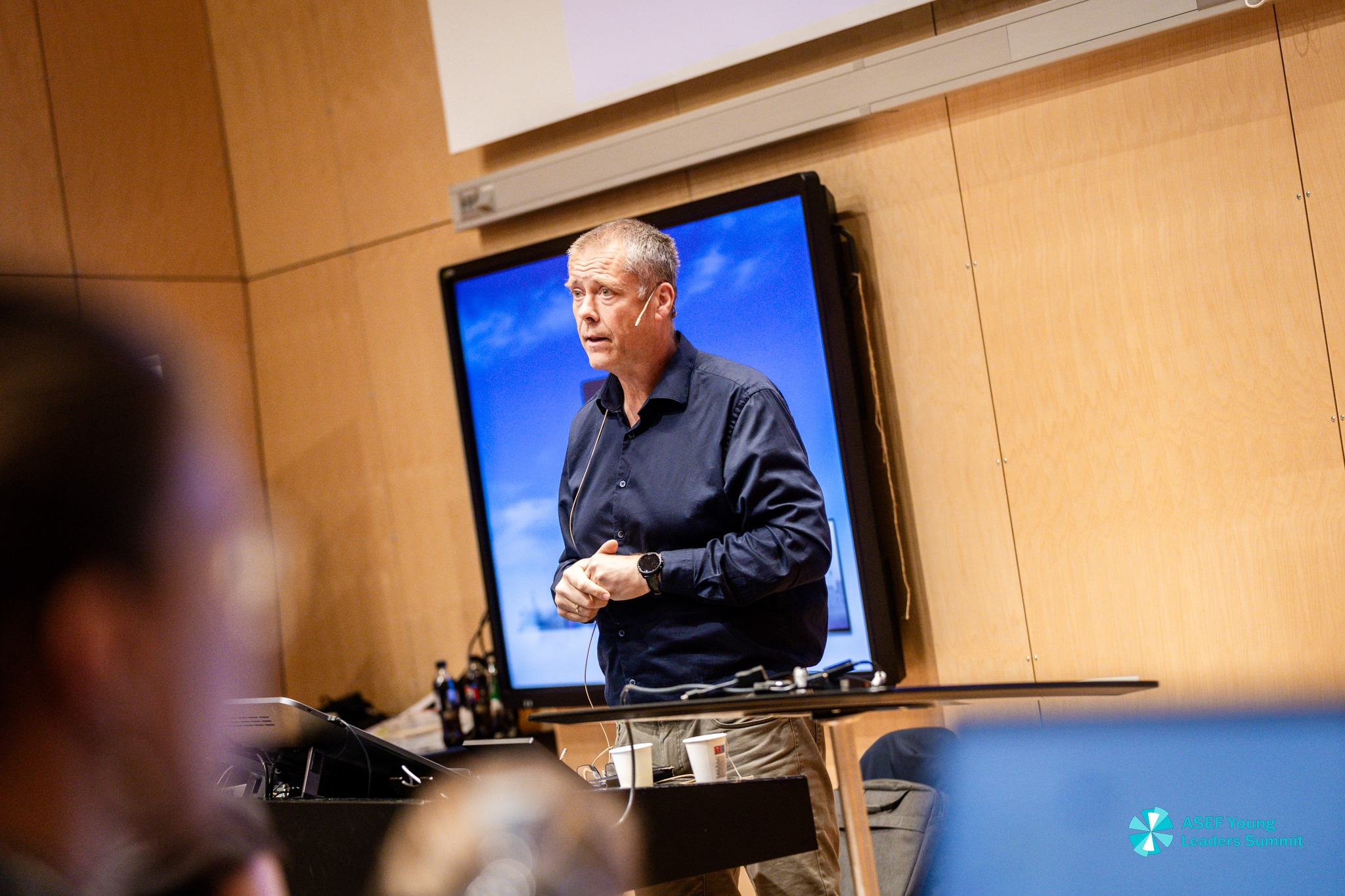
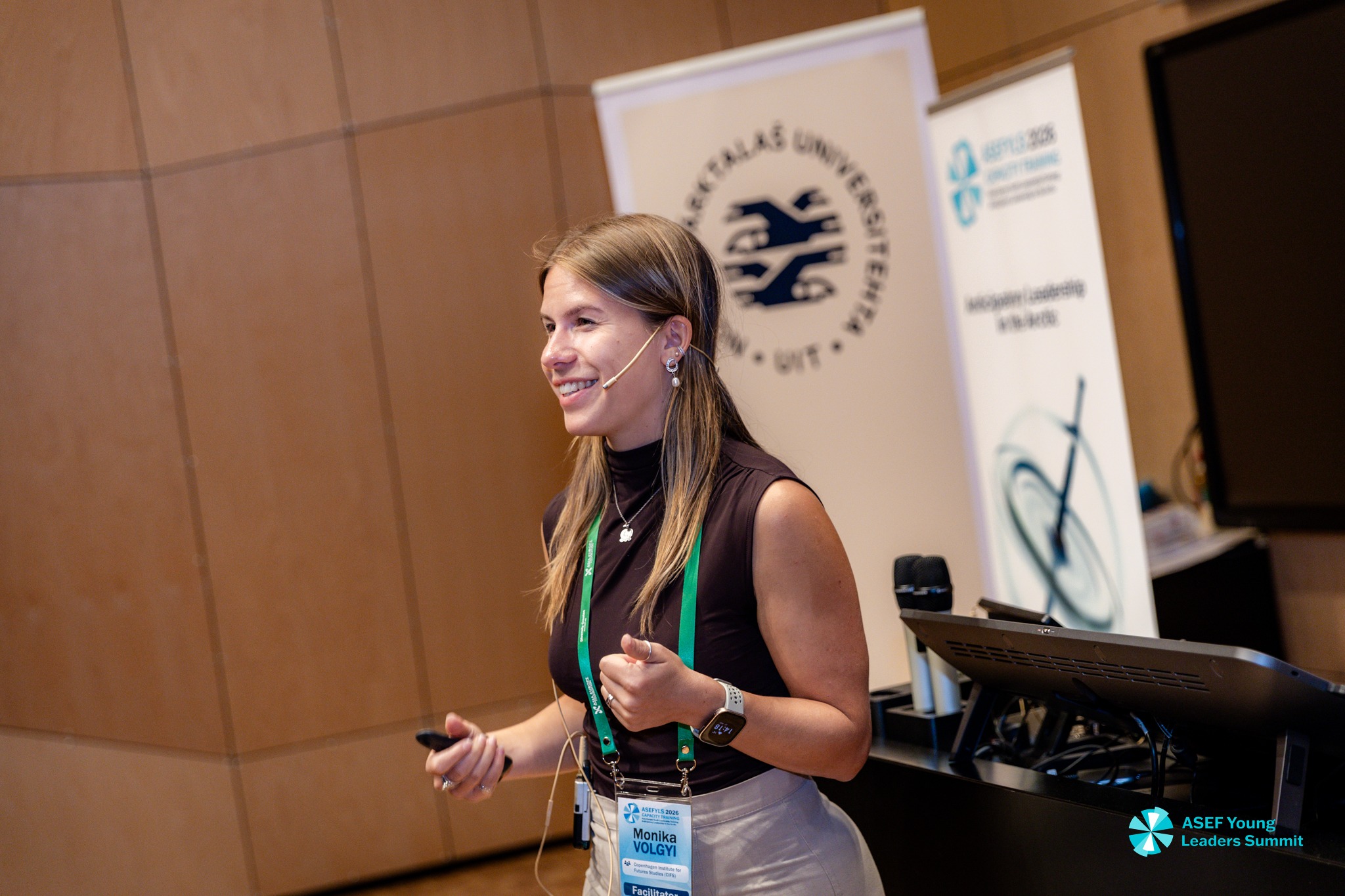
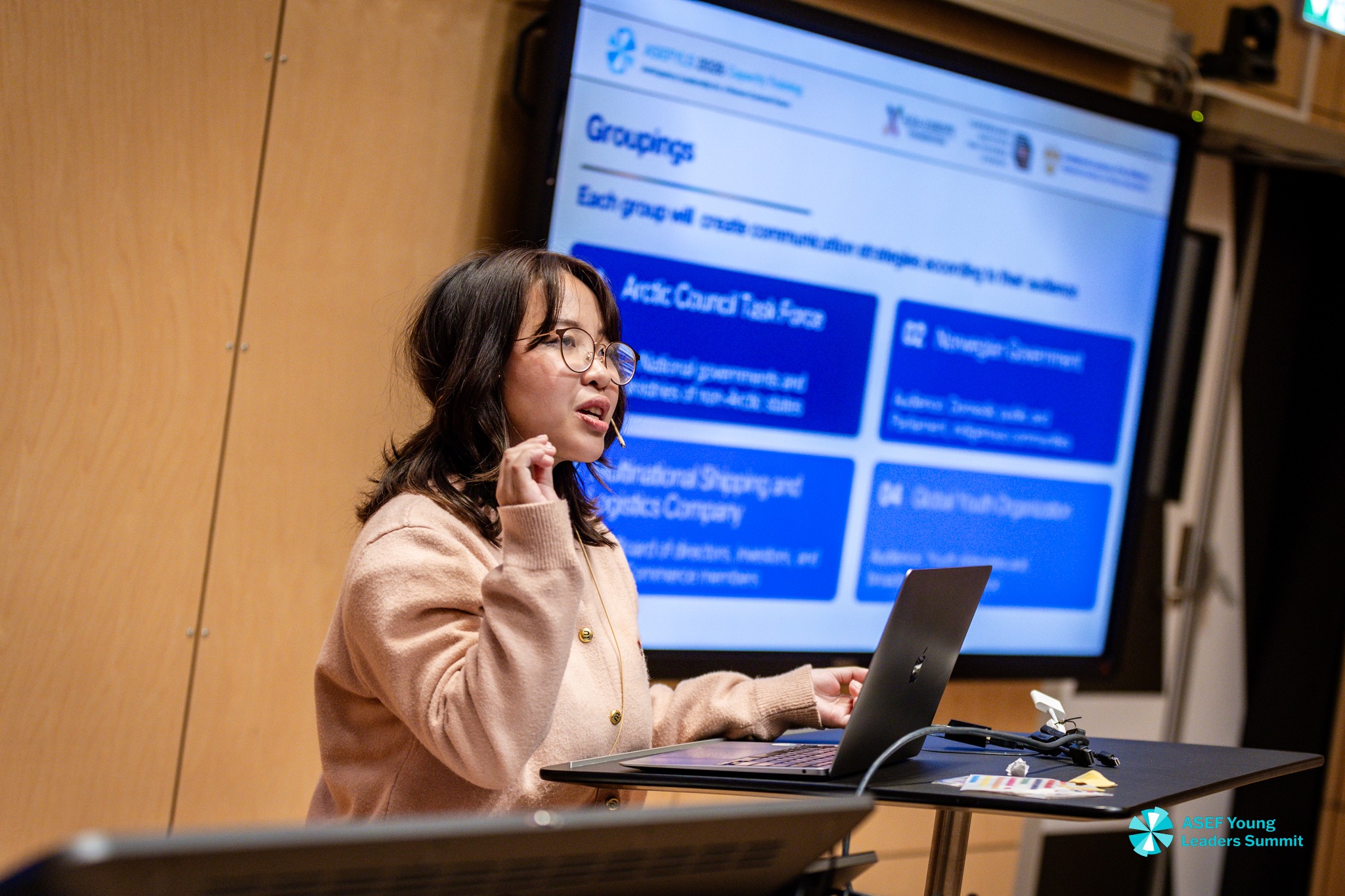
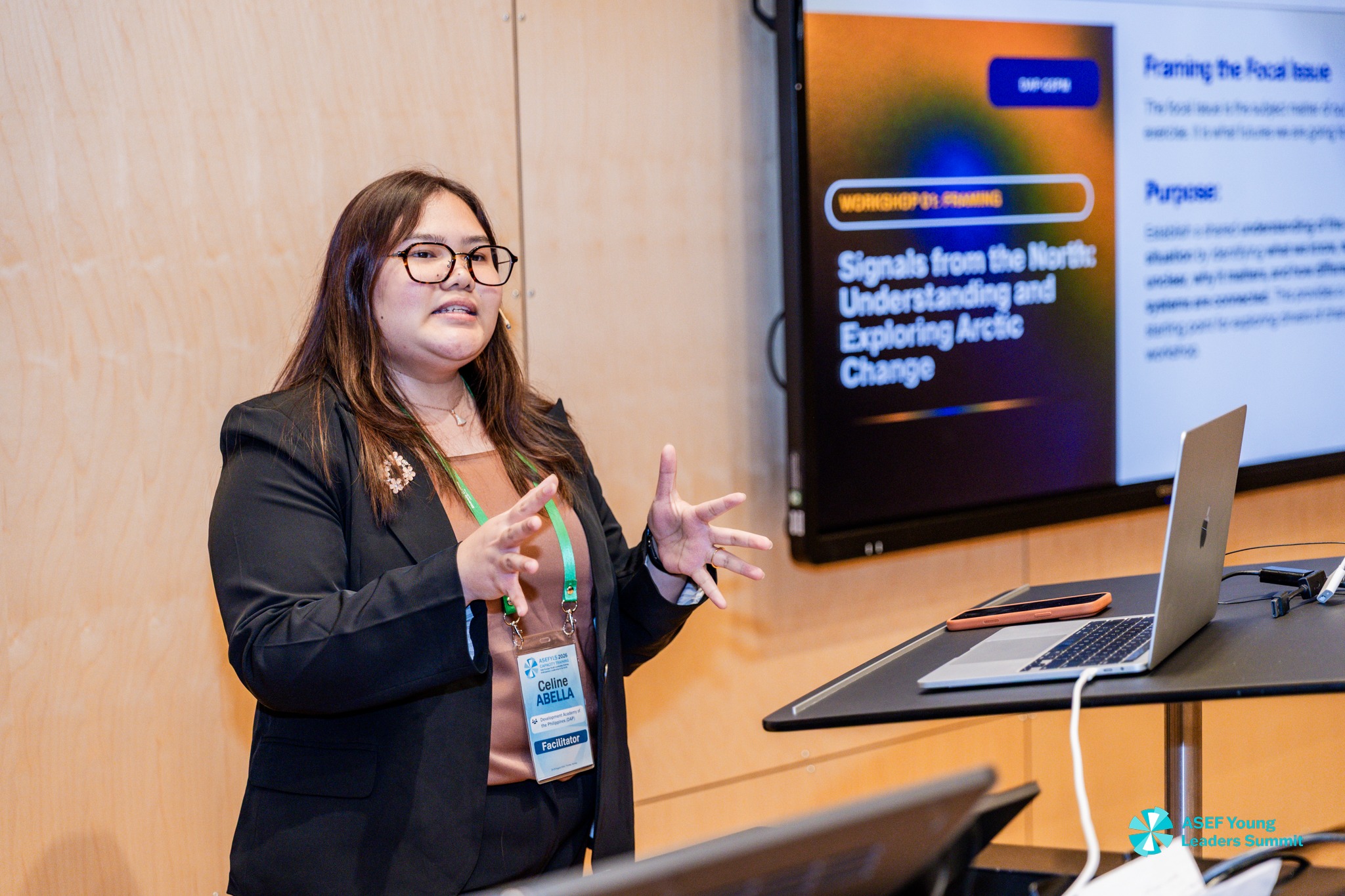
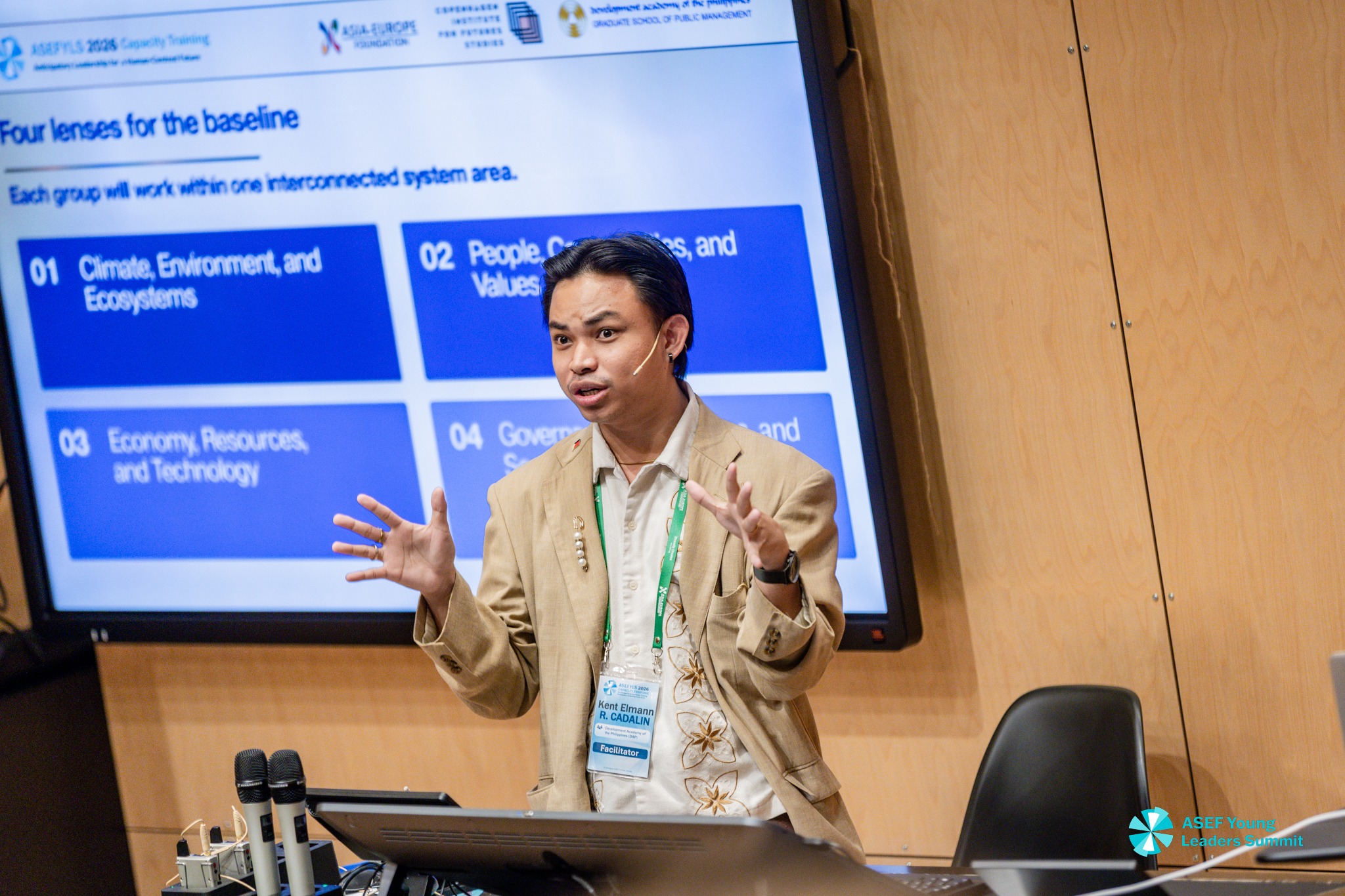
To help the participants actualise their learnings and practice applying futures thinking and foresight, Mr Carsten Beck and Ms Monika Volgyi from the Copenhagen Institute for Futures Studies (CIFS), and Dr Lizan Perante Calina, Mr Kent Cadalin, Ms Celine Abella and Ms Andreea Camago from the Development Academy of the Philippines (DAP) guided the participants through framing, scanning, sensemaking, scenarios, and strategies – developing their anticipatory leadership mindset to build more sustainable futures together.
Simulation Game: Exploring the Arctic in 2050
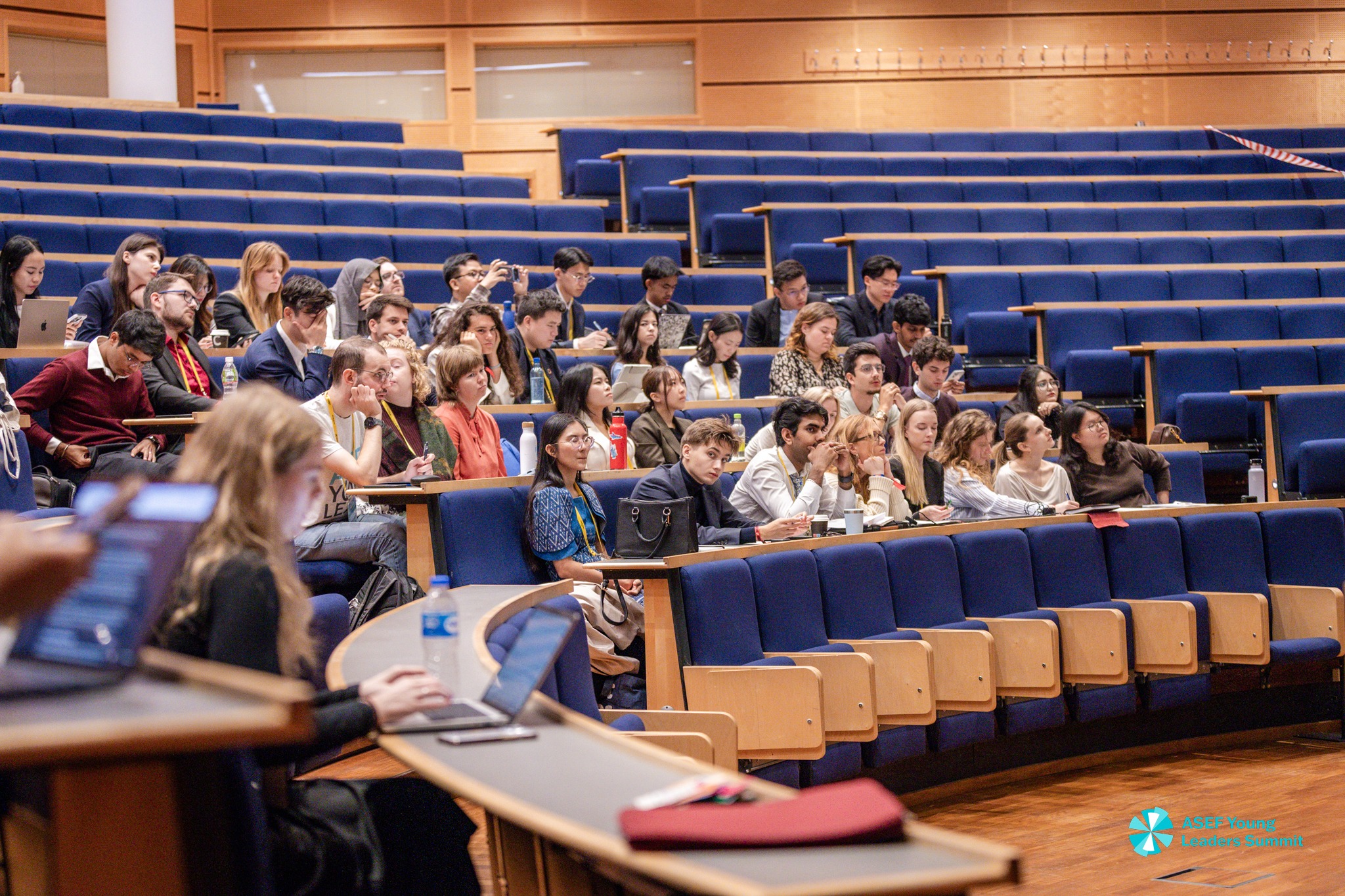
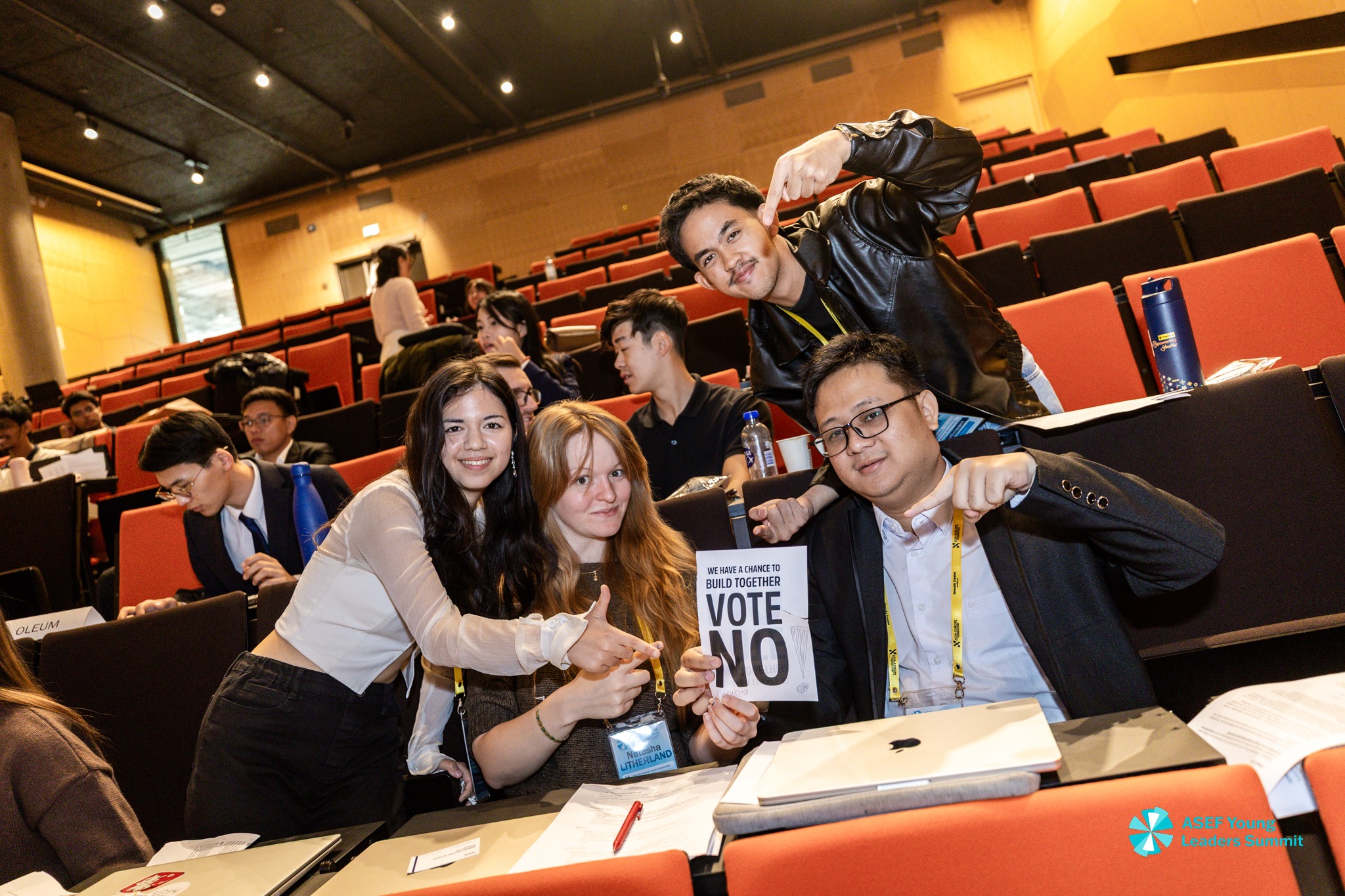
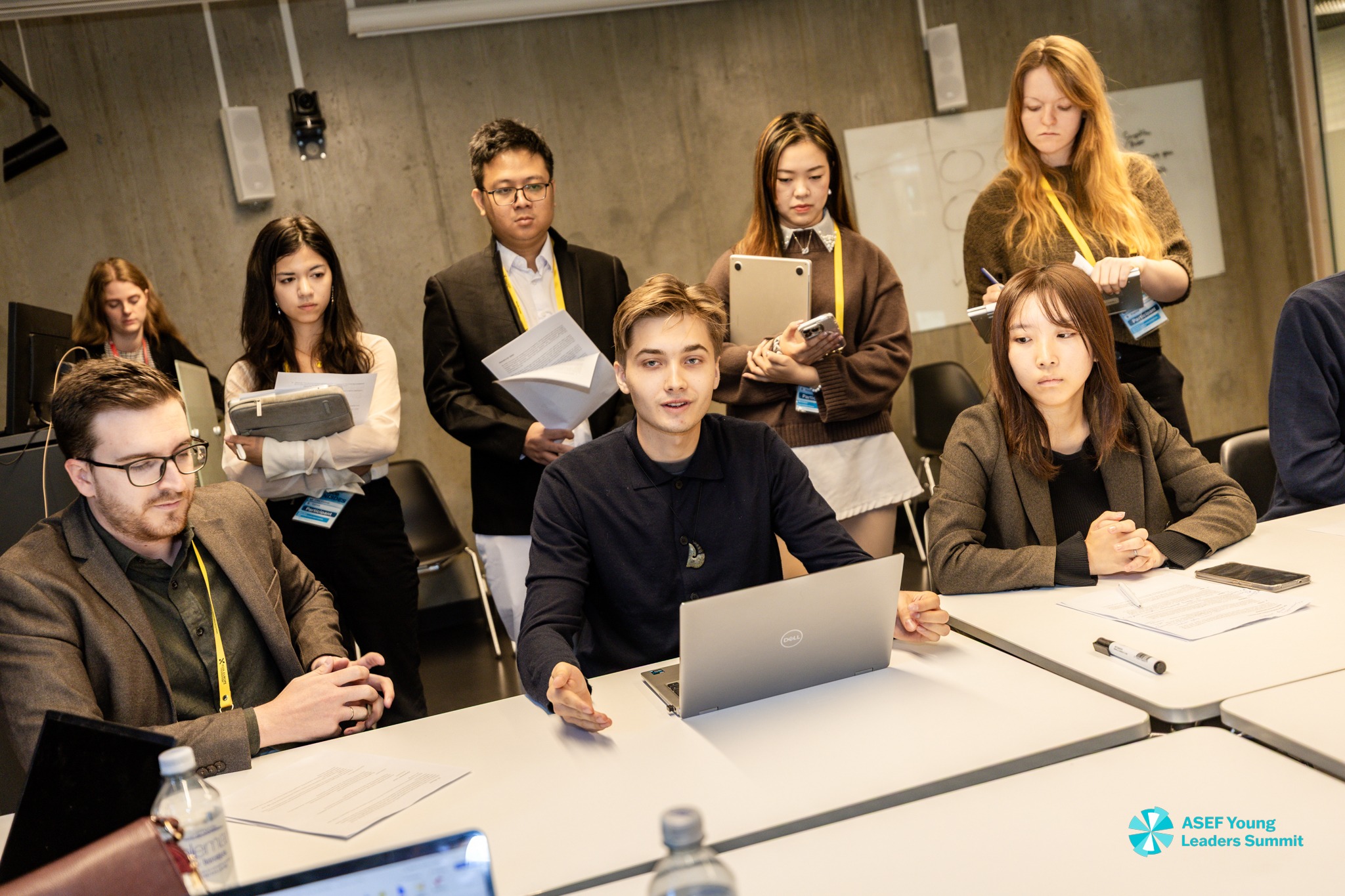
After a week full of workshops, the young leaders were challenged to step into the shoes of different stakeholders in a fictitious Arctic. After having been presented with what the Arctic may look like in 2050, we flashed back to present time to address the question: should there be a total ban on mining in the Arctic?
Decision-making in the Arctic is very complex , and different narratives and interests may clash with each other around the issue of environment and natural resources.
The game sparked interesting debates where they had to think about long-term effects of current day debates and decisions – what in the Arctic does not stay in the Arctic, but will have implications for the rest of the world.
Intercultural Exchanges
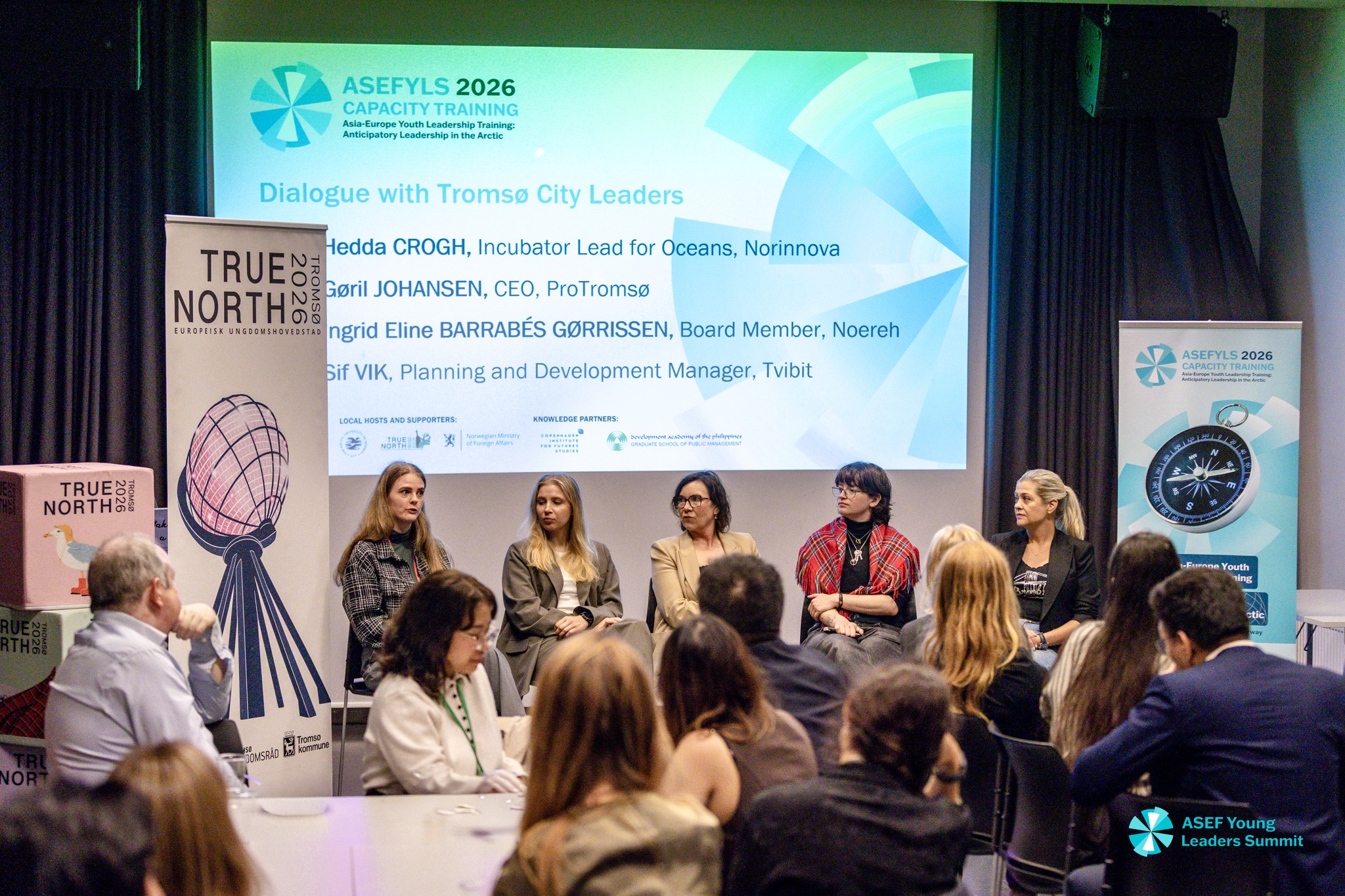
Leadership Dialogue with Local Tromsø Leaders
Beyond the academic programme, the Training provided opprtunities for intercultural exchange and understanding.
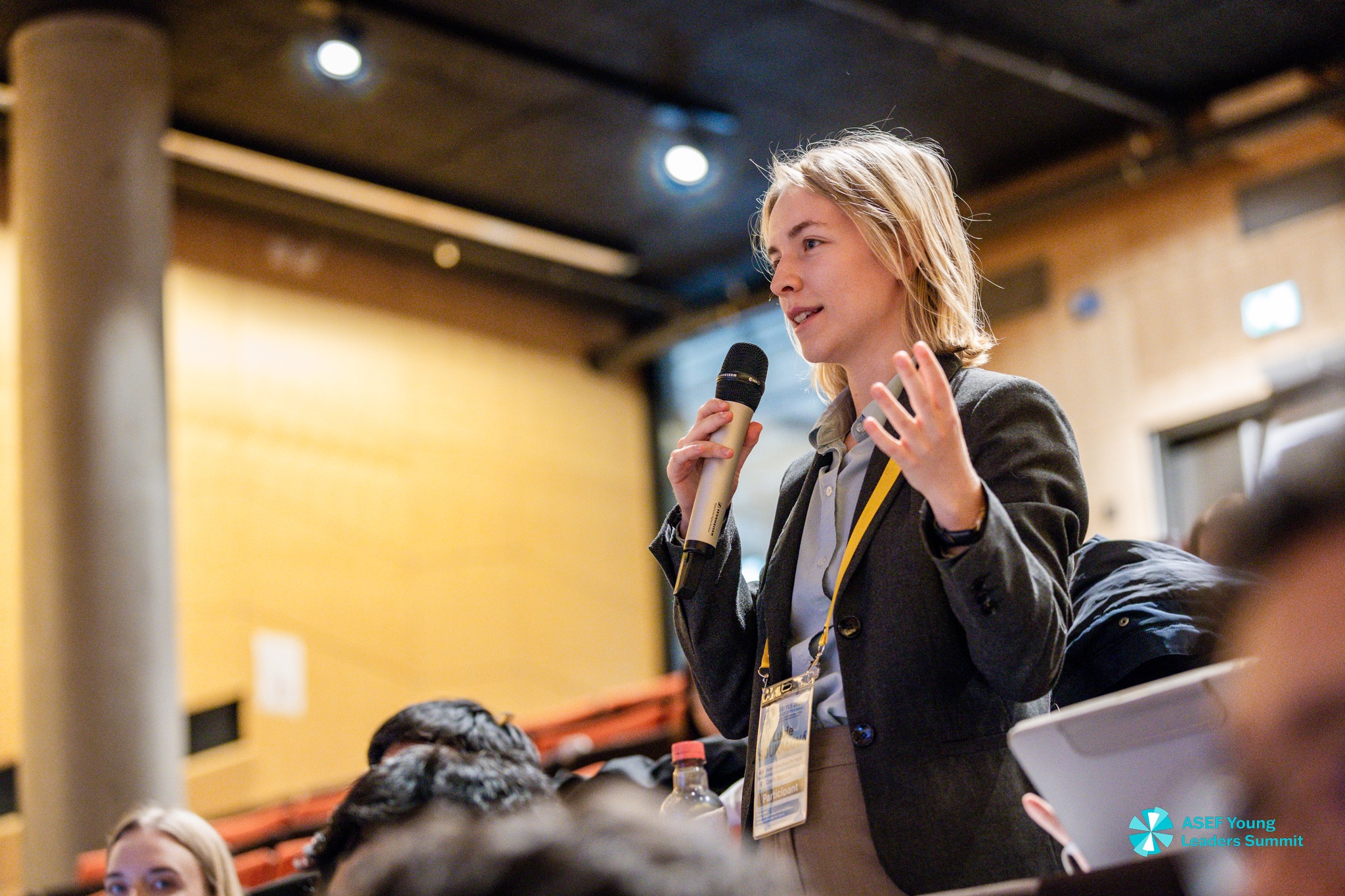
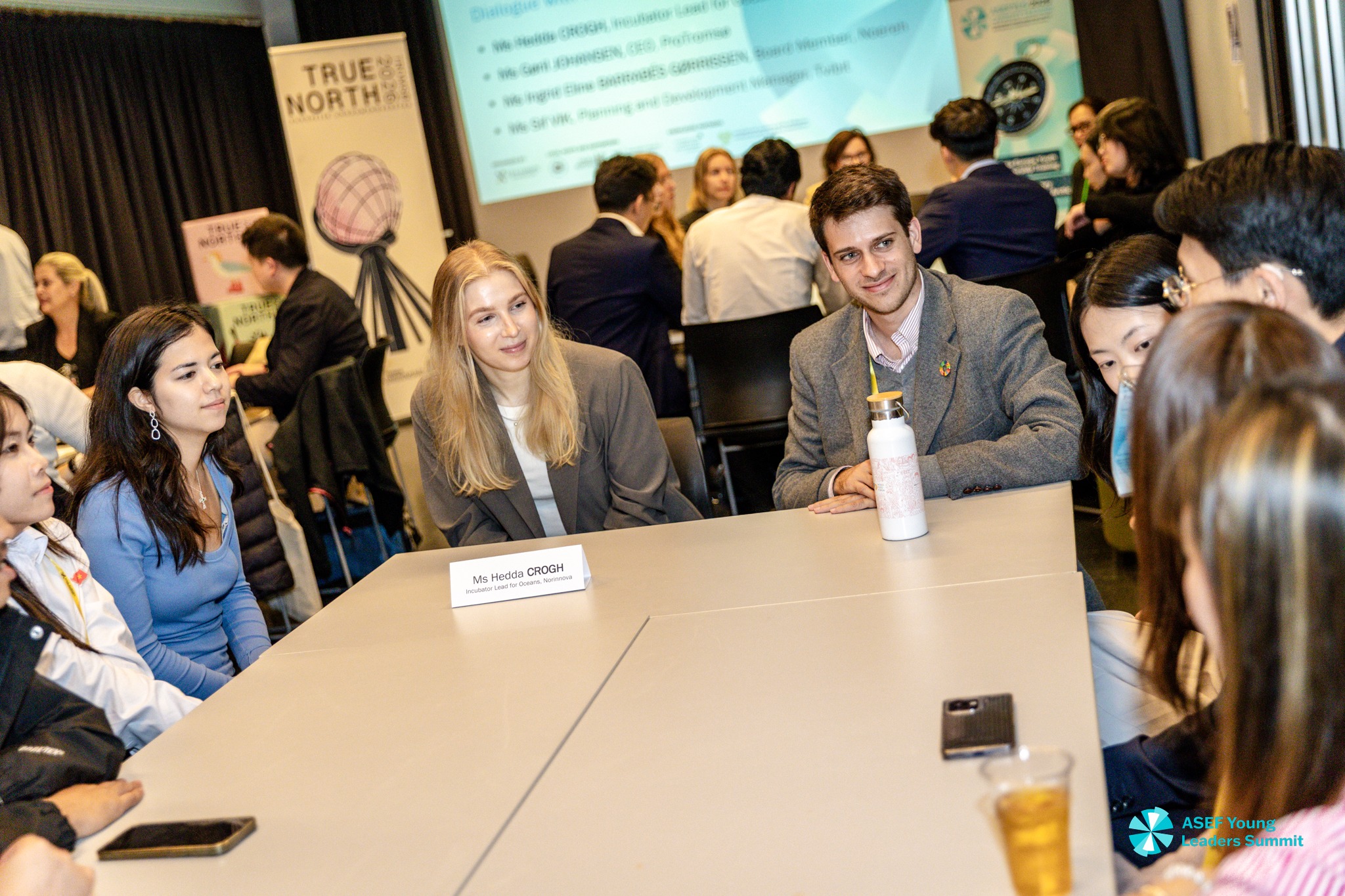
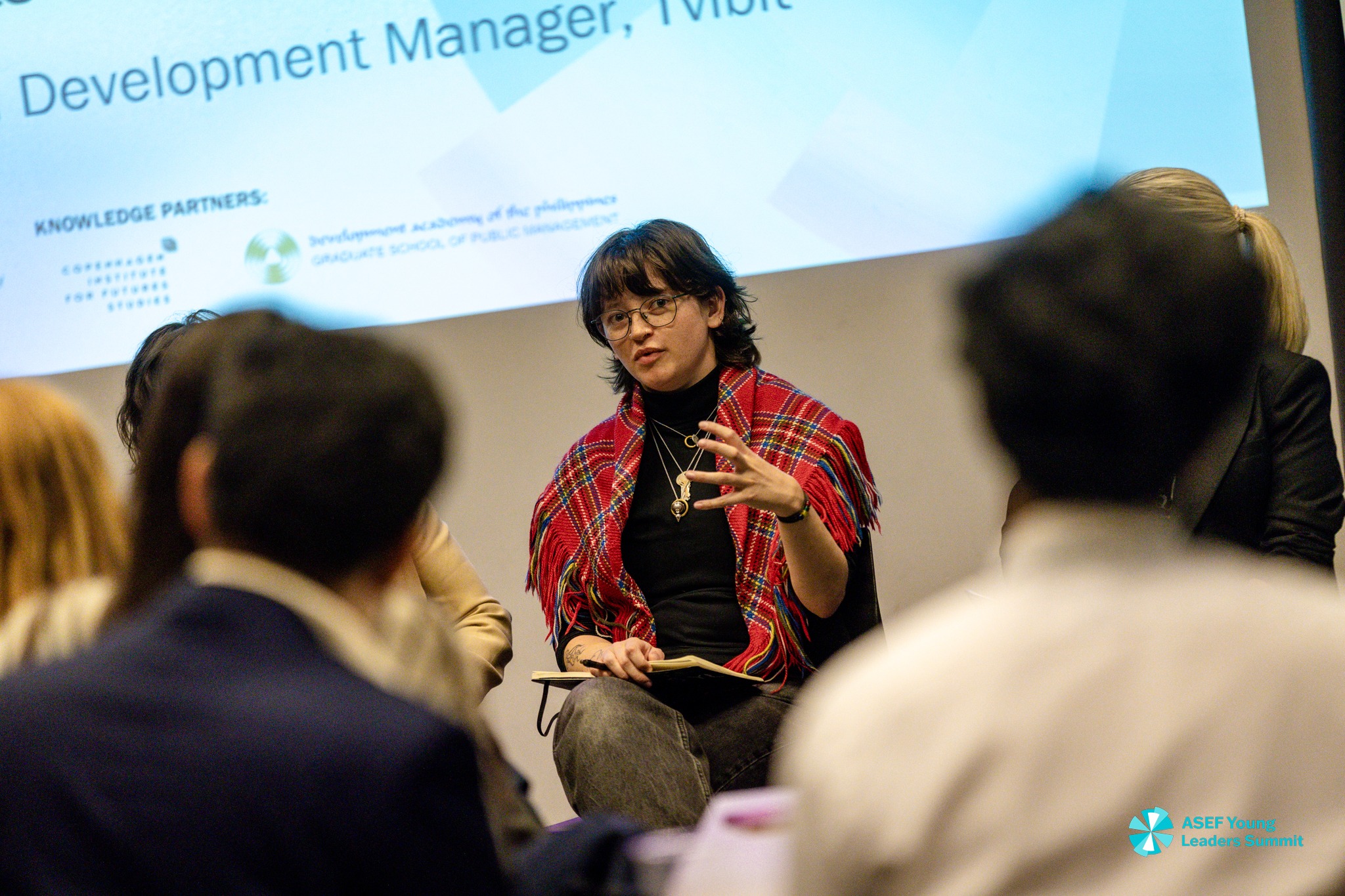
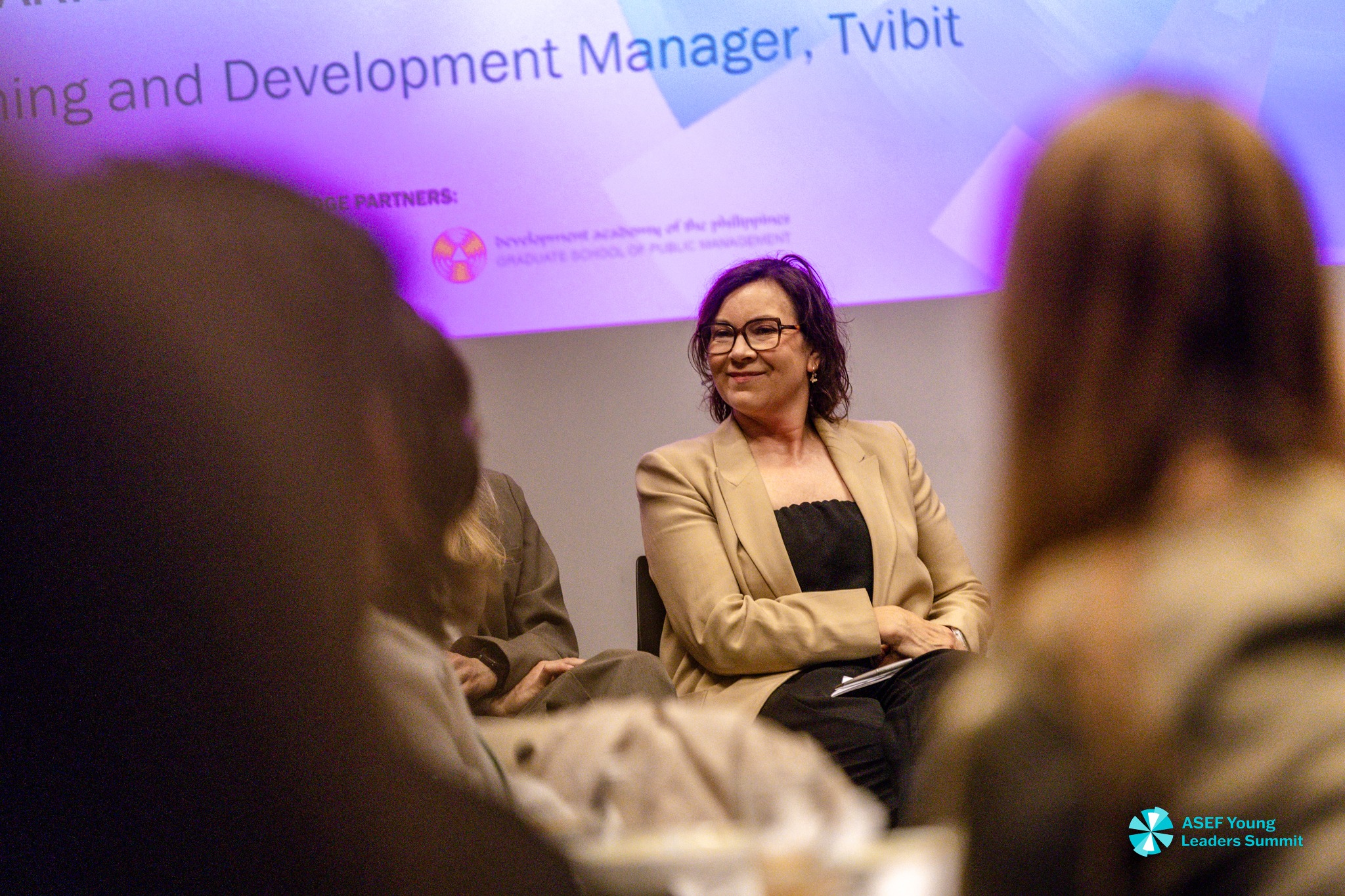
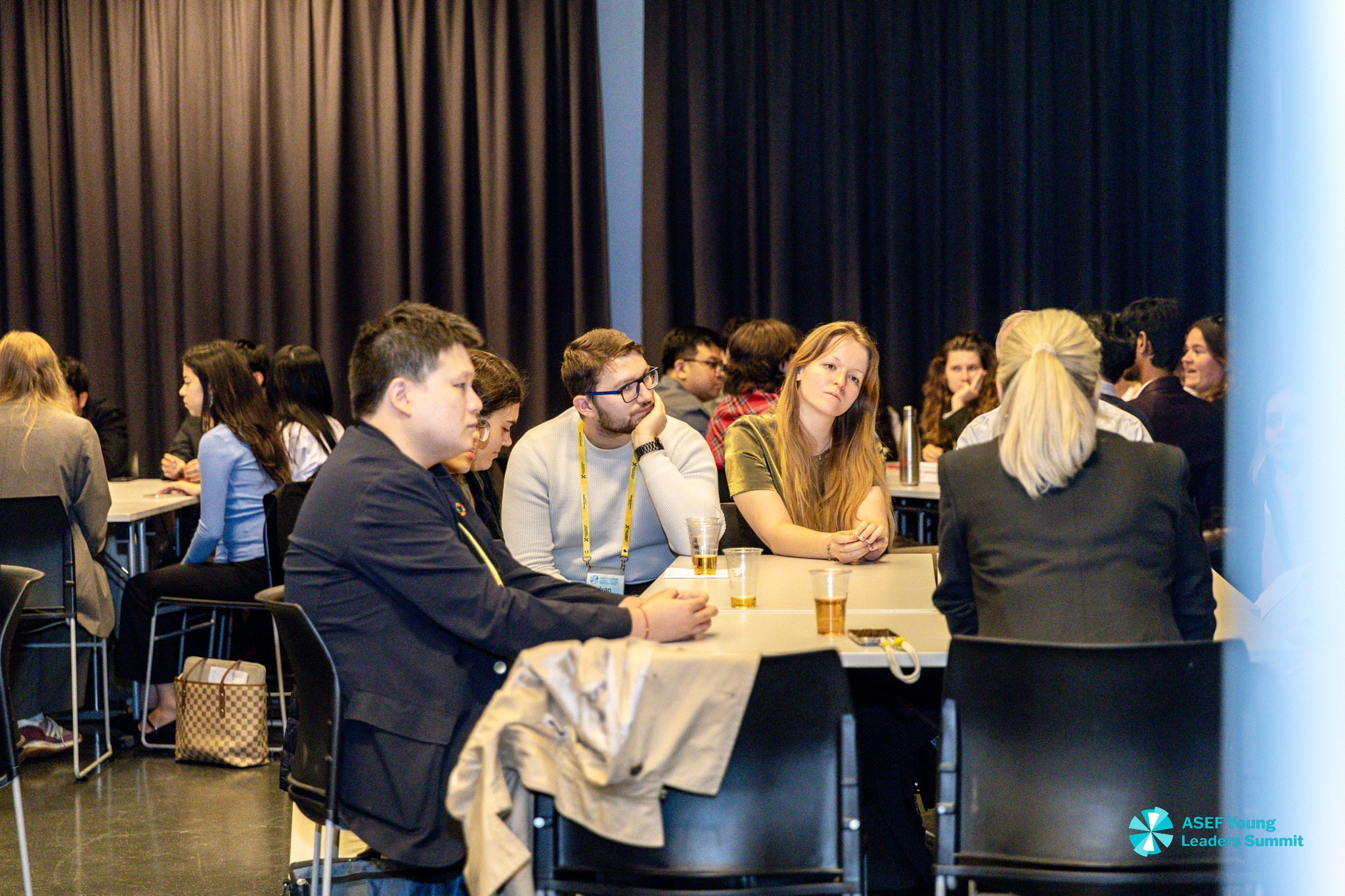
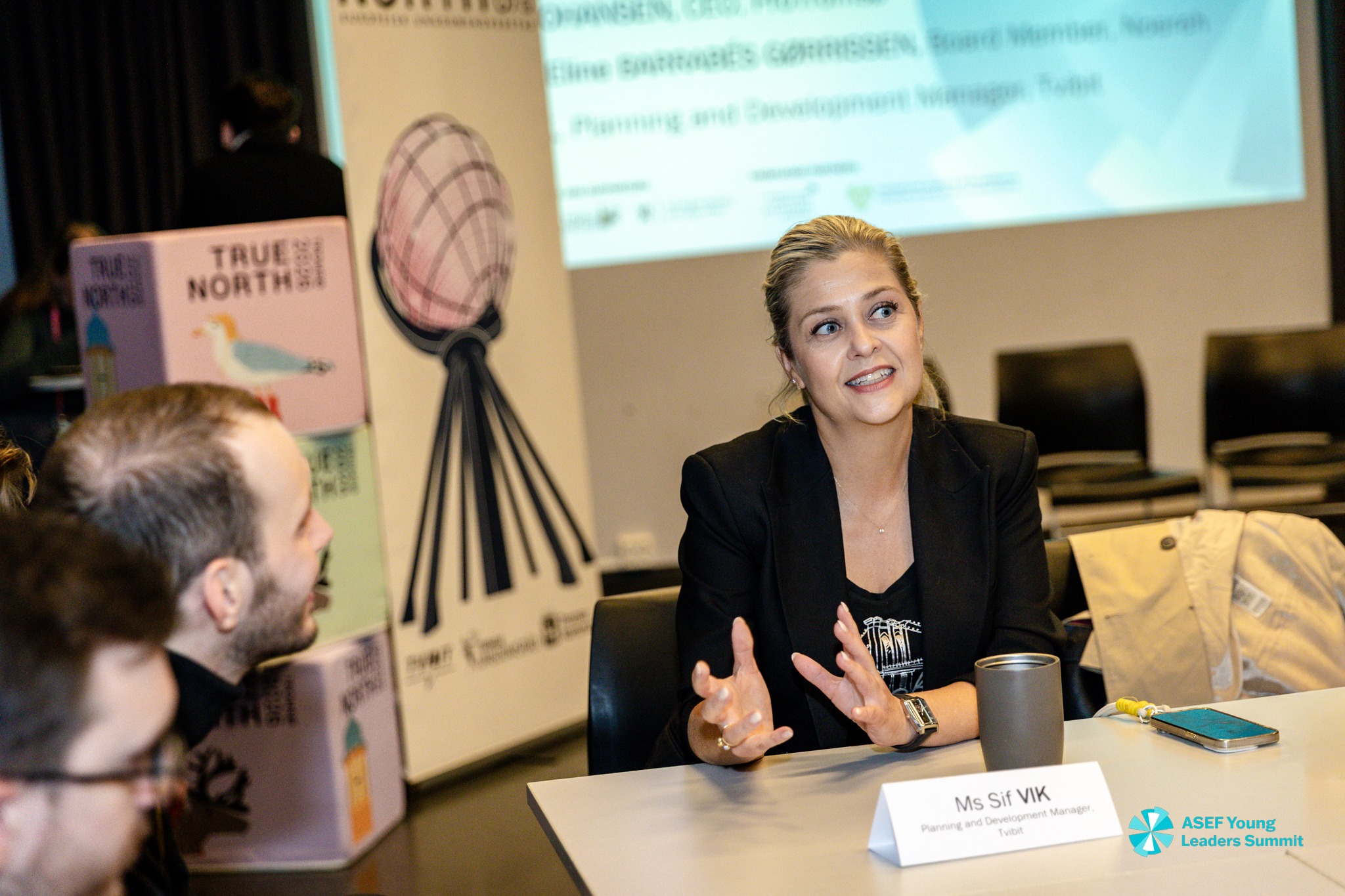
Participants learned about the local communities and indigenous populations in Tromsø and the Arctic through a movie screening of ‘La Elva Leva’ (Let the River Flow), and through dialogue with Local Tromsø Leaders on the leadership skills needed to navigate in times of uncertainty (in the Arctic and beyond). Thank you to our local leaders for joining us:
- Ms Gøril Johansen, CEO of ProTromsø
- Ms Ingrid Eline Barrabés Gørrissen, Noereh
- Ms Hedda Crogh, Incubator Lead for Oceans, Norinnova
- Ms Sif Vik, Planning and Development Manager, Tvibit
Cultural Night and Rakettnatt
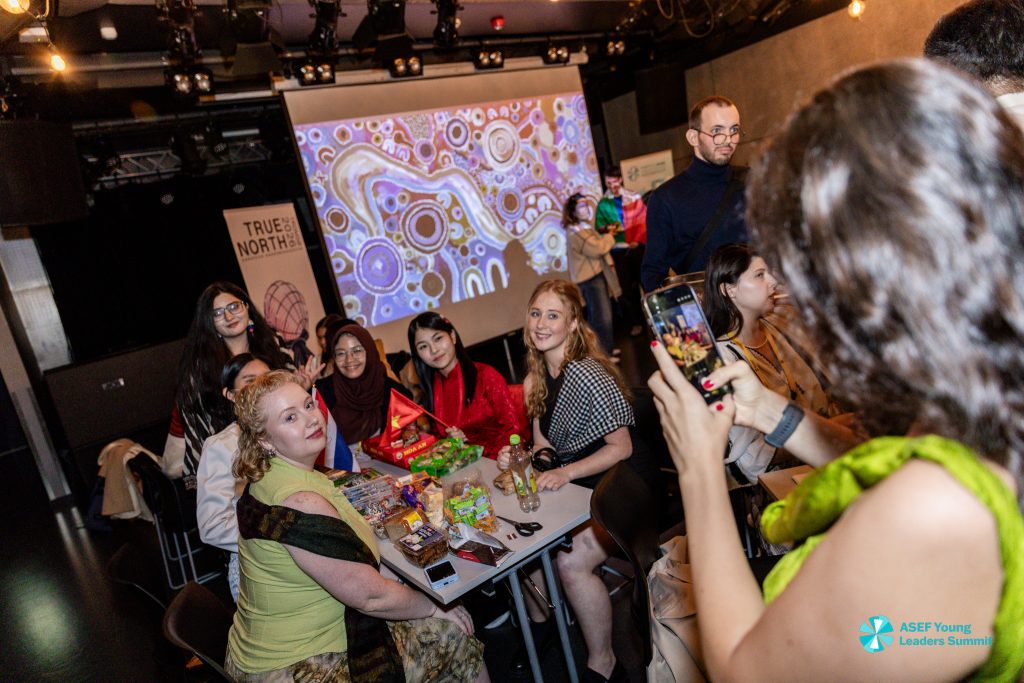
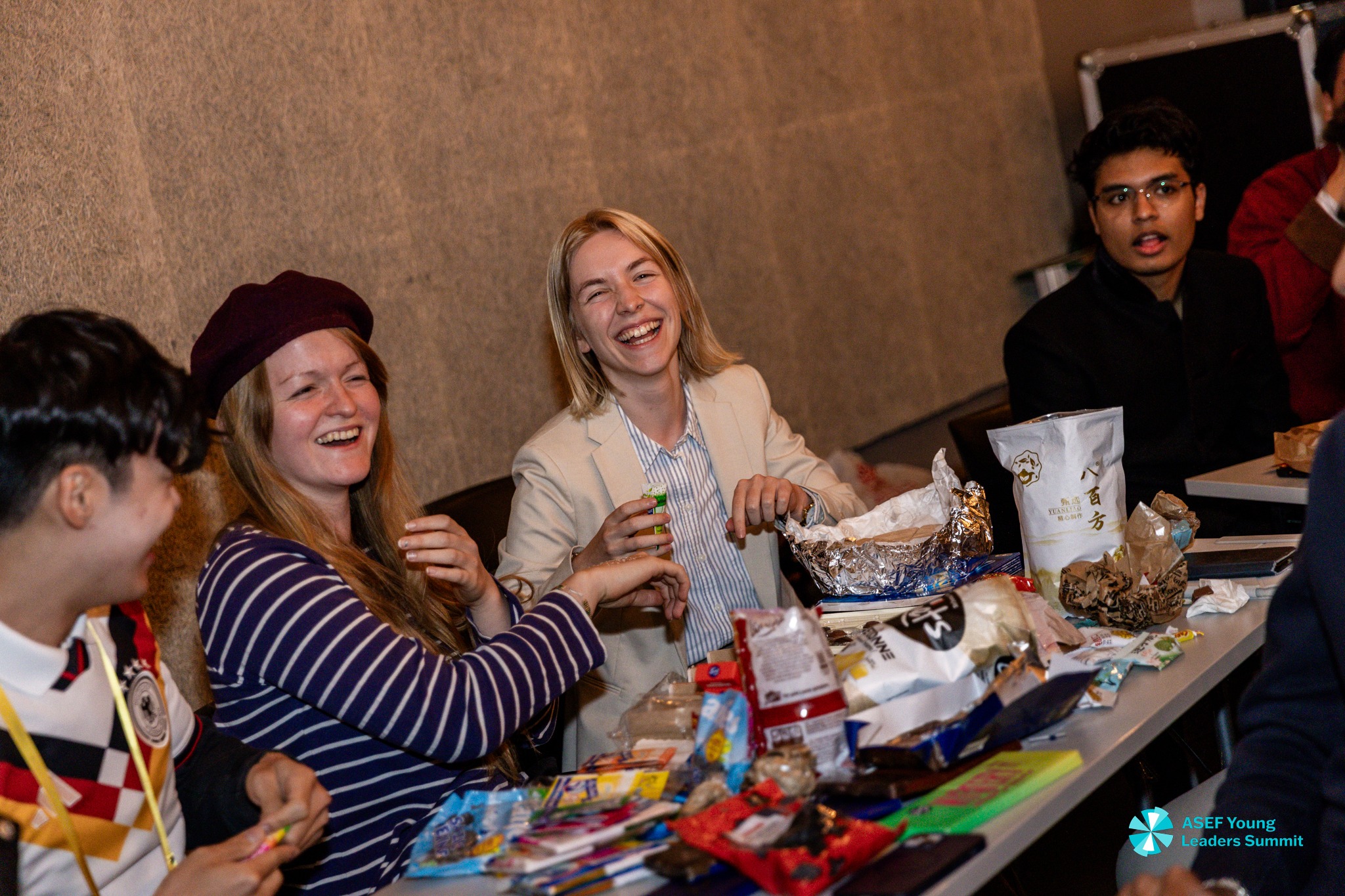
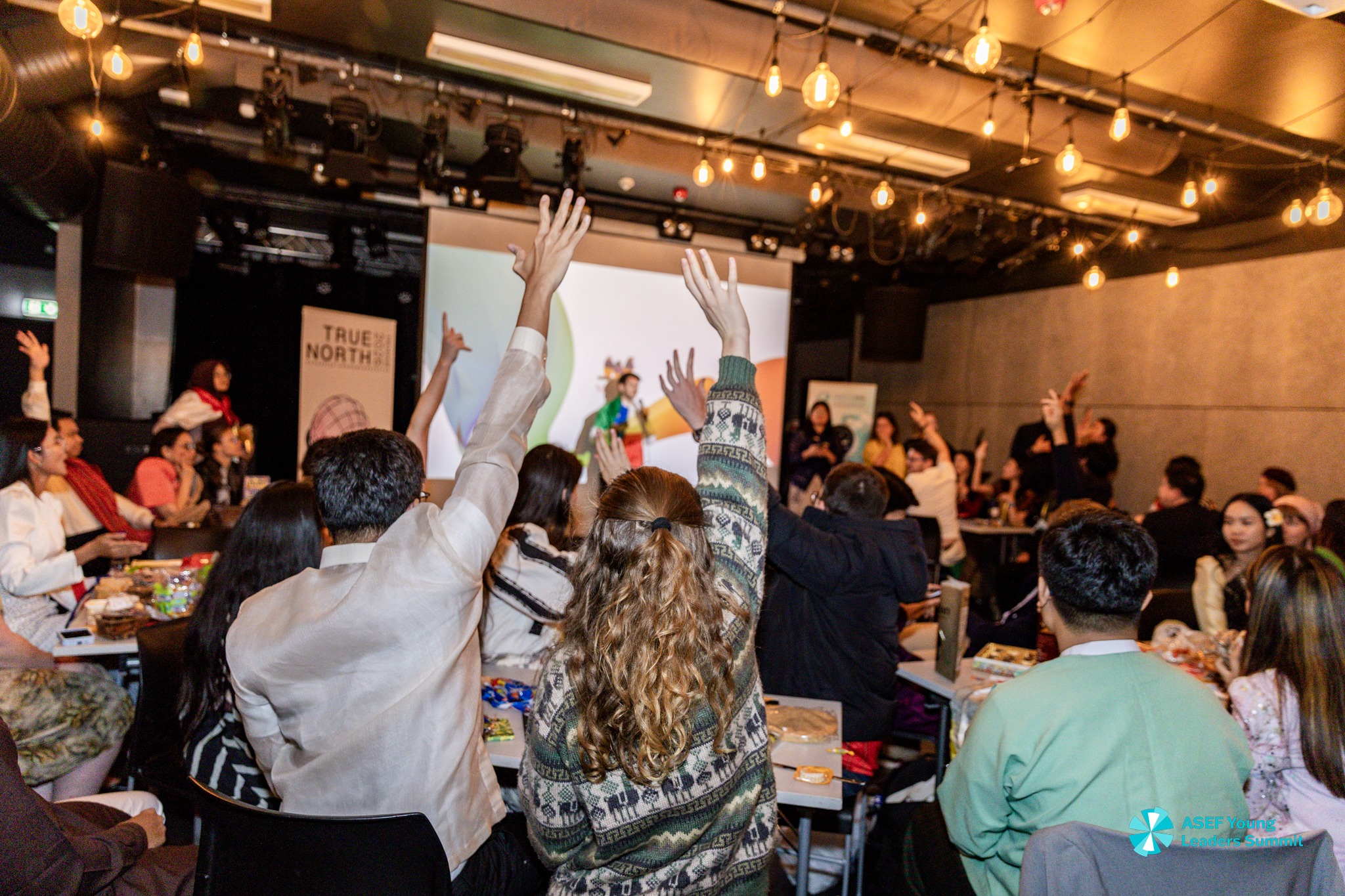
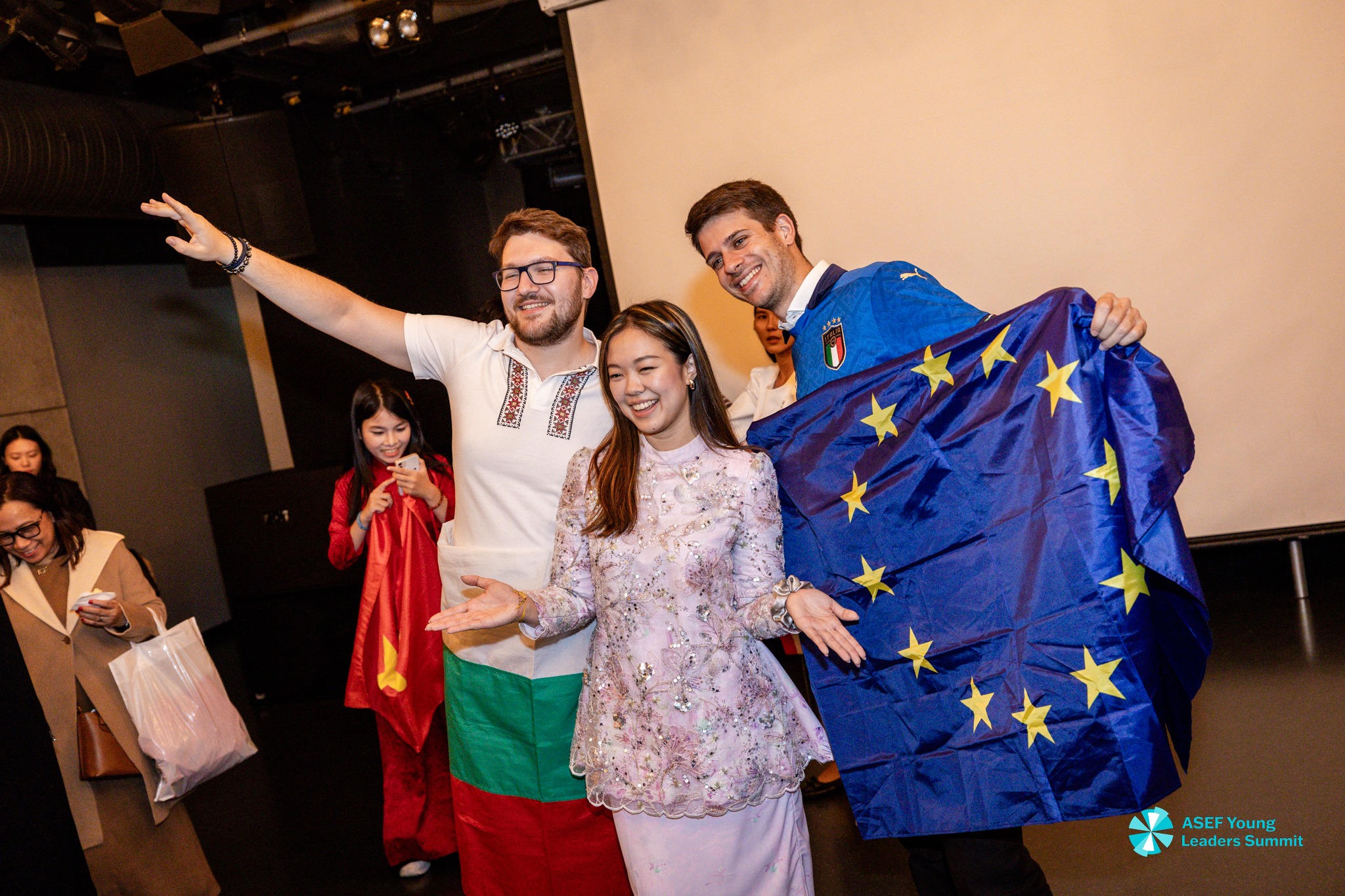
On Wednesday, 27 August, Participants shared their own cultures with each other at the cultural evening. Through songs, performances, quizzes, dances, and sharing of local cuisine, participants got a little glimpse of what diverse backgrounds they all come from – realising they all have more in common than perhaps imagined.
Rakettnatt – a local music festival – immersed the participants in the Norwegian music scene. Even when the lyrics didn’t translate, the emotions and energy did as participants danced through the evening, joined together by the friendships shaped through the programme.
Finally, on Friday 29, the participants enjoyed a projection of the Northern Lights at the Northern Norwegian Science Center and learned how the fantastical sights are actually formed. In the evening, participants were also able to catch the real northern lights out in the city – providing a beautiful closing of learning together.
Closing
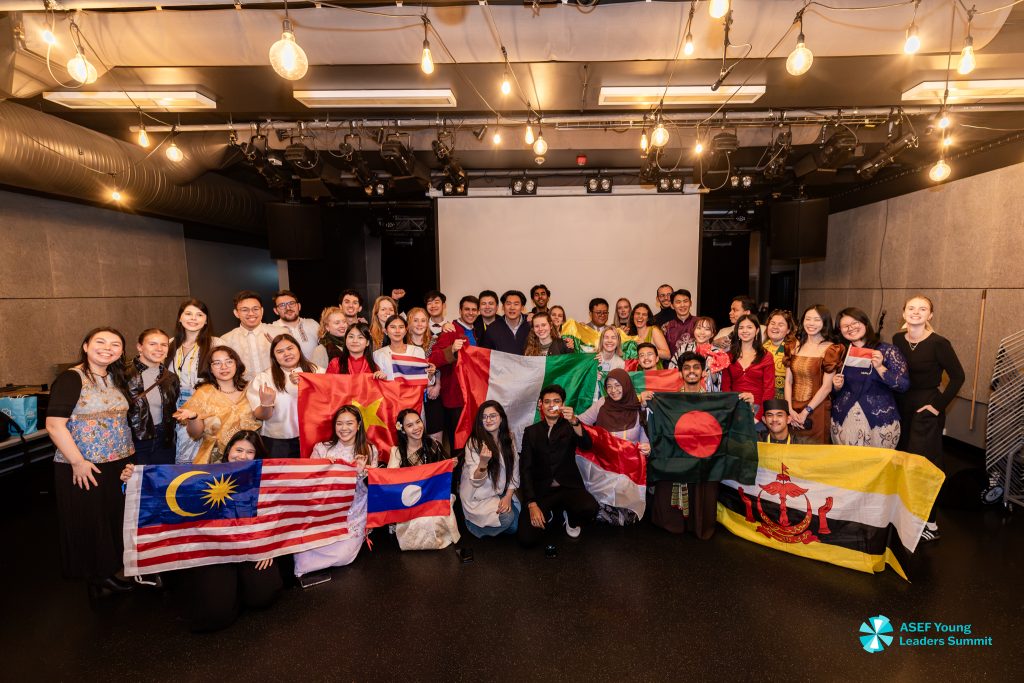
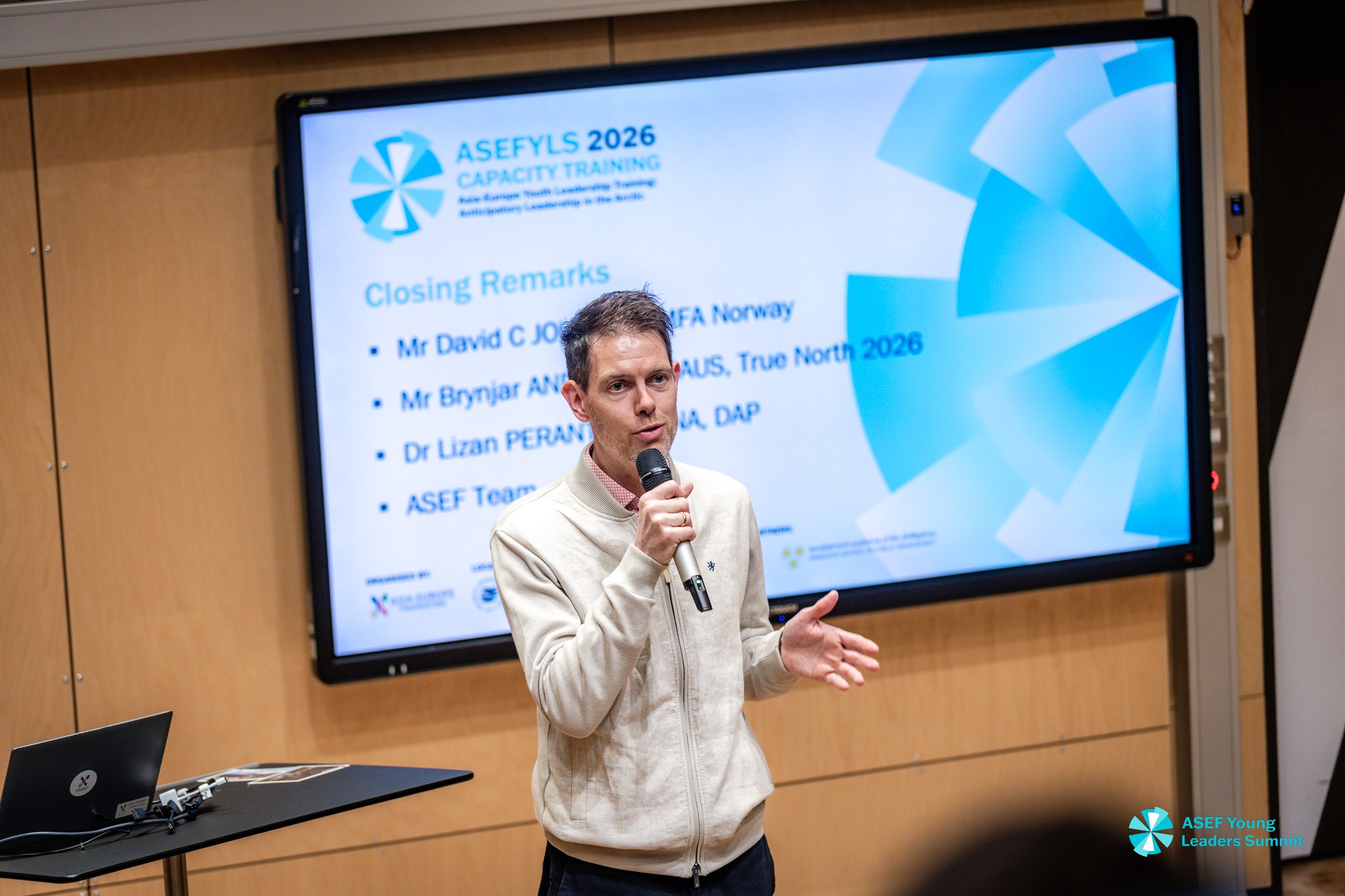
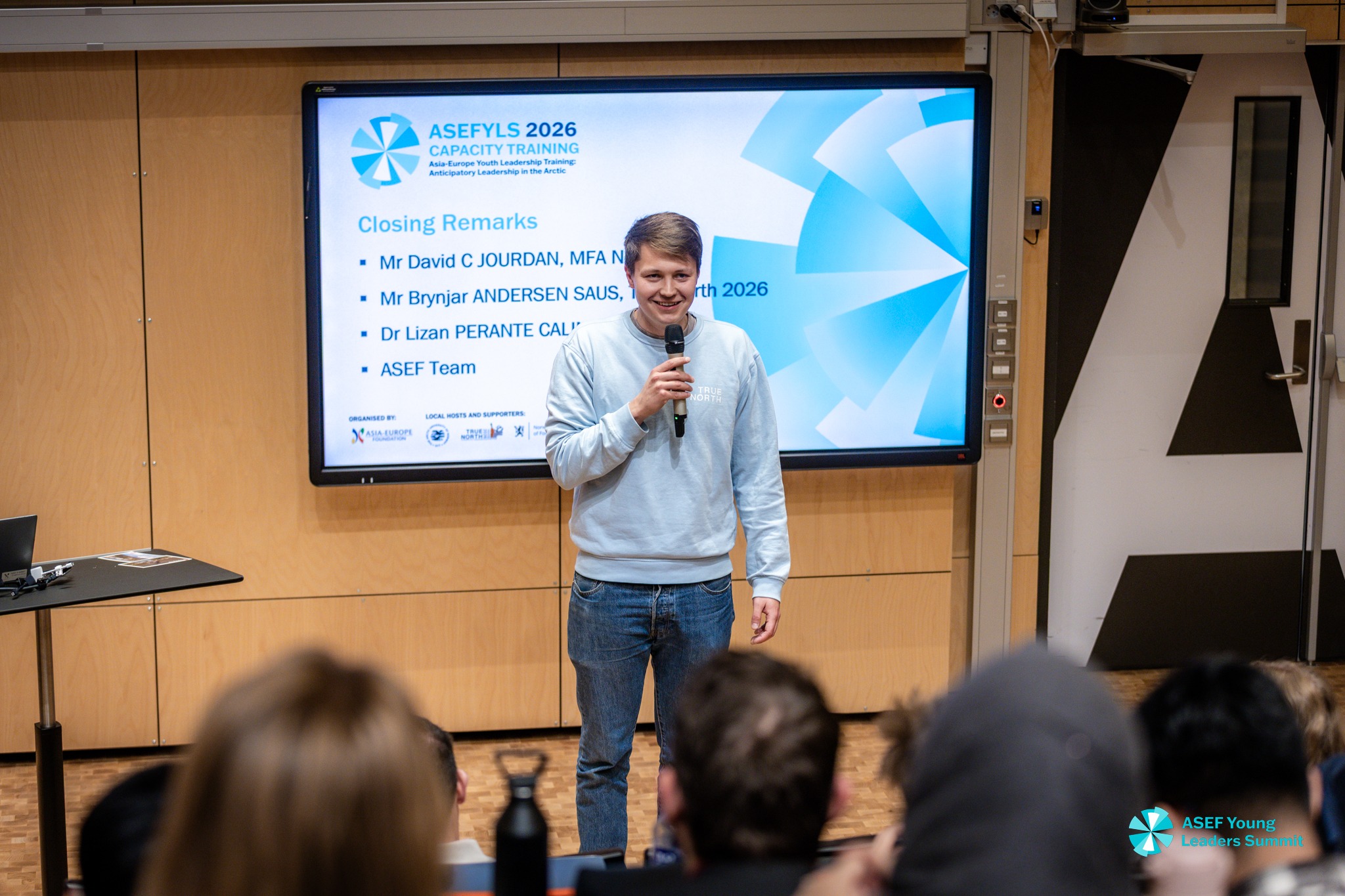
In closing, Mr David Jourdan, Senior Advisor at the Norwegian Ministry of Foreign Affairs and Mr Brynjar Andersen Saus, Project leader at True North 2026 delivered their closing remarks on behalf of the local hosts and partners. They encouraged the participants to make the most out of their learnings and to continue to contribute to their communities.
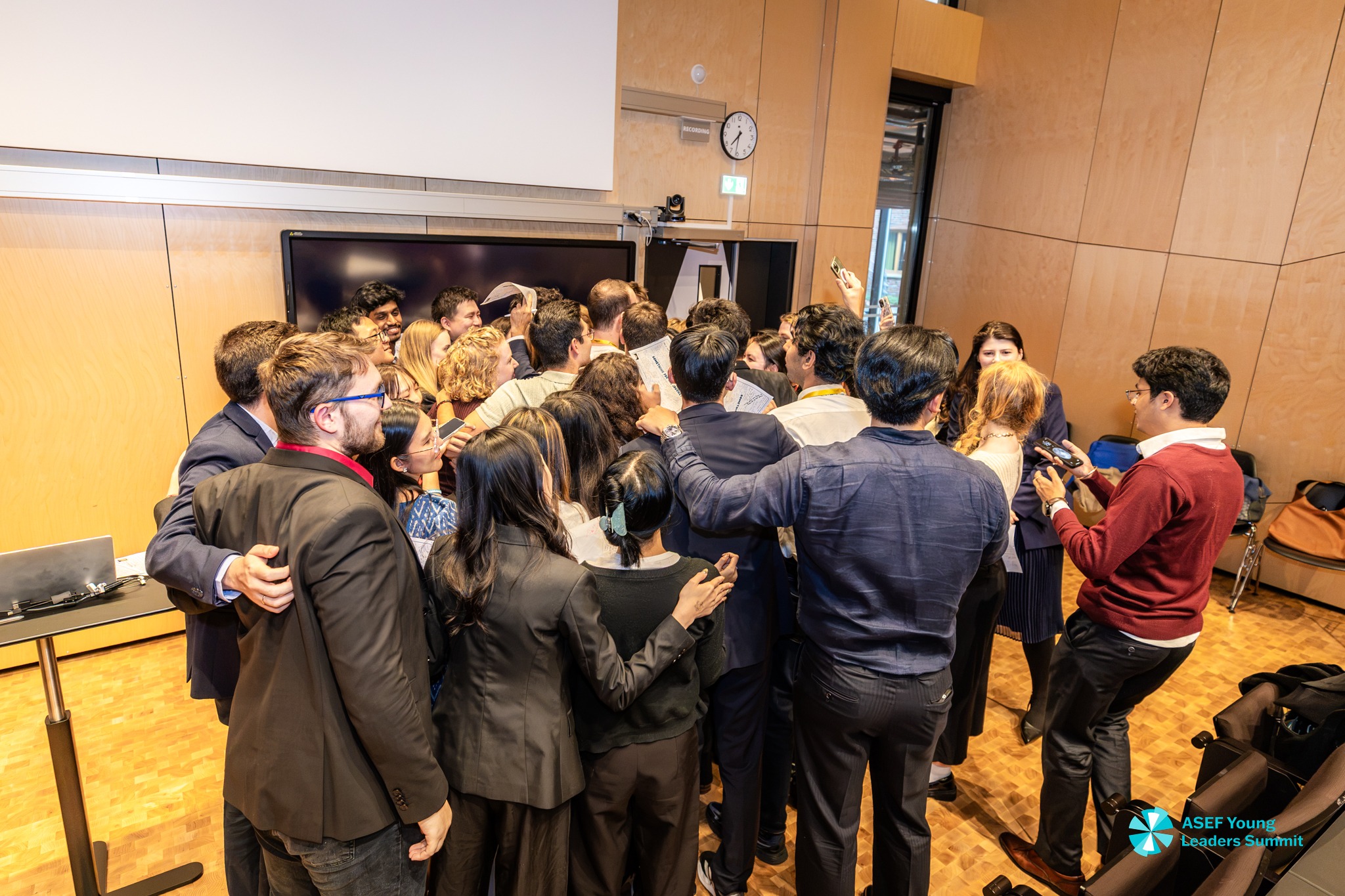
Our wish is that the participants will use their new-found knowledge and the connections built to bridge the two regions to better navigate uncertain futures.
In the next phase, the young leaders will return to their communities to organise ”Multiplier Activities” to disseminate their learnings and spread the knowledge of ”Anticipatory Leadership”.
If you have any questions, feel free to contact us at asefyls@asef.org