Ready to explore the importance of higher education in ‘Science Diplomacy’?
We invited educators, university lecturers, academic leaders, and researchers and practitioners across disciplines interested in exploring the relevance of science diplomacy within teaching and academic contexts to join us for the ‘Science Diplomacy Education Symposium’.
Science and Technology Diplomacy is gaining global traction, with growing recognition of its role in addressing geopolitical, sustainability, and innovation challenges. Building on this momentum, this symposium responds to the need to more actively engage educators and academic institutions in shaping how science diplomacy is taught and practiced, positioning universities as key actors in advancing the field.
The symposium aimed to strengthen the capacity of educators and institutions to engage with science diplomacy – to equip the next generation with the knowledge and perspectives needed to address global challenges, fostering long-term cooperation, policy innovation, and more resilient, sustainable, and peaceful societies.
The symposium was co-organised by the Central European Scientific Society of Innovation and Technology (CESSIT) and ASEF, and part of the Asia-Europe Science and Technology Diplomacy Initiative for Young Professionals.
The Symposium took place on Wednesday, 20 May between 16:00-18:00 SGT | 10:00-12:00 CEST.
Read more about the session and watch the recording below!
Science Diplomacy Education Symposium
Wednesday, 20 May 2026 | 16:00-18:00 SGT | 10:00-12:00 CEST | Zoom
This symposium explored how education shapes and advances science diplomacy across policy, higher education, and institutional practice. It examined how academic institutions and educators contribute to raising awareness, building understanding, and preparing future generations to engage with global challenges at the intersection of science, policy, and international relations.
Moderator
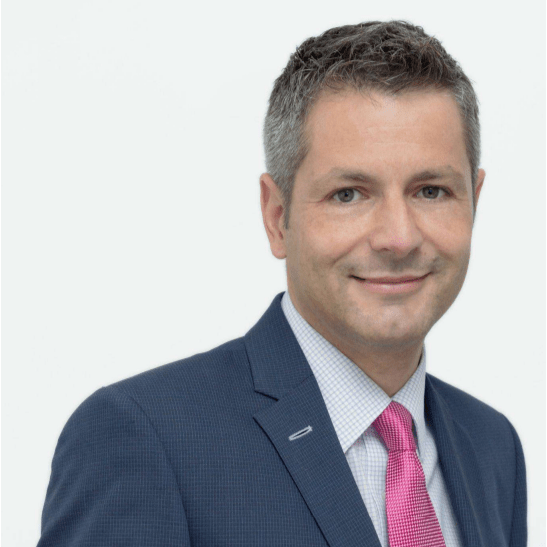
Prof. Gábor PÖRZSE
Semmelweis University; Corvinus University of Budapest; President, Central European Scientific Society of Innovation and Technology; Head of Research, Innovation Horizons Research Group, Future Potential Observatory (FPO), MOME
Prof Gábor Ferenc Pörzse completed his studies at the Faculty of General Medicine of Semmelweis University of Medical Sciences, the Faculty of Economics and Business Administration of the University of Szeged, the Imperial College Management School in London, and the John F. Kennedy School of Government at Harvard University in the United States. He has been an active participant in the development of the 5th, 6th, and 7th Framework Programmes for Research and Technological Development of the European Union, having served for years as the national coordinator of the programme and a member of the Programme Committee (PC).
In 2001, he received the British Chevening Award, a prestigious scholarship funded by the British government. He is a permanent expert in the Member States Contact Group, a committee established by the European Commission to promote innovative pharmaceutical development in Europe, representing the member states. He also contributed to the development of the Innovative Medicines Initiative, a European Technology Platform. He obtained both his Ph.D. and habilitation in this field. Pörzse is president or board member of several professional societies and associations and is a frequent invited speaker at both national and international forums. He is currently a lecturer at Semmelweis University and Corvinus University of Budapest.
Speakers
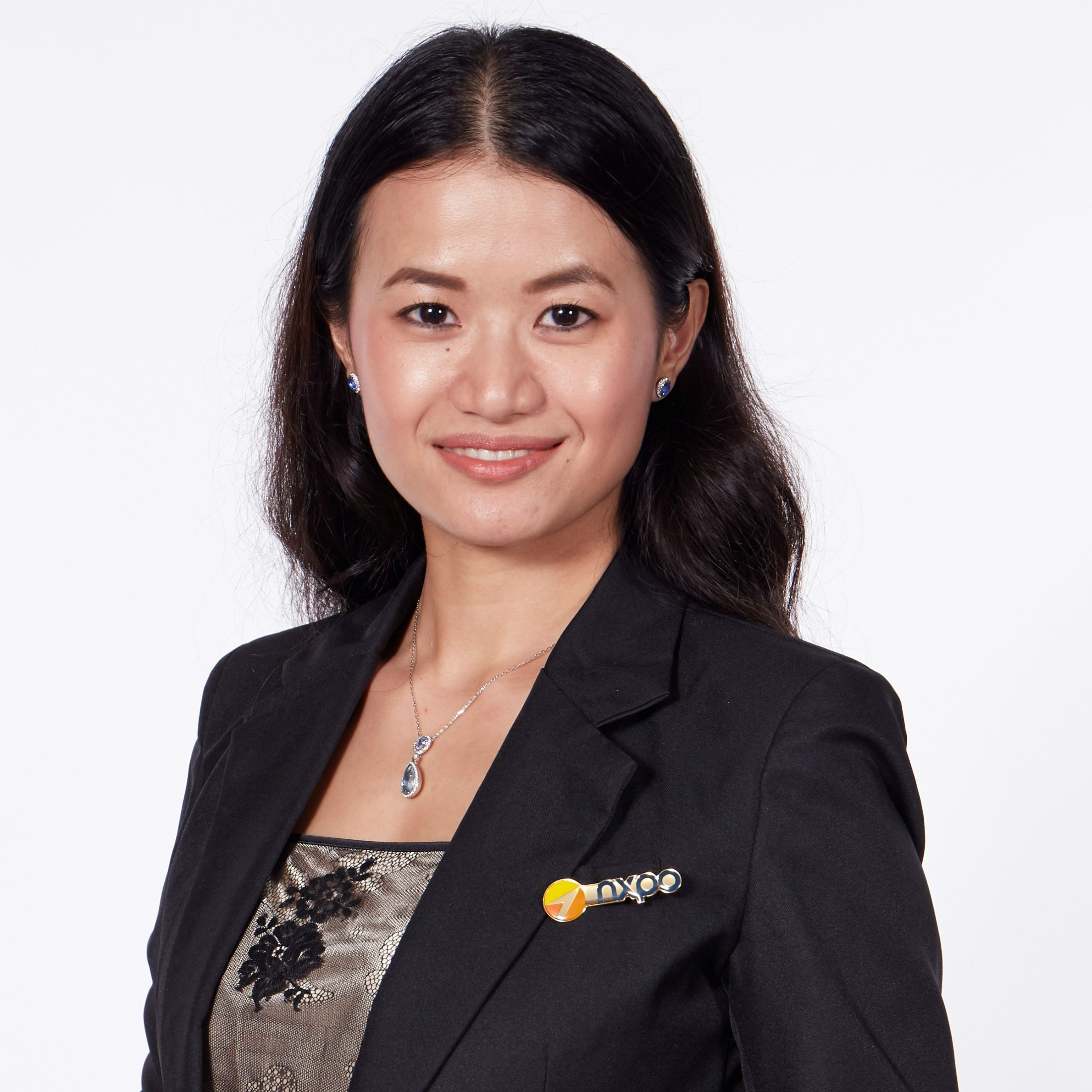
Dr Pranpreya SRIWANNAWIT LUNDBERG
Senior Director of International Policy Partnership at the Office of National Higher Education, Science, Research and Innovation Policy Council (NXPO)
Dr Pranpreya Sriwannawit Lundberg is Senior Director of International Policy Partnership at the Office of National Higher Education, Science, Research and Innovation Policy Council (NXPO) in Bangkok, Thailand. She leads international collaboration efforts on higher education, science, research, and innovation policy, working across multilateral and bilateral platforms. She has represented the Government of Thailand in various international committees and task forces including the OECD Committee for Scientific and Technological Policy (CSTP), the UN ESCAP Committee on Information and Communications Technology, Science, Technology and Innovation (CICTSTI), and the BIMSTEC Expert Group on Human Resources Development. She has also served on secondment as Assistant to the Minister of Science and Technology and the Minister of Higher Education, Science, Research and Innovation. Pranpreya holds a PhD in Industrial Economics and Management from KTH Royal Institute of Technology in Stockholm, Sweden.
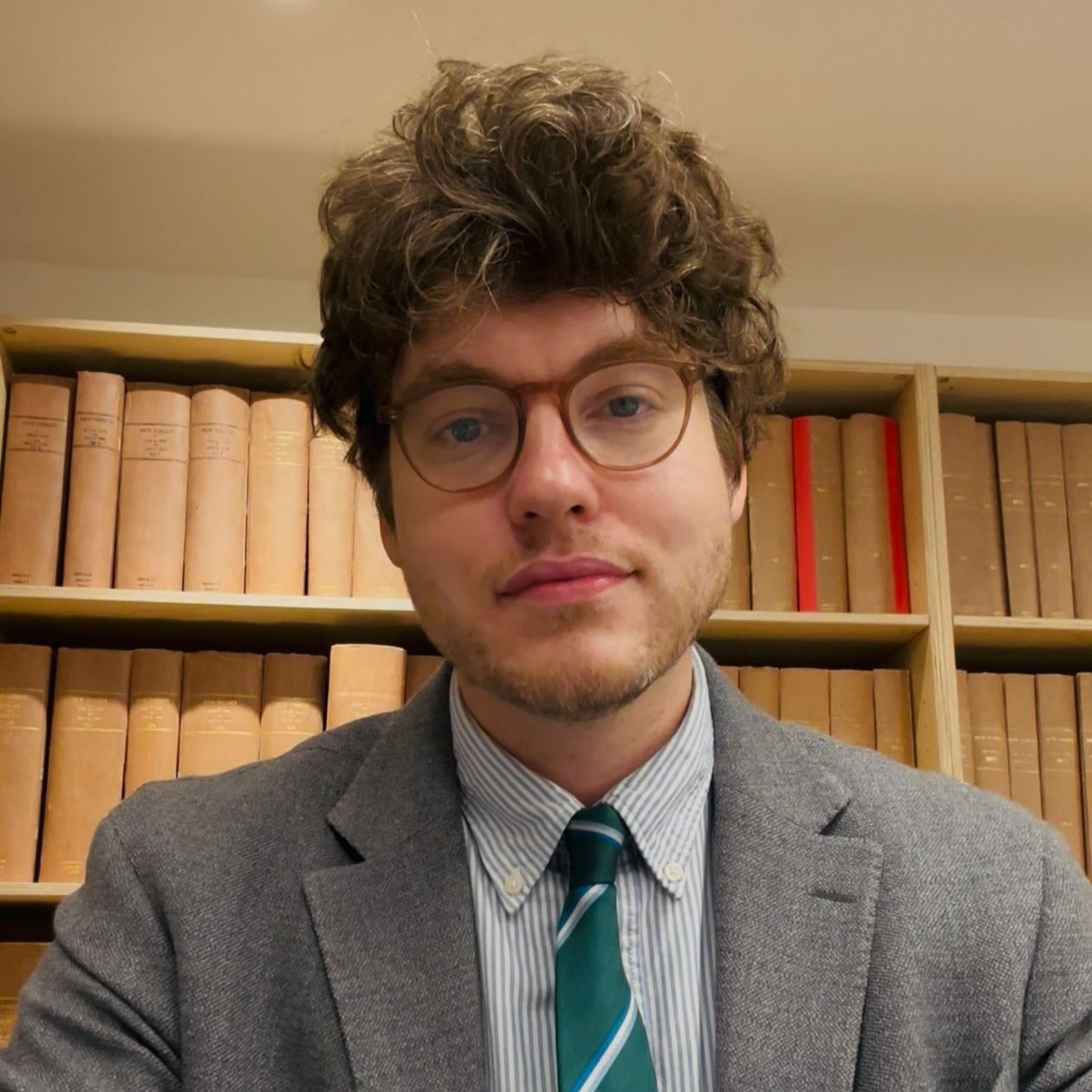
Mr Eric PIAGET
Science Diplomacy Coordinator, EUTOPIA European University
Mr Eric Piaget is the Science Diplomacy Coordinator for EUTOPIA, based at the Vrije Universiteit Brussel (VUB). He is also a researcher at the United Nations University’s Institute on Comparative Regional Integration Studies (UNU-CRIS), where he focuses on various facets of modern diplomacy within the Unit on Non-Traditional Diplomacy (UNTRAD). In the latter half of 2022, he served as Chair of the EU Science Diplomacy Alliance along with Luk Van Langenhove. Prior, he worked for the Swedish ministry of foreign affairs, the Unrepresented Nations and Peoples Organisation (UNPO), the EU Publications Office, and the EU think tank, Friends of Europe. He is a graduate from the University of Sussex and the VUB, where he studied modern history and international relations. As a dual national of Sweden and the United States, he is very passionate about maintaining strong transatlantic ties.
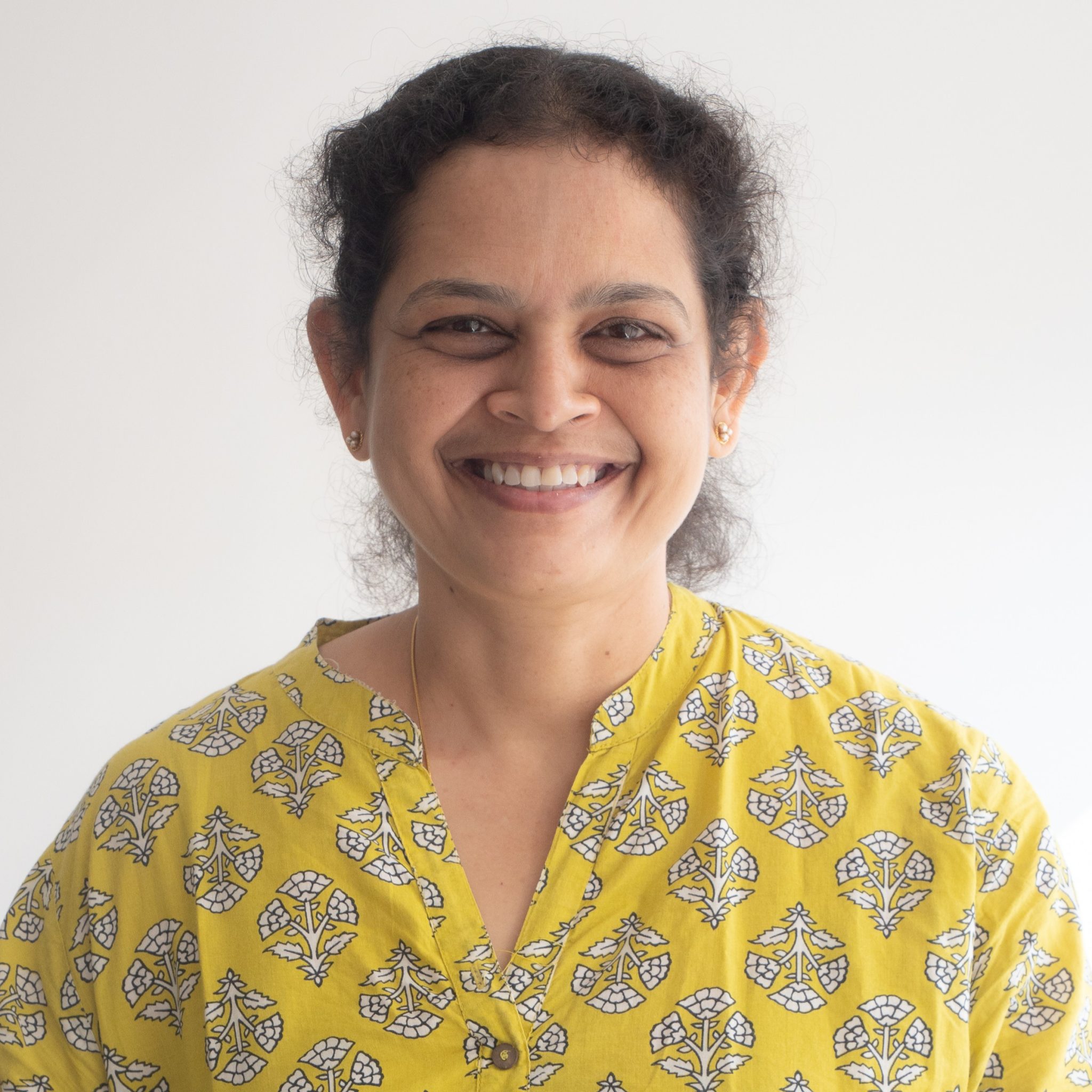
Dr Suneetha MAZHENCHERY SUBRAMANIAN
Research Fellow and Academic Associate, Biodiversity and Society Programme, Institute for the Advanced Study of Sustainability, United Nations University
Dr Suneetha M Subramanian is a Research Fellow and Academic Associate in the Biodiversity and Society Programme at UNU-IAS. She has more than 15 years of experience in international and sub-national research and capacity building activities relating to biodiversity and human well-being with a focus on equity; traditional knowledge; linking policy goals to local priorities and community well-being; assessment of changes to ecosystems and human well-being; socio-ecological resilience; and joint implementation of policies and actions on health and biodiversity at the community level. Dr. Subramanian has been involved as a coordinating lead author in various assessments of the Intergovernmental Science-Policy Platform on Biodiversity and Ecosystem Services (IPBES).
Dr Jean-Christophe MAUDUIT
Associate Professor of Science Diplomacy, University College London (UCL); Co-Chair, International Science Council Expert Group on Science Diplomacy; Former Co-Chair, European Union Working Group on Science Diplomacy Capacity Building
Dr. Jean-Christophe (JC) Mauduit is an Associate Professor of Science Diplomacy at University College London (UCL) in the Department of Science, Technology, Engineering and Public Policy (STEaPP). Prior to joining UCL, he was a Visiting Scholar at the American Association for the Advancement of Science in Washington, D.C. as well as an Associate Director at the Science Diplomacy Center at the Fletcher School of Law and Diplomacy (Tufts University, Boston). He has worked for the Centre National de la Recherche Scientifique (Nice, France) on the European Space Agency “Gaia” satellite mission and for the California Institute of Technology (Pasadena, California) on the NASA Spitzer satellite mission. He was also a Project Officer for the International Astronomical Union (Cape Town, South Africa) focusing on scientific development issues. Dr. Mauduit holds a B.Sc. (Magistère, Theoretical Physics, Paris XI-Orsay, 2002), an M.Sc. (DEA, Gravitational Systems Dynamics, Paris Observatory, 2003), a Ph.D. in Astrophysics (Extragalactic Astronomy, Paris Observatory, 2007) and an M.A. in Law and Diplomacy (Fletcher School, 2017), specializing in International Organizations, Environmental & Resource Policy and Science Diplomacy. He is a member of the International Astronomical Union, the American Astronomical Society and the American Association for the Advancement of Science. Beyond UCL, he also served as the Co-Chair of the European Union Working Group on ‘Building capacity for EU science diplomacy’ and is also currently the co-Chair of the International Science Council Expert Group on science diplomacy.
WHO JOINED?
- Educators, university lecturers, and academic leaders across disciplines interested in exploring the relevance of science diplomacy within teaching and academic contexts.
- Researchers and practitioners engaged in science diplomacy who are interested in connecting their expertise to education and knowledge-sharing.
The webinar series aims to provide an introduction to Science and Technology Diplomacy and strengthening the capacity of educators and institutions to engage with science diplomacy. No prior knowledge of the topic is required.
Contact & More Information
For questions or more details, contact us at info@cessit.org and/or scitech@asef.org.
Start your Science and Technology Diplomacy journey with CESSIT and ASEF and join us!
This symposium is organised as part of the Asia-Europe Science and Technology Diplomacy Initiative for Young Professionals.