Ready to increase your knowledge of Science and Technology Diplomacy?
We invited university students from Asia and Europe to join us for the 2026 webinar series ‘Young Minds, Global Bridges: Discovering the Power of Science Diplomacy’.
The four-part webinar series, organised between 15 April – 6 May 2026, was designed to introduce university students to the dynamic intersection of science, policy, and international relations. Through interactive discussions and real-world examples, participants were able to explore how scientific collaboration shapes global diplomacy, how political decisions influence scientific progress, and what career pathways exist in this complex and dynamic field.
The series was organised in partnership with the Central European Scientific Society of Innovation and Technology (CESSIT) and as part of the Asia-Europe Science and Technology Diplomacy Initiative for Young Professionals.
You can learn more about the individual sessions below. All webinars took place between 16:00-17:30 SGT | 10:00-11:30 CEST:
- Webinar 1 | 15 April 2026: Science Impacting Diplomacy
- Webinar 2 | 22 April 2026: Diplomacy Impacting Science
- Webinar 3 | 29 April 2026: Science Diplomacy Entry Points
- Webinar 4 | 6 May 2026: Careers in Science Diplomacy
Read more about each session below and catch up on the recordings!
WEBINAR 1 | WEDNESDAY, 15 APRIL 2026 | Science Impacting Diplomacy
16:00-17:30 SGT | 10:00-11:30 CEST | Zoom
In this session, we introduced the theoretical concept of Science Impacting Diplomacy, and how scientific knowledge and collaboration shape international relations. We looked at the history of ‘Science Diplomacy’ and presented examples of science diplomacy in action through science-driven diplomatic breakthroughs in Asia and Europe (climate negotiations, global health responses, nuclear disarmament verification).
Keynote Presenter and Panellist
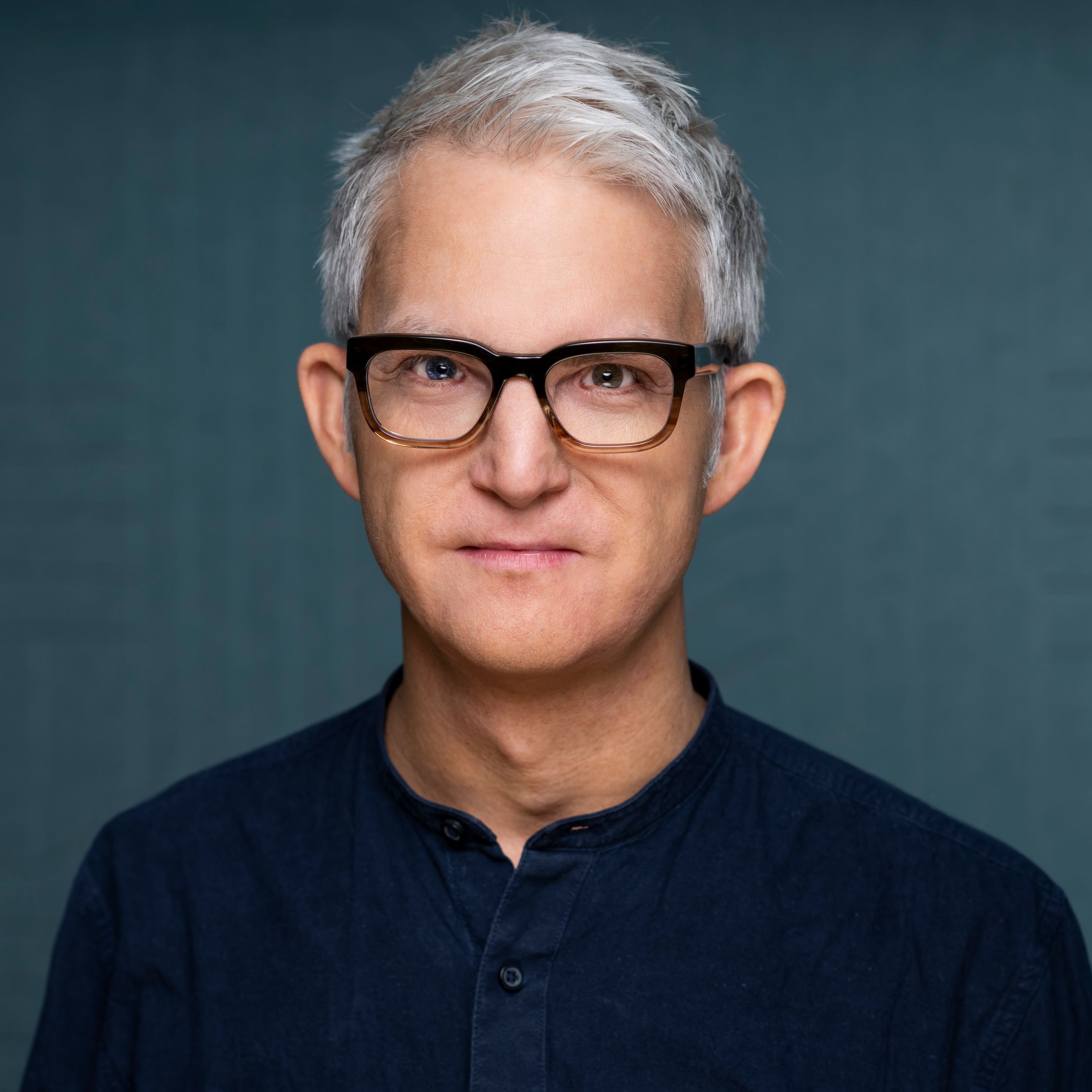
Dr Tim FLINK
Manager of R&D Policy, Verband der forschenden Arzneimittelhersteller (vfa)
Dr Tim Flink leads research and innovation policy at the Association of Research-Based Pharmaceutical Companies (vfa), where he fosters dialogue among science, politics, and global pharmaceutical companies to advance rigorous, research-driven pharmaceutical and biotech innovation. Previously, he served as a scientific advisor to the German Bundestag on EU and international research policy, health research, research security, and data infrastructures. Over 14 years as a scholar and lecturer at Humboldt-Universität zu Berlin, the Berlin Social Science Center (WZB), and the German Centre for Higher Education Research and Science Studies (DZHW), Dr. Flink authored the first social history of the European Research Council and the first internationally comparative study of science diplomacy. He also advised the inaugural EU science diplomacy project (EL-CSID) and co-led the Horizon 2020 S4D4C project, “Using Science for/in Diplomacy for Addressing Global Challenges.”
Panellists
Dr Joannes Ekaprasetya Tandjung, known as JET, is a career diplomat with more than two decades of service at the Ministry of Foreign Affairs of the Republic of Indonesia, currently serving as Director for Strengthening Partnership of Research and Innovation at the National Research and Innovation Agency. Prior to this assignment, Dr Tandjung was tasked as the Minister Counsellor in Indonesian Embassy in Seoul from October 2020-July 2024. Tandjung was graduated as Doctor of Philosophy (PhD) in the University of Sydney, Law Faculty in 2019. He obtained a Master’s degree study in the same university focusing on International Law (MIL) back in 2006. During the second decade of his career in the Foreign Ministry, he was tasked as Deputy Director on Economic, Trade, Investment and Social Cultural Treaties, whereas in the first decade of his career in the Foreign Ministry, Joannes was specialised in multilateral affairs, including Indonesia’s active role in the United Nations and its bodies/agencies, World Trade Organization, World Intellectual Property Organization, Non-Aligned Movement.
Joannes has been posted in the Permanent Mission of the Republic of Indonesia to the United Nations, World Trade Organization and other International Organizations in Geneva, Switzerland (2007-2011) and Permanent Mission of the Republic of Indonesia to the European Community in Brussels, Belgium (2004). In line with his work and study, Joannes is a dedicated promoter of economic and cultural diplomacy through Batik and traditional textiles/fashion. He has also appeared as presenter and moderator in various events in Indonesia and abroad.
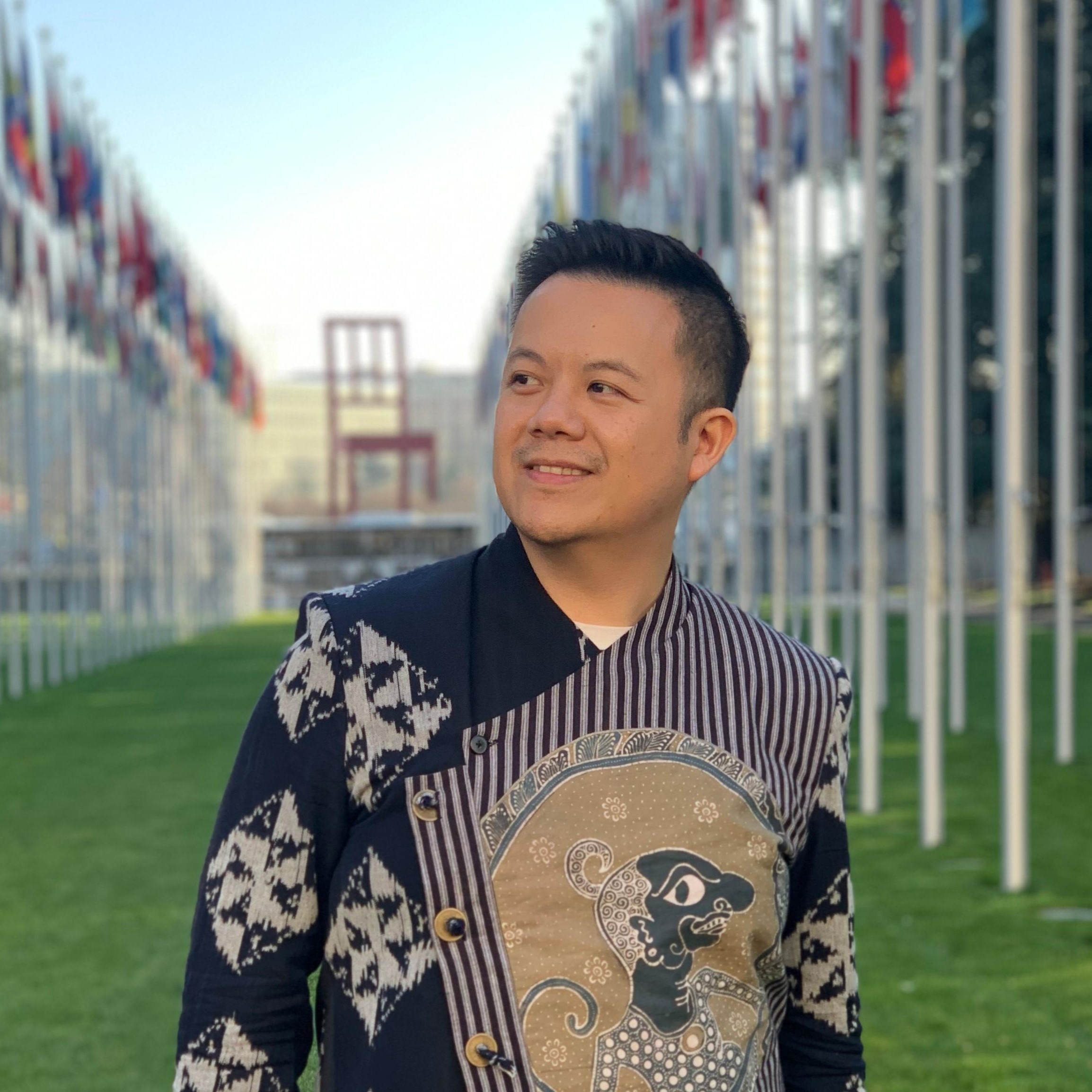
Dr Joannes E TANDJUNG
Director for Strengthening Partnership on Infrastructure Research and Innovation, National Research and Innovation Agency of the Republic of Indonesia (BRIN)
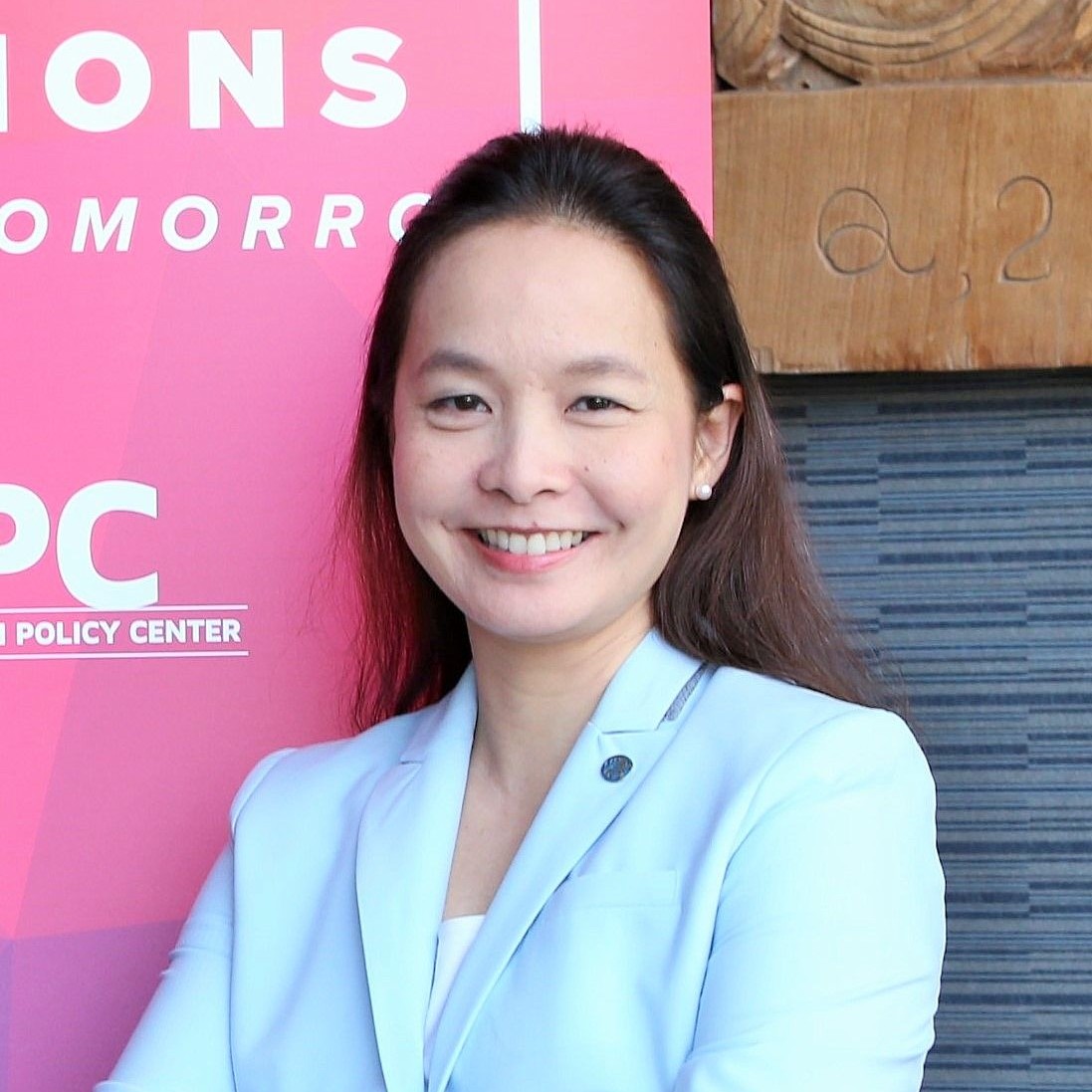
Dr Orakanoke PHANRAKSA
Senior Consultant, The National Science and Technology Development Agency
Dr Orakanoke Phanraksa is a policy specialist in the field of intellectual property laws at the National Science and Technology Development Agency (NSTDA), Thailand. Currently, she is serving the Technology Licensing Office as a senior consultant. She has been playing a key role to form a policy framework to promote and strengthen technology licensing offices and IP professionals in the academic and research institutions in Thailand. In 2019, she was the first to be awarded the Global IP Champion Award from the Global Innovation Policy Center, US Chamber of Commerce. This award was given to five individuals in the field of intellectual property who are leading efforts to bring about positive change in their communities and around the world. Dr. Phanraksa is passionate in promoting early to mid-career researchers. She was one of the past Co-Chairs of the Global Young Academy (2015/2016). She is co-founder and Co-Chair of the ASEAN Young Scientists Network. In 2022, she was selected as an International Science Council Fellow. She experiences in policy development by serving the Minister of Higher Education, Science, Research, and Innovation (MHESI) Thailand from 2020-2022.
Dr Peter McGrath obtained his BSc (honours) in Agricultural Zoology from the University of Glasgow, UK, and PhD from the University of Leeds, UK, in 1989. His 10-year research career included post-doc positions in the UK and USA. In 1997, he established his own business as a freelance journalist focusing on agricultural, environmental and scientific issues. He joined The World Academy of Sciences (TWAS) in 2003, initially as a writer/editor then overseeing TWAS’s core programmes aimed at developing scientific capacity in low- and middle-income countries, including South-South fellowships, other exchange schemes, research grants and various prizes. In 2013, he switched to become Coordinator of the InterAcademy Partnership (IAP), the global network of academies of science, medicine and engineering, overseeing the Trieste office of the IAP secretariat. He also retained his position as coordinator of the TWAS science diplomacy programme. He formally retired from these positions in March 2026.

Dr Peter MCGRATH
Former Coordinator of the TWAS Science Diplomacy programme
WEBINAR 2 | WEDNESDAY, 22 APRIL 2026 | Diplomacy Impacting Science
16:00-17:30 SGT | 10:00-11:30 CEST | Zoom
Through this session, participants got the opportunity to develop a better understanding of the concept of Diplomacy Impacting Science: how international politics and diplomatic decisions shape scientific priorities and cooperation. We looked at the role of foreign policy in facilitating research cooperation and shaping research priorities and funding for science programmes and how science diplomacy can be used in times of crisis.
Keynote Presenter and Panellist
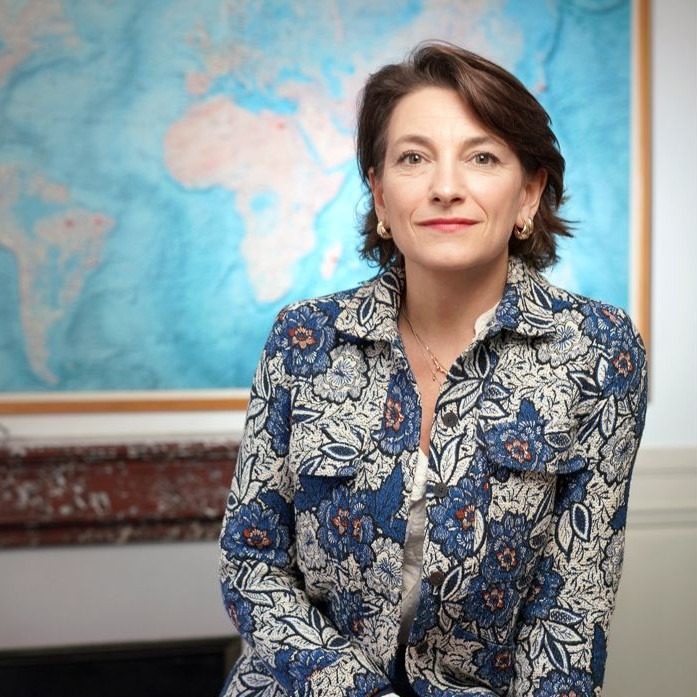
Prof Stephanie BALME
Professor and Director of the Center for International Studies (CERI), Sciences Po
Dr Stephanie Balme is the Director of the Center for International Studies (CERI Sciences Po-CNRS) since 2024. Previous notable roles include Johns Hopkins SAIS adjunct faculty, UCL Honorary Professor, International Council research associate, EU Commission Science Diplomacy steering committee member, former Dean of Sciences Po Undergraduate Studies (2018-2023) and Research Professor at Sciences Po. Her current research focus is on science diplomacy and on the rise of China’s scientific and tech power and on China-US-EU relations, where she also analyses the impacts of China’s science, China’s science diplomacy in international relations, thereby contributing to the development of the field of science diplomacy, the role of science in international relations, and the global governance of science. Beyond this, she is a former visiting Prof at Columbia university (NYC) and Tsinghua U (Beijing). She stands committed to teaching and research, along with building bridges between different worlds and engaging in Track 2 diplomacy on the G3 (EU-US-China relations).
Panellists
Prof Anantha Duraiappah is the inaugural director of UNESCO MGIEP in New Delhi, India—UNESCO’s first category one institute in the Asia-Pacific region. His vision was to build the competencies of empathy, compassion, critical inquiry and emotion regulation as foundations for learning to learn. He is a strong believer in AI for good and believes that the personalization of learning to build a learner’s potentiality is a human right. He is a fellow of The World Academy of Sciences as well as a Fellow of the World Academy of Arts and Sciences. Professor Duraiappah, received his PhD in economics from the University of Texas in Austin, USA. He has authored numerous books and journal articles. He was the Co-Chair of the Biodiversity Synthesis Group of the Kofi Anna commissioned Millennium Ecosystem Assessment and founding director of the Inclusive Wealth Report released at the Rio+20 Summit in 2012. Duraiappah is presently focusing on researching and exploring how “Firing Gandhi Neurons” can be integrated into the educational curricular of the formal, informal and non-formal education systems around the globe.
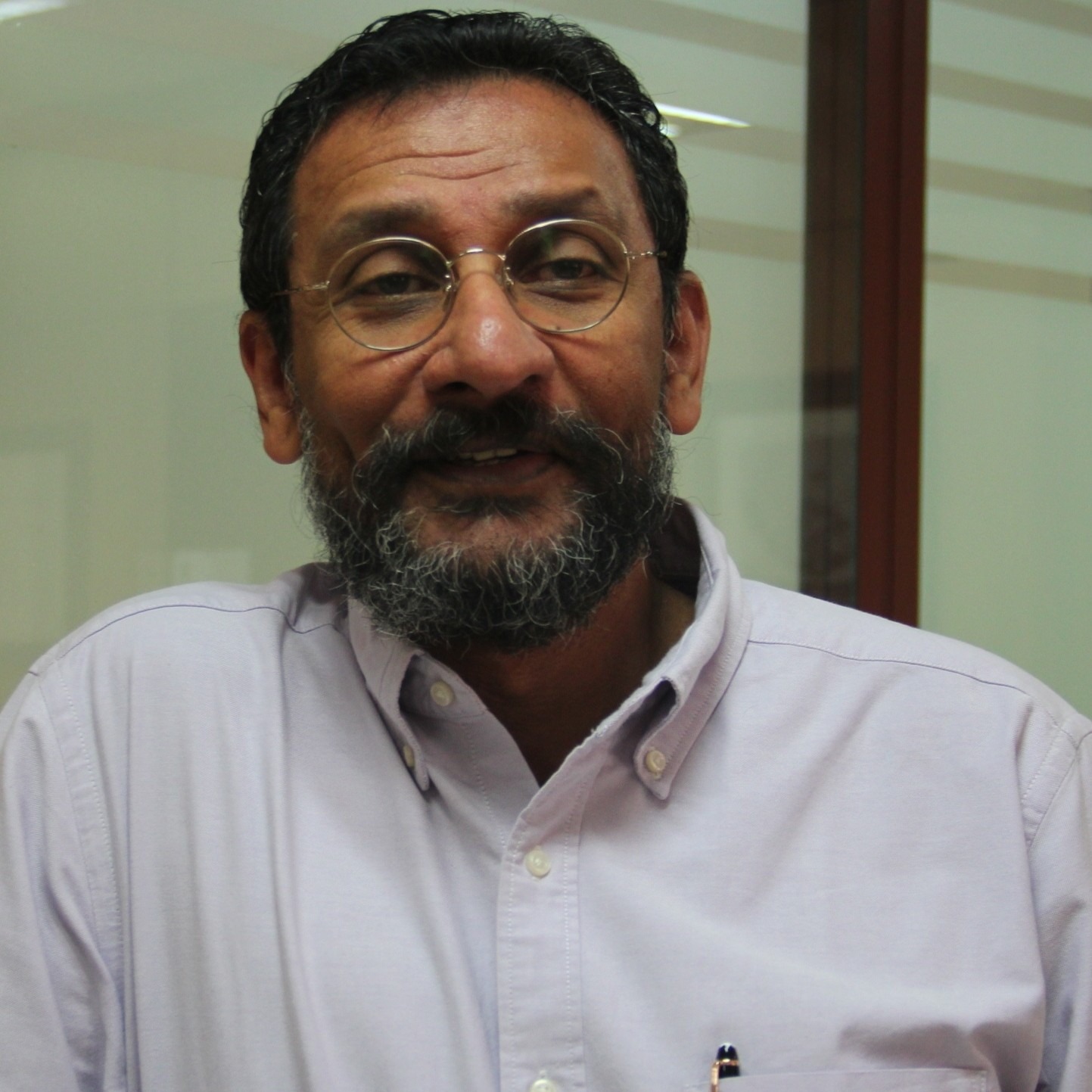
Prof Anantha Kumar DURAIAPPAH
Adjunct Professor, UCSI University

Ms Karen Ann HIPOL
Science Diplomacy Advisor, Foreign Commonwealth and Development Office - British Embassy Manila
Ms Karen Hipol is a science and innovation diplomacy leader with 15+ years’ experience designing, delivering, and influencing national and international programmes at the intersection of technology policy, research partnerships, innovation systems, and socio‑economic development. She is currently the Science and Technology Diplomacy Adviser at the British Embassy in Manila, leading on a range of initiatives that strengthen UK–Philippines partnerships in science and technology, foster research collaboration, and advance technology policy development. Drawing on experience across government, academia, and industry, Karen has likewise spearheaded innovation and trade programmes for both the UK Department for Business and Trade and the Philippine Department of Trade and Industry. A Chevening Scholar, she earned an MPhil in Bioscience Enterprise from the University of Cambridge. She holds a Bachelor’s degree in Molecular Biology and Biotechnology and a Master’s in Technology Management from the University of the Philippines.
WEBINAR 3 | WEDNESDAY, 29 APRIL 2026 | Science Diplomacy Entry Points
16:00-17:30 SGT | 10:00-11:30 CEST | Zoom
In this session, we invited diplomats, scientists, and students themselves as speakers to share their experience in engaging with and working in the field of science and technology diplomacy. The session provided participants with a better understanding of the science diplomacy landscape and their stakeholders, how to approach a career in the field through fellowships and internships, and explore what skills and competencies are required for a career in science diplomacy and how to build them.
Panellists
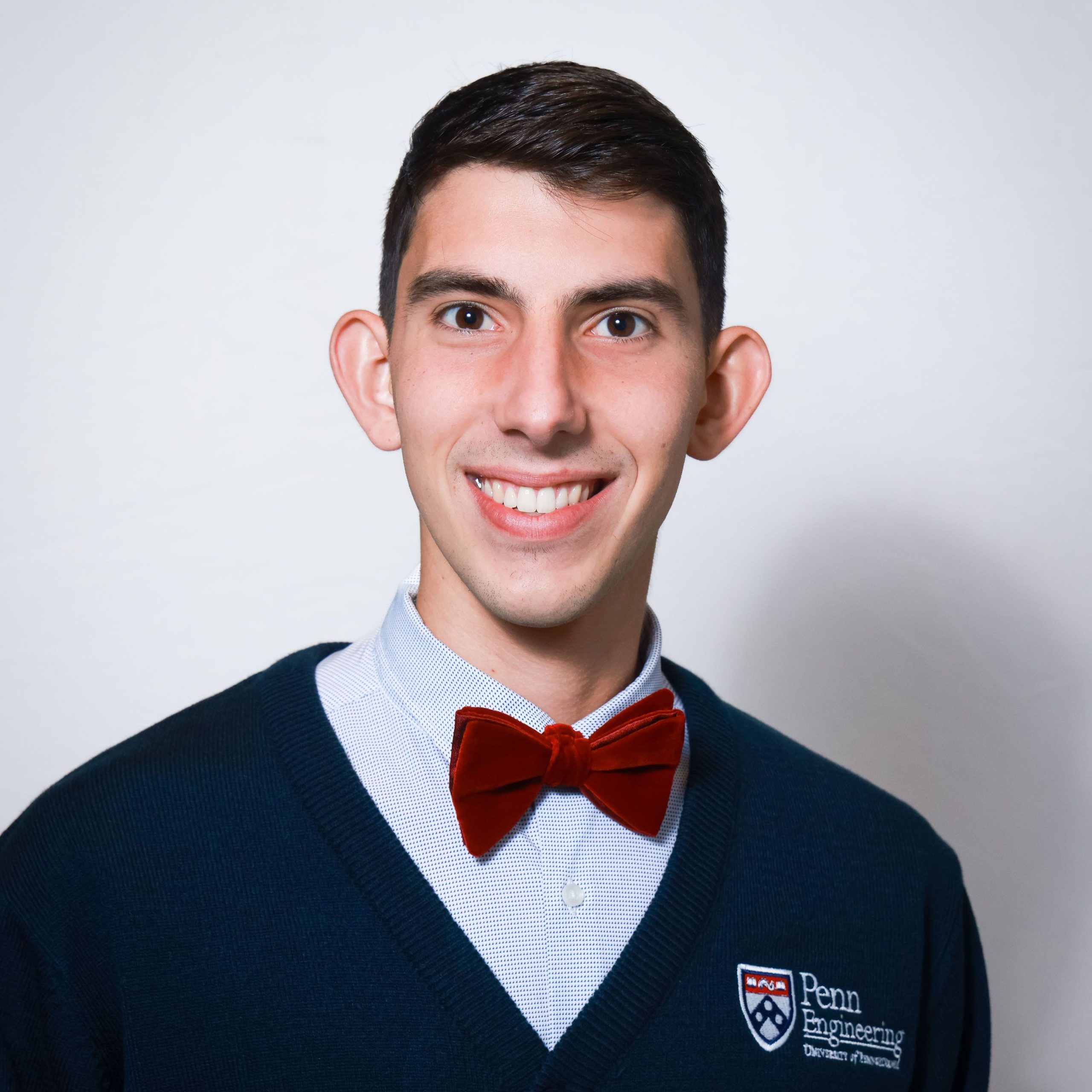
Mr Dimitris BOUFIDIS
PhD Candidate, University of Pennsylvania and Science Diplomacy Chair, Penn Science Policy and Diplomacy Group (PSPDG)
Mr Dimitris Boufidis is a Ph.D. Candidate in Bioengineering at the University of Pennsylvania, where he works at the intersection of neural tissue engineering and bioelectronics, developing neurotechnologies to restore brain function after disease. Beyond the lab, he serves as Science Diplomacy Chair of the Penn Science Policy and Diplomacy Group (PSPDG), where he leads initiatives connecting STEM research with international policy, diplomacy, and global cooperation. He has developed science diplomacy programming, workshops, and training for graduate students, while also building flagship experiential learning opportunities and partnerships with embassies, diplomats, and science policy leaders. Originally from Greece, Dimitris graduated top of his class from the University of Sheffield, where he received the 2022 Chancellor’s Medal. A TEDx speaker and committed STEM advocate, his outreach work has been featured by The Guardian and BBC News.
Prof Renaud B. Jolivet is Professor of Neural Engineering & Computation at the Maastricht Centre for Systems Biology and Bioinformatics at Maastricht University. His work focusses on cellular neuroscience and on neurotechnologies to interface with brain tissue. Prior to working in the Netherlands, Renaud has worked in Switzerland, Japan and the UK. He has previously served on the boards of the Initiative for Science in Europe, Marie Curie Alumni Association and Organization for Computational Neuroscience, and was a 2023 Neurotech Fellow of the Foresight Institute and the inaugural Chair of the Science & Technology Committee of EBRAINS, the European research infrastructure for neurosciences. He currently is a stakeholder representative for individual researchers and innovators at the European Commission’s ERA Forum. He is a recipient of the Marie Curie Alumni Association Career Award (2022), and of the André Mischke Young Academy of Europe Prize for Science and Policy 2023, and a Fellow of the International Science Council and GCSP.
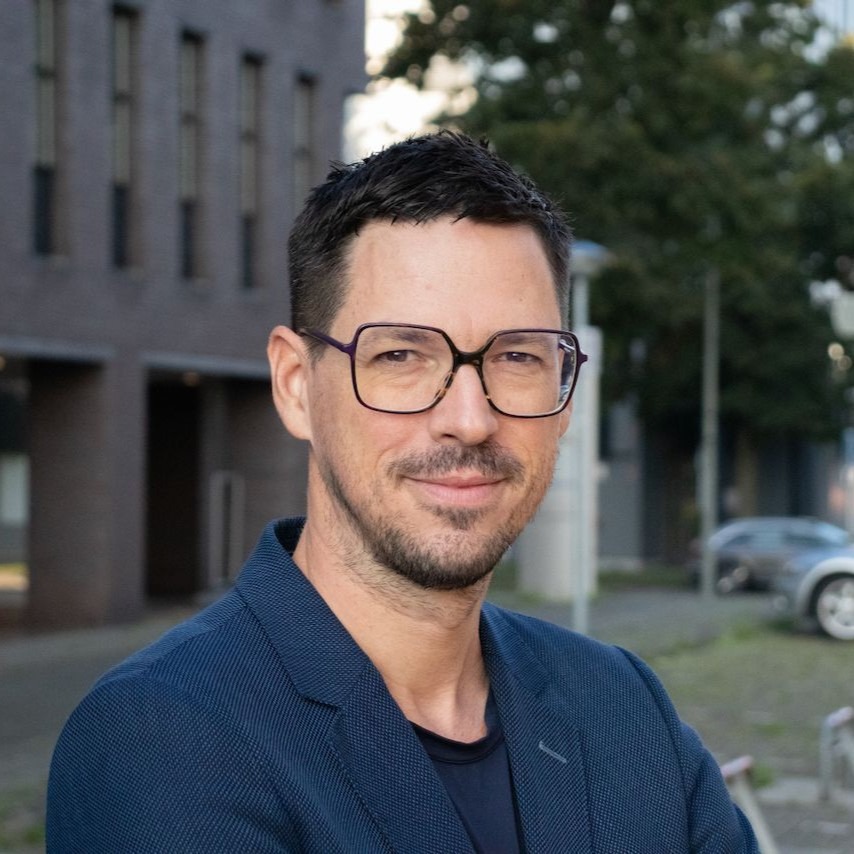
Prof Renaud B. JOLIVET
Full Professor, Chair of Neural Engineering & Computation, Maastricht University

Ms Kotchaphan BOWONCHAIYARIT
Policy Developer, Office of National Higher Education, Science, Research and Innovation Policy Council (NXPO)
Ms Kotchaphan Bowonchaiyarit is a Policy Developer at the Office of National Higher Education, Science, Research and Innovation Policy Council (NXPO), Thailand. Her work sits at the intersection of science, technology and innovation policy, data governance, and international policy engagement. She has contributed to regional and international initiatives through research, stakeholder dialogue, and cross-border collaboration, and previously served as a Country Informant and Co-author for ASEF’s Asia-Europe Science & Technology Diplomacy Initiatives. She is also Thailand’s national delegate to the OECD Working Party of National Experts on Science and Technology Indicators (NESTI). Kotchaphan was a panellist at the World Science Forum 2024 on the future of Asia-Europe science diplomacy, and holds an MSc in Science and Technology Policy from the University of Sussex.
Ms Hannah Schoch was the Secretary of the European Council of Doctoral Candidates and Junior Researchers (Eurodoc) from 2022-2025. She still contributes to Eurodoc’s policy and advocacy work on a wide array of topics including academic freedom, the EHEA fundamental values and the democratic mission of research and higher education. Together with Pil Maria Saugmann, Hannah Schoch has co-designed and developed the Eurodoc ambassador programme “Values and Democracy in European Higher Education and Research,” now running in its second iteration. She has furthermore worked for and is now on the board of Reatch, a non-profit association in Switzerland facilitating conversations between science, society, and politics.

Ms Hannah SCHOCH
Former secretary and board member (2022-2025), EURODOC
WEBINAR 4 | WEDNESDAY, 6 MAY 2026 | Careers in Science Diplomacy
16:00-17:30 SGT | 10:00-11:30 CEST | Zoom
In this final webinar session, we invited diplomats and scientists to share their experience with engaging with and working in the field of science and technology diplomacy. The webinar explored how to engage in the international science diplomacy forum and see what different career paths for science diplomats may look like in different sectors.
Panellists

Mr Martin RAUCHBAUER
Head of Unit, Austrian Ministry of Foreign Affairs (BMEIA); Founder Tech Diplomacy Network
Mr Martin Rauchbauer is a senior diplomat in the Austrian Foreign Ministry where he serves as head of unit and the co-founder of the Tech Diplomacy Network in Silicon Valley, a platform connecting governments, civil society, and global tech companies to address planetary challenges through frontier technologies. As Austria’s first Tech Ambassador in Silicon Valley, he helped shape the emerging field of tech diplomacy, driving transatlantic digital policy dialogues, advancing digital human rights, and establishing digital humanism as a strategic pillar of Austrian foreign policy. With a passion for bridging diplomacy, arts, technology, and the environment, he has published and lectured internationally on these topics. Until recently, he served as Executive Director of the Djerassi Resident Artists Program, one of the world’s leading artist residencies, fostering creativity by providing artists with time, space, and inspiration in a setting of extraordinary natural beauty. Martin brings over 20 years of experience in international relations, cultural diplomacy, and technology policy and hold a Master of Arts from Johns Hopkins University.
Dr Pun‑Arj Chairatana is a Thai innovation architect and a pioneer of innovation diplomacy in the Thai context, shaping how the nation engages with global science, technology, and creative ecosystems. His work bridges policy design, early‑stage capital, and cross‑border R&D collaboration, positioning Thailand as an active contributor in international technology dialogues. Through years of practice, he helped define Thailand’s innovation diplomacy playbook—linking researchers, startups, and ministries with global partners to accelerate knowledge exchange and emerging‑tech governance. As a driving force behind the creative‑and‑coloured‑economy agenda, he reframes cultural identity into strategic economic assets, from Peach Economy soft‑power models to LGBTQ‑driven Pink Tech. His frameworks connect government, investors, and creators, turning symbolism, technology, and global cooperation into engines of inclusive national growth.
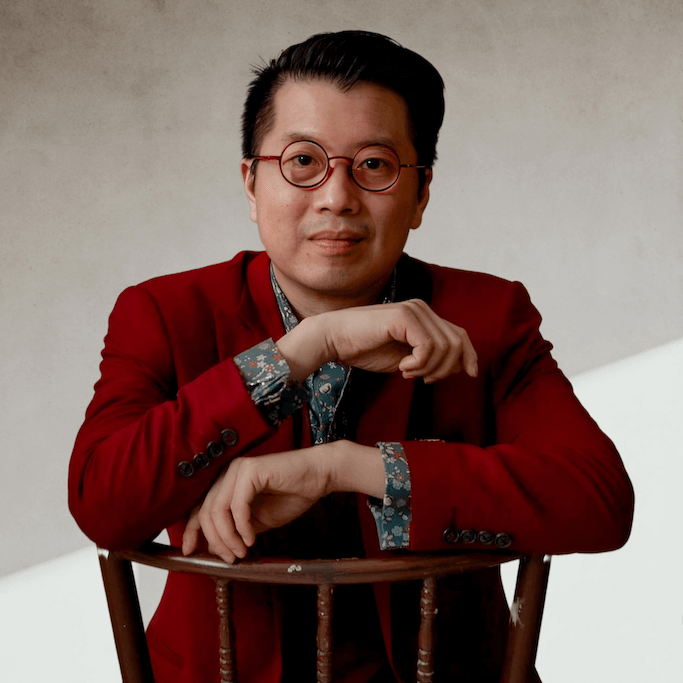
Dr Pun-Arj CHAIRATANA
Chairman of the Board, Canvas Ventures International

Dr Lilis MULYANI
Researcher, National Research and Innovation Agency of Indonesia (BRIN) and President (Chairperson) of The Indonesian Young Academy of Sciences (ALMI)
Dr Lilis Mulyani is a Researcher at the National Research and Innovation Agency of Indonesia (BRIN) and Chair of the Indonesian Young Academy of Sciences (ALMI, 2024-2026). She obtained her Doctor of Philosophy from the Melbourne Law School in 2021. Her research focuses on land law and agrarian studies, human rights, group rights, and legal methodology. Her PhD thesis was written on the legal personality of groups and land rights, with a particular interest in customary communities. Among her publications are Traditional Customary Communities in Indonesia: Law, Identity, and Recognition (Routledge, 2022) and Assembling Nusantara: Mimicry, Friction, and Resonance in the Creation of the New Capital Development (Springer Nature, 2023). She currently pursues interests and activities in Science, Society, and Policy to support her role at ALMI and her new role as an Advisory Board Member of the International Science Council’s Regional Focal Point for Asia and the Pacific.
Ms Szilvia Szántó is a scientific and technological diplomat and international innovation expert. Having a strong environmental background – engineer degree completed with an advanced master in EU environmental policy and management, and experienced in science diplomacy, Szilvia worked also in public administration and in private consultancy as well, both in Hungary and in France. Her expertise includes scientific intelligence, international and national policy making, strategical planning and evaluation. Thematic expertise covers sustainable consumption and production, climate change, renewable energy and energy efficiency, science-technology-innovation policy. She worked as international expert for the dynamization of the international visibility of Hungarian innovation ecosystem, and advisor for Horizon Europe participation of Hungarian stakeholders, mostly of climate and water related topics, before returning to Paris Embassy of Hungary for a second nomination to science and technology diplomat.

Ms Szilvia SZÁNTÓ
Science & Technology Diplomat, Embassy of Hungary in Paris
WHO JOINED?
We invited University students (Undergraduate, postgraduate and other tertiary studies) from faculties of science, politics, international relations, and related fields of study, and who are interested in science, technology, innovation, and diplomacy and wish to learn more about the topic to join us!
The webinar series aims to provide an introduction to Science and Technology Diplomacy and its role in international relations. No prior knowledge of the topic is required.
Contact & More Information
For questions or more details, contact us at scitech@asef.org.
Start your Science and Technology Diplomacy journey with ASEF and join us!
This webinar series is part of the Asia-Europe Science and Technology Diplomacy Initiative for Young Professionals.